




The Shared Quest for a Quiet Mind
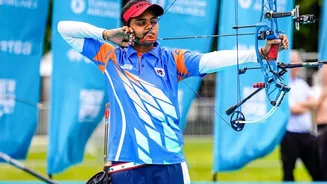
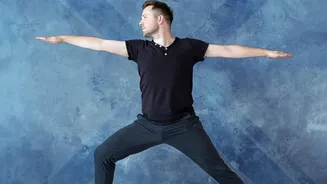
At first glance, the flowing movements of a yoga class and the static precision of an archer at full draw seem worlds apart. One practice is an internal exploration of the body, while the other is focused on a singular external goal. Yet, both disciplines
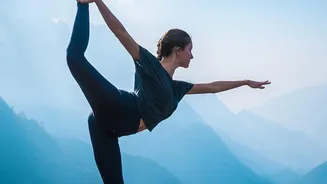
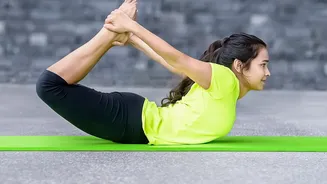
are fundamentally exercises in attention control. Success in either requires silencing the mental chatter and steadying the body against distraction. Both ancient practices discovered the same key to achieving this state of heightened awareness: conscious, deliberate control of the breath. How they apply this control, however, showcases two distinct philosophies on how to master the mind.
Yoga’s Breath: An Internal, Rhythmic Anchor
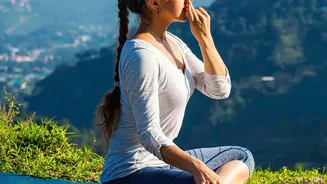
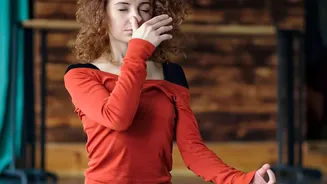
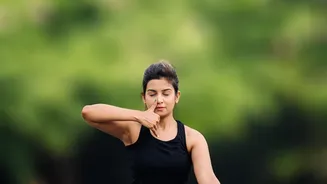
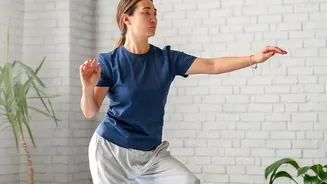
In yoga, the breath, or 'prana', is considered the life force that connects the body and mind. The entire practice is built around this connection. Breathing techniques, known collectively as pranayama, are designed to create a continuous, rhythmic flow that anchors the practitioner in the present moment. Techniques like Ujjayi breath, where a slight constriction in the throat creates an audible, ocean-like sound, serve as a constant feedback loop. If the breath is smooth and even, the mind is likely calm. If it becomes ragged, it signals that focus has been lost. The breath isn't a preparatory step for an action; it is the action itself—a form of moving meditation that encourages awareness to turn inward, away from external distractions. The goal is to unify the physical and mental, creating a state of flowing concentration.
Archery’s Breath: A Tool for External Stillness
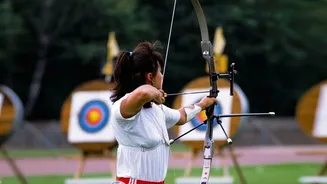
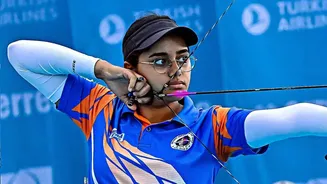
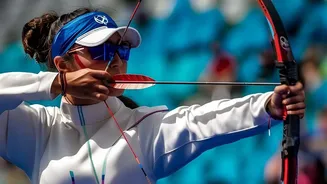
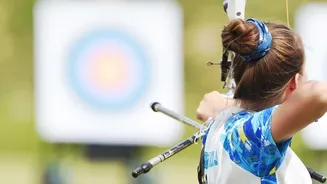
For an archer, breath control is less about internal exploration and more about creating a moment of absolute physical stability for a single, precise action. Any movement during the release of an arrow, even the subtle rise and fall of the chest during a normal breath, can send the shot wide of the mark. An archer’s breathing is therefore built into the 'shot cycle'. They will typically inhale while raising the bow, then exhale about half their air as they settle into their anchor point. This brings them to a 'natural respiratory pause'—a brief window of 2-5 seconds where the body is at its most still before it needs to inhale again. It is within this quiet pause that the shot is executed. Unlike the continuous flow of yoga, the archer’s breath is a punctuated event designed to eliminate movement and sharpen focus on an external target.
Flow vs. Pause: The Core Difference
The fundamental difference lies in purpose and direction. Yoga uses the breath as a constant, flowing river to guide awareness inward. It is dynamic and enduring throughout the practice. The breath itself is the object of focus, creating a meditative state that persists through movement. Archery, by contrast, uses the breath as a functional tool to create a temporary, static platform. The breath is manipulated to stop all movement, creating a perfect moment of stillness to achieve an external goal. The focus is not on the breath itself, but on the target during the pause the breath creates. One is a continuous journey of internal awareness, while the other is a calculated stop to ensure external precision. The philosophy of each discipline dictates its use of breath: yoga seeks internal union, while archery seeks external mastery.