


The Tourism Paradox
In the early 2000s, Kerala faced a classic dilemma. Tourism was booming, becoming a cornerstone of the state's economy. Yet, this rapid growth created friction. In many hotspots, local communities felt alienated as they witnessed increased pressure on natural
resources like water, while the economic benefits flowed primarily to large hotel chains and operators. This disconnect between the industry and the people whose homes were the destination sparked a need for a new way of thinking—a model that wouldn't sacrifice the host for the guest.
A People-First Philosophy
In 2007, the government of Kerala introduced a revolutionary solution: the Responsible Tourism (RT) Mission. The core idea was to make tourism more equitable and sustainable by focusing on a "triple bottom line": economic benefits for locals, social and cultural preservation, and environmental responsibility. Rather than being passive bystanders, the mission aimed to make local communities active partners. This involved a participatory framework, bringing together everyone from elected officials and industry leaders to community representatives and environmentalists to shape the future of tourism.
The Kumarakom Blueprint
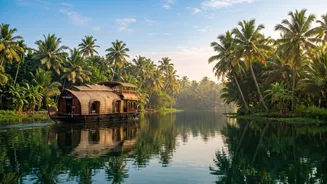
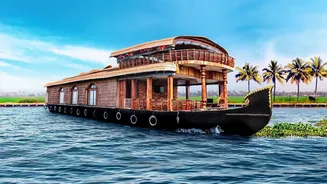
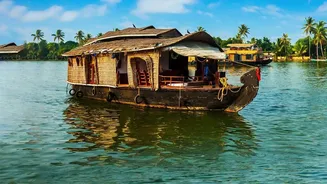
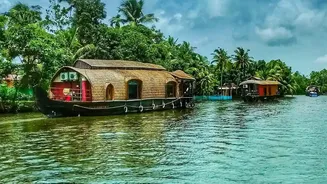
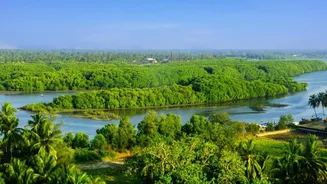
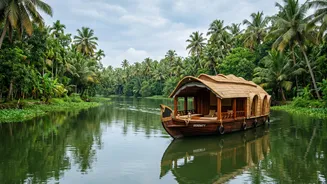
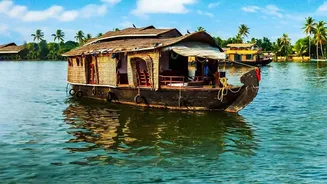
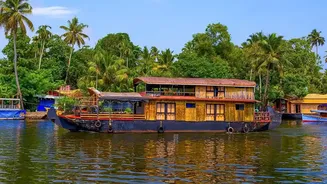
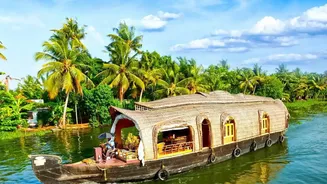
The backwater village of Kumarakom became the pilot for this ambitious project in 2008. The results were transformative. The RT Mission connected hotels and resorts with local farmers for fresh produce, fishermen for their daily catch, and artisans for authentic souvenirs. This simple but powerful supply chain linkage ensured that tourism revenue stayed within the village. It empowered locals, especially women-led self-help groups, to start their own small enterprises, from offering home-cooked meals to guiding village life experience tours. For its success, the Kumarakom initiative won a prestigious UNWTO Ulysses Award, cementing its status as a global benchmark.
An Enriching Experience for All
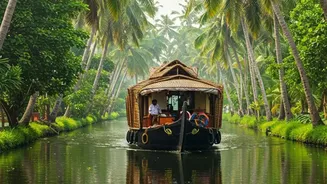
The model's success is rooted in its ability to create a more authentic and meaningful experience for travellers. Instead of generic tours, visitors get to engage directly with the culture—learning to weave coconut leaves, navigating canals with local boatmen, or understanding the nuances of the region's agriculture. This approach fosters mutual respect and provides a deeper connection to the place. The Responsible Tourism Mission has since expanded beyond Kumarakom to other destinations across Kerala, promoting everything from women-friendly tourism initiatives to programmes that preserve local art forms and cuisine.
The Challenges of Today and Tomorrow
Despite its many successes, Kerala's model is not without ongoing challenges. Popular destinations still grapple with the threat of overtourism, pollution, and the risk of cultural commodification. Climate change, with its unpredictable monsoons and rising sea levels, poses a significant threat to the state's delicate ecosystems and seasonal tourism flows. The continuing relevance of Kerala's story lies in its constant adaptation. The state is now focused on developing new destinations, upgrading infrastructure, and leveraging technology to manage tourism flows, ensuring the model remains resilient for the future.