

A Legacy of Leisurely Feasts
To understand Lucknow's food, one must first understand its history. The city's famed Awadhi cuisine is a direct inheritance from the Nawabs who ruled the region from the 18th century. These patrons of art and culture fostered a culinary philosophy that
valued refinement and subtlety over sheer force of spice. Master chefs, known as khansamas, were encouraged to innovate, leading to the development of dishes where flavour was built through patience, not just heat. This wasn't just cooking; it was an art form where texture was as prized as taste, resulting in the tender, melt-in-your-mouth quality that defines Lucknow's most iconic dishes.
The Art of Slow Fire
Central to this tradition is the technique of 'dum pukht', which literally translates to 'breathe and cook'. This method involves placing meat, rice, and spices in a heavy-bottomed pot, sealing the lid tightly with dough, and cooking it over a very low flame for hours. This process traps steam, allowing the ingredients to cook in their own juices and absorb the complex aromatics of spices like saffron, cardamom, and kewra (screwpine essence). The result is an incredible depth of flavour and meats so tender they fall off the bone. This philosophy of slowness is not a gimmick; it is the very soul of Awadhi cooking, a deliberate choice to prioritise perfection over speed.
Legends of the Open Kitchen
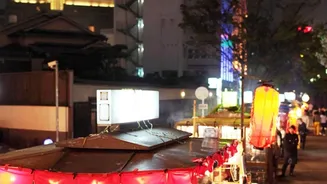
Nowhere is this heritage more alive than on the streets of old Lucknow, in areas like Chowk and Aminabad. Here, you'll find legends like the Galouti Kebab, a dish as famous for its story as its taste. Reportedly created for a toothless Nawab who missed his kebabs, these patties are made of finely minced meat tenderised with raw papaya and blended with a secret combination of over a hundred spices. Pan-fried in ghee, they are so soft they dissolve on the tongue. Then there is Tunday Kababi, an establishment started in 1905 by a one-armed chef, Haji Murad Ali, whose unique galouti recipe won a royal contest and has since become a global icon.
An All-Day Affair
While kebabs might be the stars, the supporting cast is just as impressive. Mornings in Lucknow often begin with Nihari, a rich, velvety stew of meat and marrow, slow-cooked overnight. Paired with fluffy, layered Kulcha bread fresh from an earthen tandoor, it's a breakfast that has fortified generations. Equally important are the breads that accompany every meal. Sheermal, a mildly sweet, saffron-infused flatbread enriched with milk and ghee, is a perfect counterpoint to the savoury spice of the kebabs and curries, showcasing how even the simplest accompaniments were given royal treatment.
A Tradition Savoured Slowly
In a world dominated by fast food and hurried meals, the street kitchens of Lucknow stand as a delicious rebellion. They are living museums, where recipes passed down through generations are prepared with the same care and unhurried rhythm as they were centuries ago. The sizzle of kebabs on a tawa, the steam rising from a degh of biryani, and the patient hand of a baker shaping sheermal are more than just food preparation. They are a continuation of a culture that believes the best flavours cannot be rushed. These kitchens don't just serve food; they serve history, tradition, and the timeless lesson that some things are worth the wait.