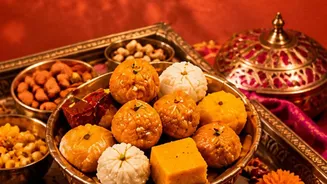








The festive lights have dimmed, but the feeling of post-Diwali indulgence lingers. Instead of resorting to punishing workouts and crash diets, a cardiologist's advice offers a gentler, more sustainable path back to wellness.
Why Gentle Recovery Wins
After a period of rich foods
and disrupted routines, the urge to go to extremes is common. However, cardiologists and health experts often advise against this approach. Drastic diets and sudden, intense exercise can shock your system, leading to burnout rather than balance. The goal isn't to punish your body for celebrating, but to gently guide it back to its natural rhythm. A sustainable reset focuses on nourishing the body, not depriving it. This means avoiding extreme cleanses or detoxes, which are often unnecessary as your liver and kidneys are already designed to process waste. Instead, the focus shifts to consistent, mindful choices that support long-term heart health and overall well-being.
The Power of Everyday Movement
The idea that exercise must be intense to be effective is a common misconception. Cardiologists increasingly emphasize the importance of 'everyday movement', also known as Non-Exercise Activity Thermogenesis (NEAT). This includes all the physical activity you do that isn't formal exercise: taking the stairs, walking while on a phone call, doing household chores, gardening, or simply standing more often. While a single gym session is beneficial, it cannot fully offset the negative effects of being sedentary for the other 23 hours of the day. Consistent, low-intensity movement throughout the day improves circulation, helps regulate blood sugar, supports joint health, and reduces the risks associated with prolonged sitting. A gentle 10-15 minute walk after meals, for example, is a simple but effective way to aid digestion and support your metabolism without straining your system.
A Cardiologist-Approved Plate
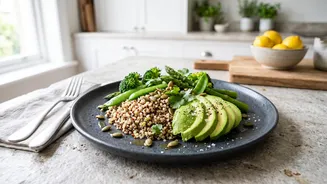
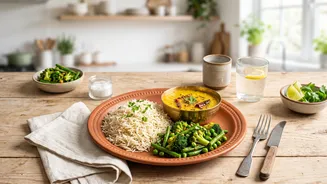
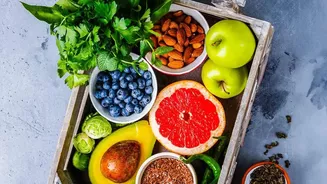
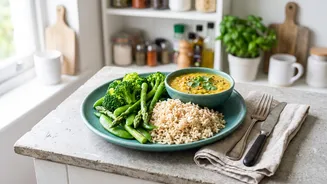
Resetting your diet post-Diwali is less about restriction and more about reintroduction. The first step is hydration. Drinking plenty of water helps flush out toxins and reduces bloating. From there, focus on reintroducing nutrient-dense, whole foods. Build your meals around fresh fruits and vegetables, which are rich in vitamins, minerals, and antioxidants. Incorporate lean proteins and high-fibre foods like lentils, chickpeas, and whole grains. These provide sustained energy and keep you feeling full, which helps manage cravings. It's equally important to limit processed foods, refined sugars, and unhealthy fats found in leftover festive snacks. Opt for home-cooked meals where you can control the amount of salt and oil used. Including probiotic-rich foods like yogurt can also help restore gut health after festive eating.
Prioritise Rest and Recovery
The festive season often involves late nights, which can disrupt sleep patterns and increase stress hormones. Adequate sleep is not a luxury; it's a critical component of recovery and heart health. Aim for 7–9 hours of quality sleep per night to allow your body to repair and regenerate. Poor sleep can negatively affect blood pressure, metabolism, and cardiovascular health. Listening to your body is crucial. If you feel tired, don't push yourself into a strenuous workout. A gentle walk, stretching, or yoga can be far more beneficial. This period of recovery is about creating a healthy balance, not setting records at the gym.
Building a Sustainable Mindset
The post-'Diwali reset is an opportunity to build habits that last a lifetime. The core principle is consistency over intensity. Small,' daily movements accumulate to create significant health benefits over time. Similarly,' a balanced diet is not a temporary fix but a permanent lifestyle choice.' Rather than viewing foods as 'good' or 'bad', practice mindful eating and portion control.' Enjoy festive treats in moderation during celebrations and return to a nourishing routine afterward without guilt.' This balanced approach prevents the cycle of overindulgence followed by extreme restriction,' fostering a healthier relationship with food and exercise that supports your heart for years to come.