


The World’s Two Most Vital Waterways
In the complex machinery of the global economy, few components are as critical, or as fragile, as maritime chokepoints. These narrow straits and canals are the superhighways for world trade. Two of the most important are the Strait of Hormuz and the Bab
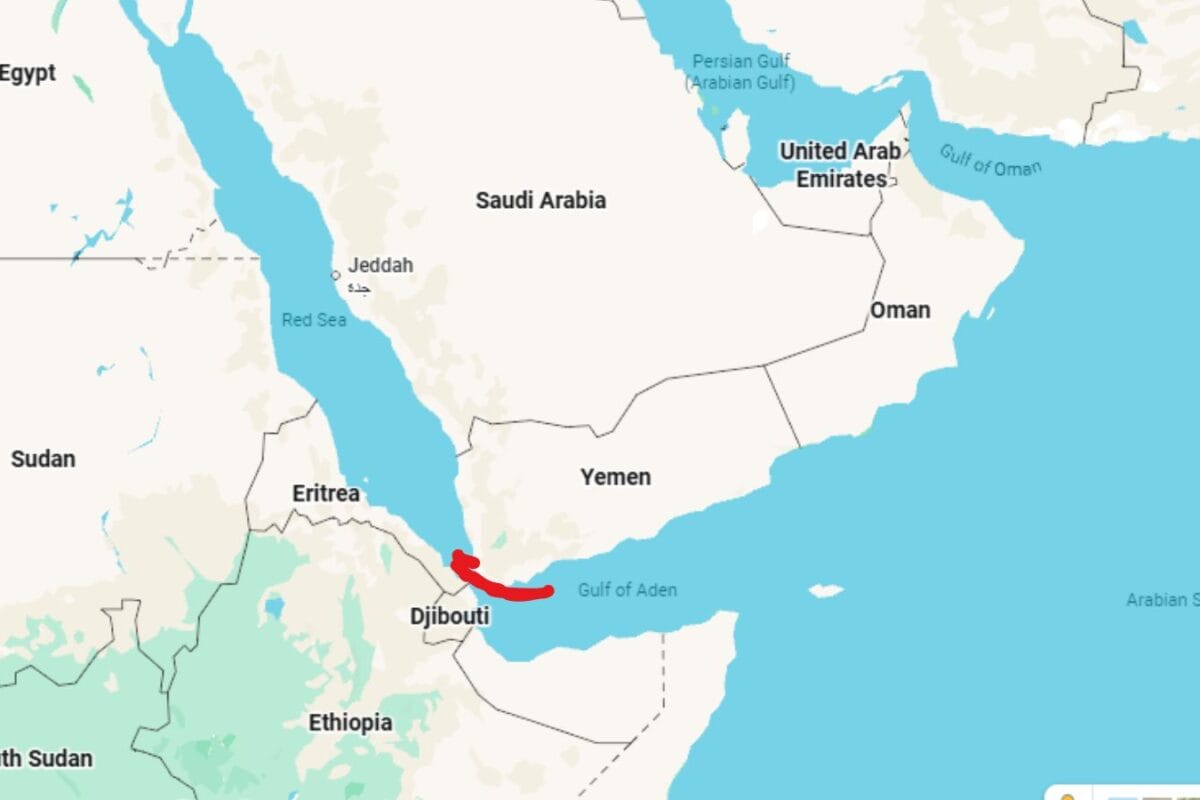
el-Mandeb Strait, the gateway to the Red Sea. Hormuz, linking the Persian Gulf to the open ocean, is the world's single most important passage for oil. The Red Sea route, which connects to the Suez Canal, is the primary corridor for container ships and goods moving between Asia and Europe. While a disruption in either waterway is enough to rattle markets and snarl supply chains, a simultaneous crisis affecting both presents a far more severe and complex challenge to global stability and economic security.
Hormuz: The Unavoidable Energy Chokepoint
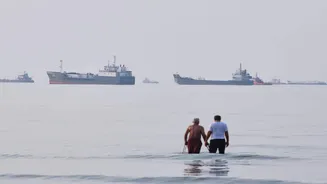
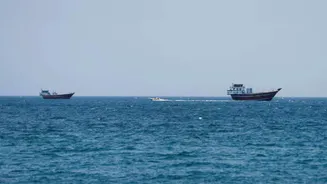
The Strait of Hormuz is, simply put, the jugular vein of the global energy market. Around one-fifth of the world's total oil consumption, and about a third of its liquefied natural gas (LNG), passes through this narrow channel between Oman and Iran. For a nation like India, which imports over 85% of its crude oil, this strait is an economic lifeline. A significant portion of India's oil and nearly all its contracted LNG from Qatar comes through Hormuz. Geopolitical tensions, particularly involving Iran, frequently make the strait a flashpoint. Any closure, or even the threat of one, can send oil prices soaring, impacting India’s import bill, stoking inflation, and putting pressure on the government's budget. A disruption here isn't a distant problem; it's a direct hit to India's energy security and economic stability.
Red Sea: The Global Goods Superhighway
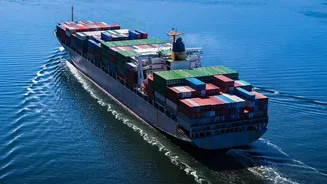
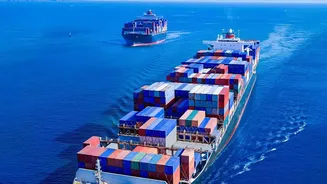
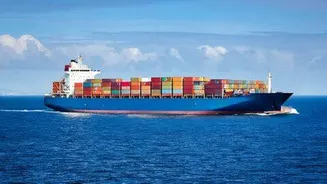
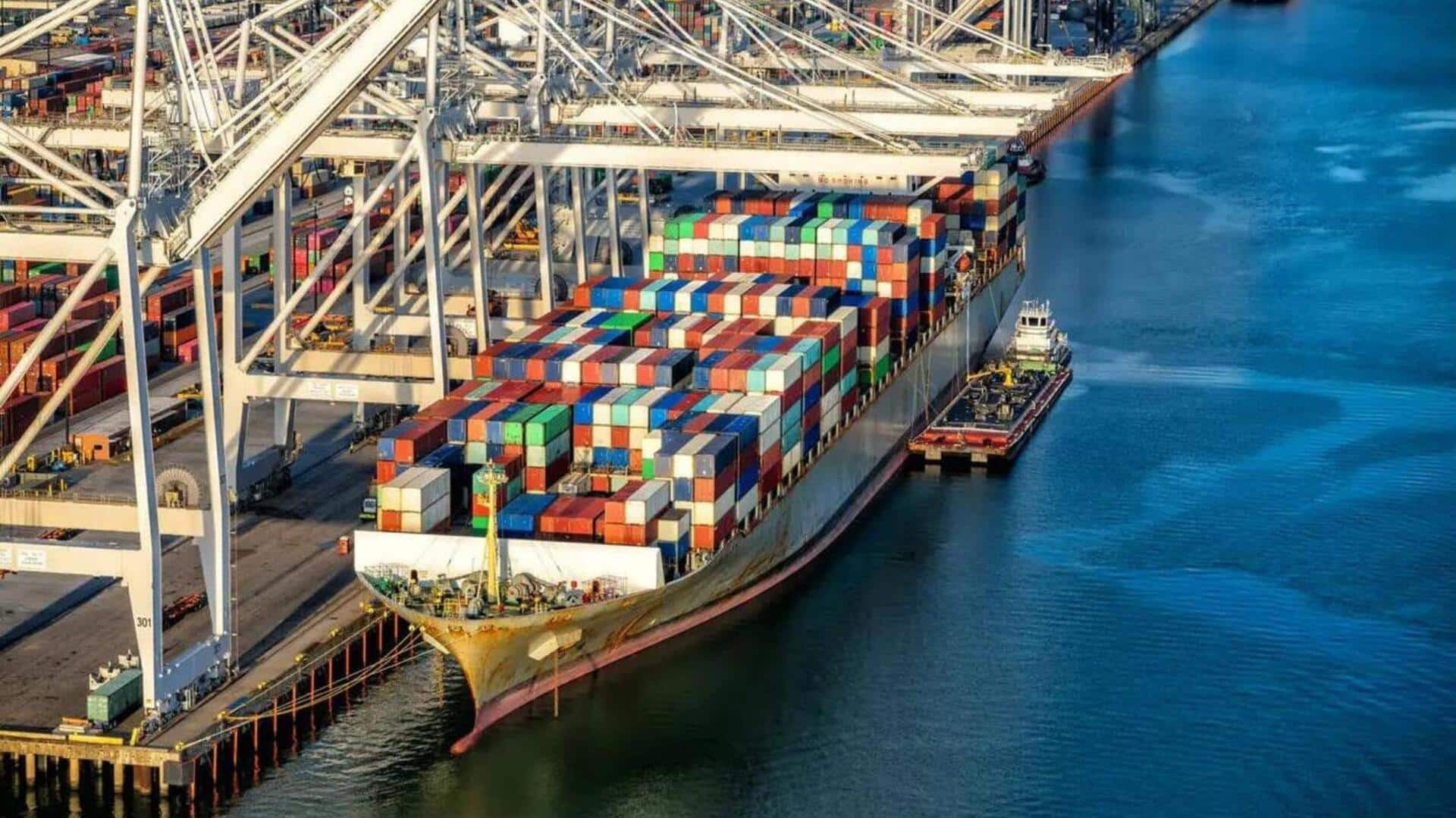
If Hormuz is about energy, the Red Sea, accessed via the Bab el-Mandeb Strait, is about everything else. This corridor is the shortest and most efficient route for an estimated 12% of global trade, including manufactured goods, electronics, textiles, and agricultural products moving between Asia and Europe. Recent attacks on commercial vessels in the region have already demonstrated its vulnerability. When ships are forced to avoid the Red Sea, they must take the much longer and more expensive route around Africa’s Cape of Good Hope, adding weeks to transit times and sending shipping and insurance costs skyrocketing. For India, roughly half of its exports and 30% of its imports traverse this very route. A sustained closure would mean delayed shipments, higher costs for Indian businesses, and ultimately, higher prices for consumers.
The Compounded Catastrophe Scenario
A disruption to Hormuz alone is a major energy crisis. A disruption to the Red Sea alone is a severe supply chain crisis. A simultaneous disruption to both is a compounded catastrophe with few easy answers. The standard response to a blockage at one point is to reroute. But if both are compromised, where do ships go? For oil tankers exiting the Persian Gulf, a blocked Hormuz means they are trapped. For container ships, a closed Red Sea and a risky Hormuz region creates a logistical nightmare. Some Gulf nations like Saudi Arabia and the UAE have built pipelines to the Red Sea to bypass Hormuz, but this only shifts the risk from one chokepoint to another. If both are under threat, that bypass becomes a dead end. This dual-threat scenario would effectively sever the primary arteries connecting the industrial hubs of Asia with the markets of Europe and the energy fields of the Middle East, triggering a global logistics breakdown far worse than the sum of its parts.
India’s Double Vulnerability
For India, the prospect of a twin crisis in these waterways is uniquely alarming. The country is caught in a pincer movement. A Hormuz closure directly threatens the supply of crude oil and LNG, the lifeblood of its economy. Simultaneously, a Red Sea closure cripples its trade with Europe, its second-largest trading partner. The economic consequences would be immediate and severe. A report from CareEdge Ratings in July 2026 warned that a dual closure could push Brent crude prices as high as $135 per barrel. This would lead to a wider current account deficit, higher inflation, and a weaker rupee. Indian exporters of goods like textiles, basmati rice, and auto parts would face crippling delays and costs, while importers of essential components would see their supply chains break. While India has made efforts to diversify its oil sources, its geographical reality and trade patterns make it fundamentally exposed to the stability of these two maritime corridors.