



The Weight and Heat Connection
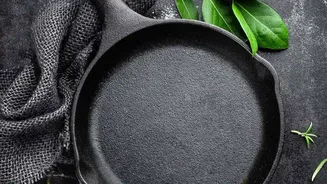
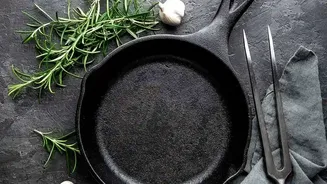
Cast iron's signature benefit is its ability to get incredibly hot and stay that way. This is a direct result of its mass. Heavier, thicker pans have a higher thermal mass, meaning they absorb a huge amount of heat and release it slowly and evenly. This is what
gives you a perfect, consistent sear on a steak. However, there's a trade-off. A pan that is too heavy becomes difficult to handle, especially when full of hot food. Lighter cast iron is easier to maneuver, but if it's too thin, it won't retain heat as well and can be prone to hot spots or even warping over time. The ideal pan is one that is heavy enough to hold heat effectively but not so heavy that you hesitate to pull it out of the cupboard. For many, that sweet spot is a pan that feels substantial but manageable.
Finding the Perfect Pan Size
Cast-iron skillets come in a range of sizes, typically measured by their diameter in inches. Choosing the right size is crucial to avoid frustration. A pan that's too small will force you to cook in batches, while one that's too large might not heat evenly on your burner and can be cumbersome. A 10-inch skillet is often considered the most versatile starting point, ideal for daily tasks for one or two people, from frying eggs to searing a couple of chicken breasts. For a family of three or four, a 12-inch skillet provides the necessary space to cook a full meal without overcrowding the pan. If you often cook for one, an 8-inch skillet might be the perfect fit for single servings and quick meals. Before buying, consider not only your household size but also the size of your stovetop burners to ensure good heat contact.
Match the Pan to Your Cooking Style
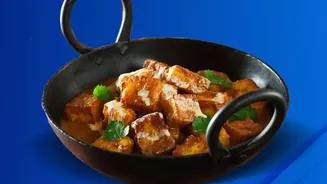
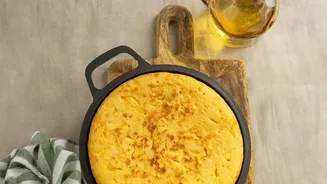
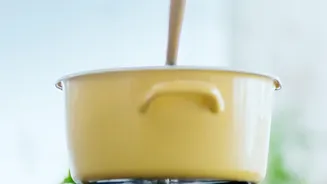
What do you cook most often? Your answer should guide your purchase. If your goal is high-heat searing of steaks and burgers, a classic, heavy skillet is your best friend. Its flat surface provides maximum contact for a great crust. If you frequently make pan sauces or gravies, look for a model with good pouring spouts. For those who love baking cornbread, roasting chickens, or making deep-dish pizza, a 10 or 12-inch skillet that can seamlessly go from stovetop to oven is essential. If you're more inclined to cook stews, curries, or acidic tomato sauces, you might consider an enameled cast-iron Dutch oven instead of a bare skillet. The enamel coating is easier to clean and doesn't require seasoning, though it may not be suitable for the same ultra-high heat searing as traditional cast iron.
Beyond the Basics: Handles and Finish
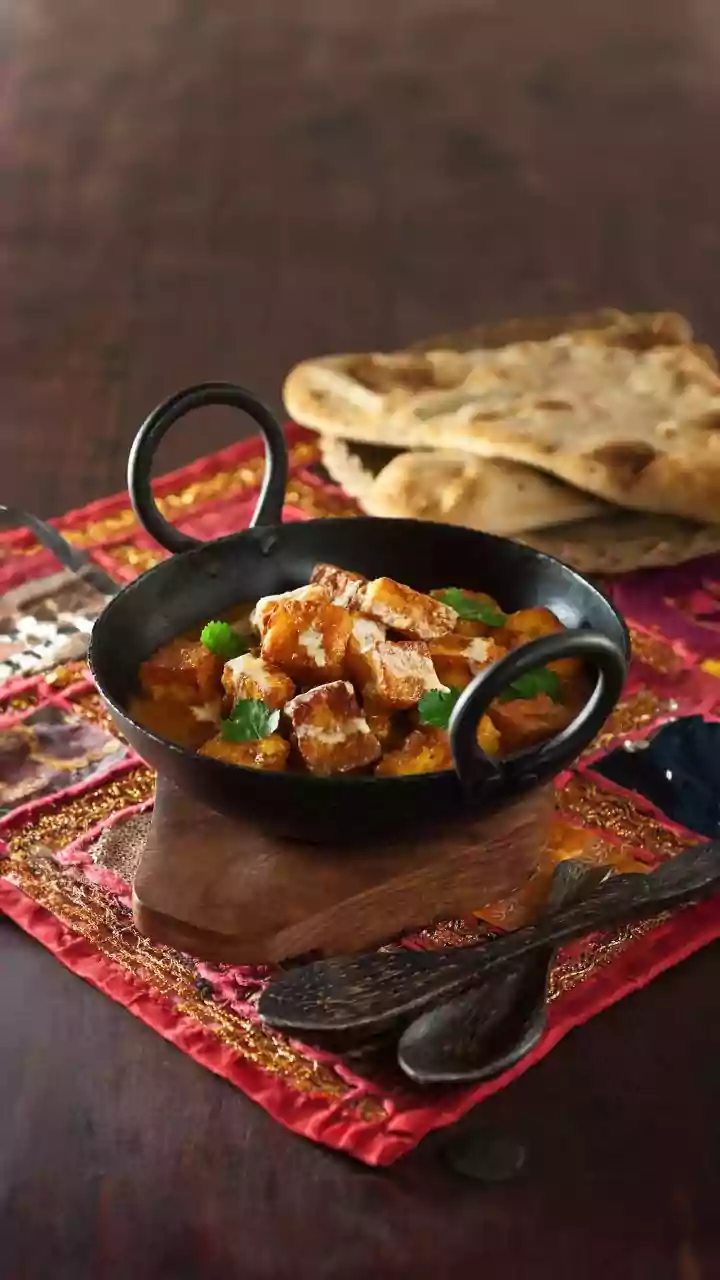
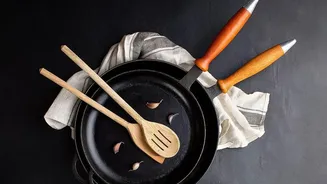
While weight, size, and cooking style are the primary considerations, a few other details can make a big difference. Pay attention to the handle. A good cast-iron pan should have a main handle that is comfortable to grip and a smaller "helper" handle on the opposite side. This second handle is invaluable for lifting and controlling a heavy, full pan. Also, consider the surface texture. Many modern cast-iron pans have a slightly pebbled or rough surface from the casting process. Vintage pans are often prized for their smoother, machined cooking surfaces. While a smoother surface can make it easier to achieve a non-stick patina, a quality pre-seasoned modern pan will also perform excellently and develop better non-stick properties over time with use and care.