





Understanding the 'Plant-Forward' Philosophy
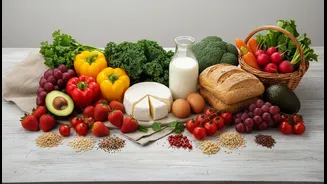
First, let's clarify what “plant-forward” means. Unlike a strict vegan or vegetarian diet that eliminates all or most animal products, a plant-forward approach is more flexible. It’s about making plant-based foods—like vegetables, fruits, whole grains,
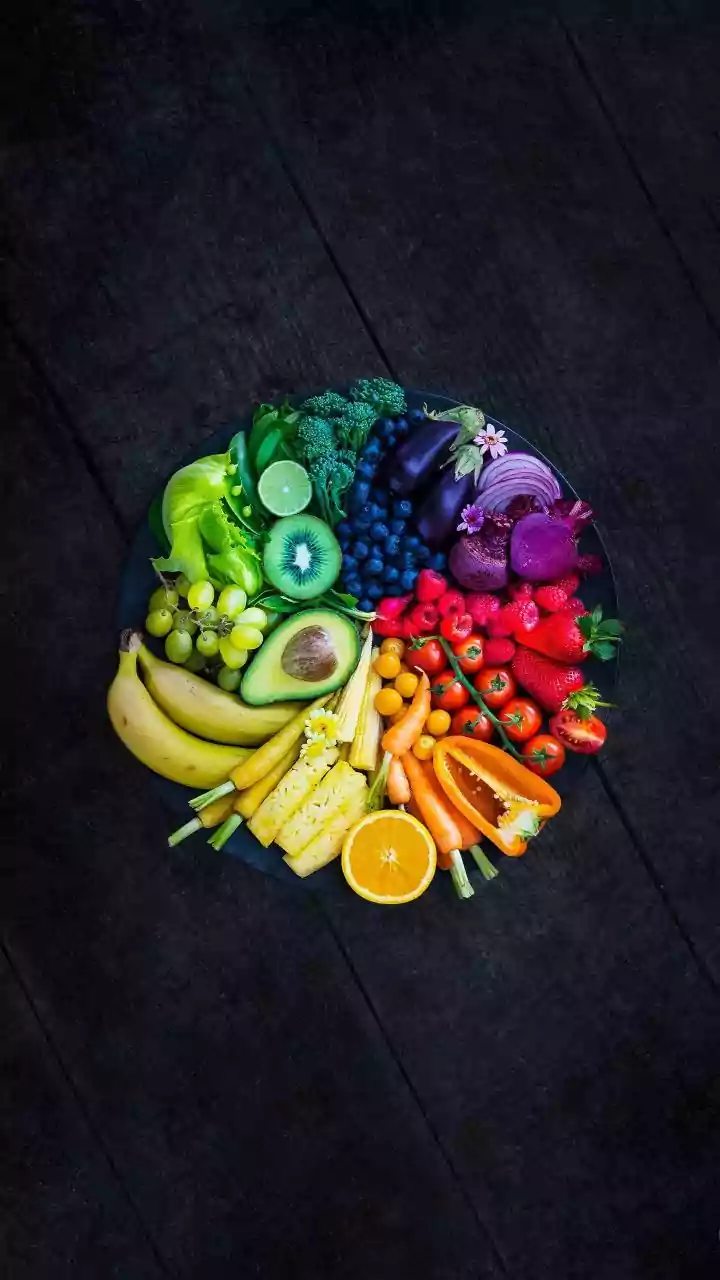
legumes, nuts, and seeds—the star of the meal, rather than the supporting act. Animal products might still be included, but in smaller quantities, used more as a condiment or flavouring than the main event. The emphasis is on whole, minimally processed foods, which distinguishes it from some vegan diets that might rely on highly processed meat substitutes. This approach, rooted in eating patterns like the Mediterranean diet, prioritizes getting the majority of your nutrients from plant sources.
Fueling Your Body: The Energy Equation
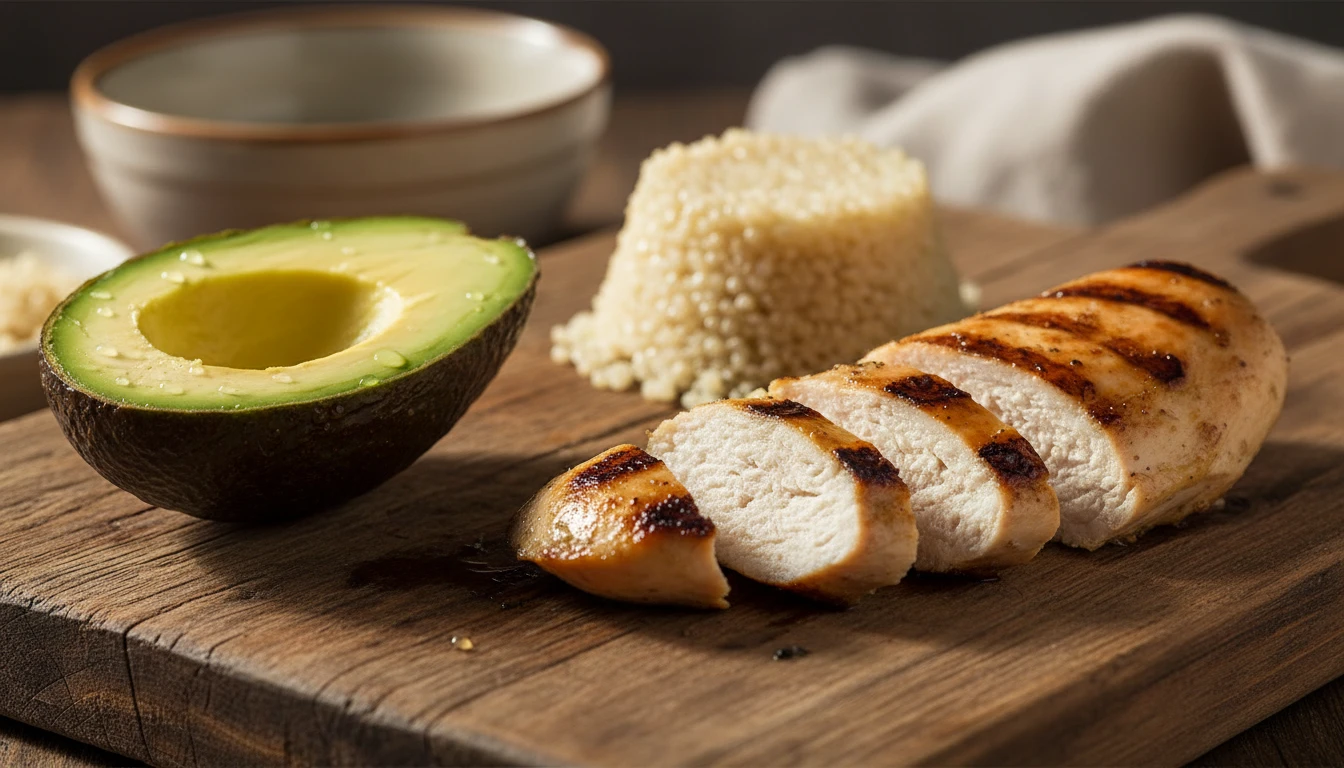
A common pitfall when shifting to a plant-centric diet is accidentally not consuming enough calories. Plant foods are often less energy-dense than animal products, meaning you might need to eat a larger volume of food to get the same amount of energy. If you find yourself feeling constantly hungry or fatigued, you might be in a calorie deficit. To avoid this, focus on incorporating energy-dense plant foods into every meal. Healthy fats are your friend here; think avocados, nuts, seeds, and oils. Starchy vegetables like sweet potatoes and whole grains such as quinoa, millets (like ragi and jowar), and oats provide sustained energy and are essential for feeling full. Don't shy away from these complex carbohydrates; they are crucial for keeping your energy levels stable throughout the day.
Powering Up with Plant-Based Protein
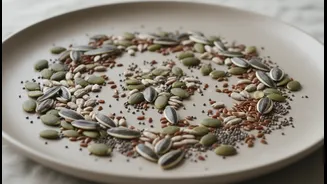
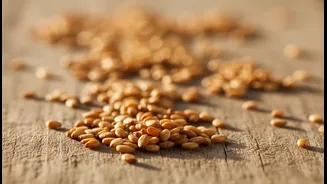
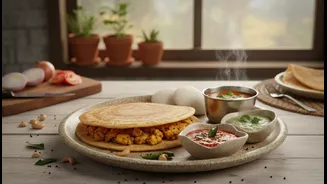
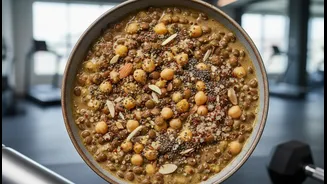
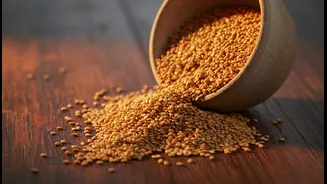
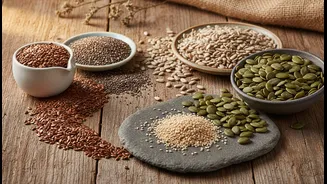
“But where do you get your protein?” It’s the age-old question for anyone reducing their meat intake. Thankfully, the plant kingdom offers an abundance of protein-rich options, many of which are staples in Indian cuisine. Lentils (dals), chickpeas (chana), kidney beans (rajma), and other legumes are protein powerhouses. A single cup of cooked dal can provide a significant portion of your daily protein needs. Soya products like tofu and soy chunks are also excellent, versatile sources. For a complete protein profile, which contains all essential amino acids, it's beneficial to combine different plant sources, such as pairing dals with rice or roti. Nuts like peanuts and almonds, and seeds like sesame and chia, not only add protein but also healthy fats and texture.
The All-Important Satisfaction Factor
A meal can be nutritionally perfect but still leave you feeling unsatisfied. This is where satiety—the feeling of fullness and satisfaction—comes into play. Three key nutrients contribute to this: protein, fibre, and healthy fats. Protein and fats slow down digestion, helping you feel full for longer. Fibre, found abundantly in whole plant foods, adds bulk to meals and helps stabilize blood sugar levels, preventing the energy crashes that can lead to cravings. Don't underestimate the power of flavour and texture. Incorporating umami—the savoury fifth taste found in mushrooms, tomatoes, and fermented foods like miso—can make plant dishes deeply satisfying. Likewise, adding a crunchy element with toasted nuts or seeds can elevate the eating experience from mundane to memorable.
Building a Balanced and Satisfying Plate
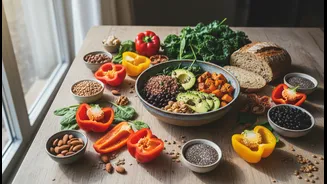
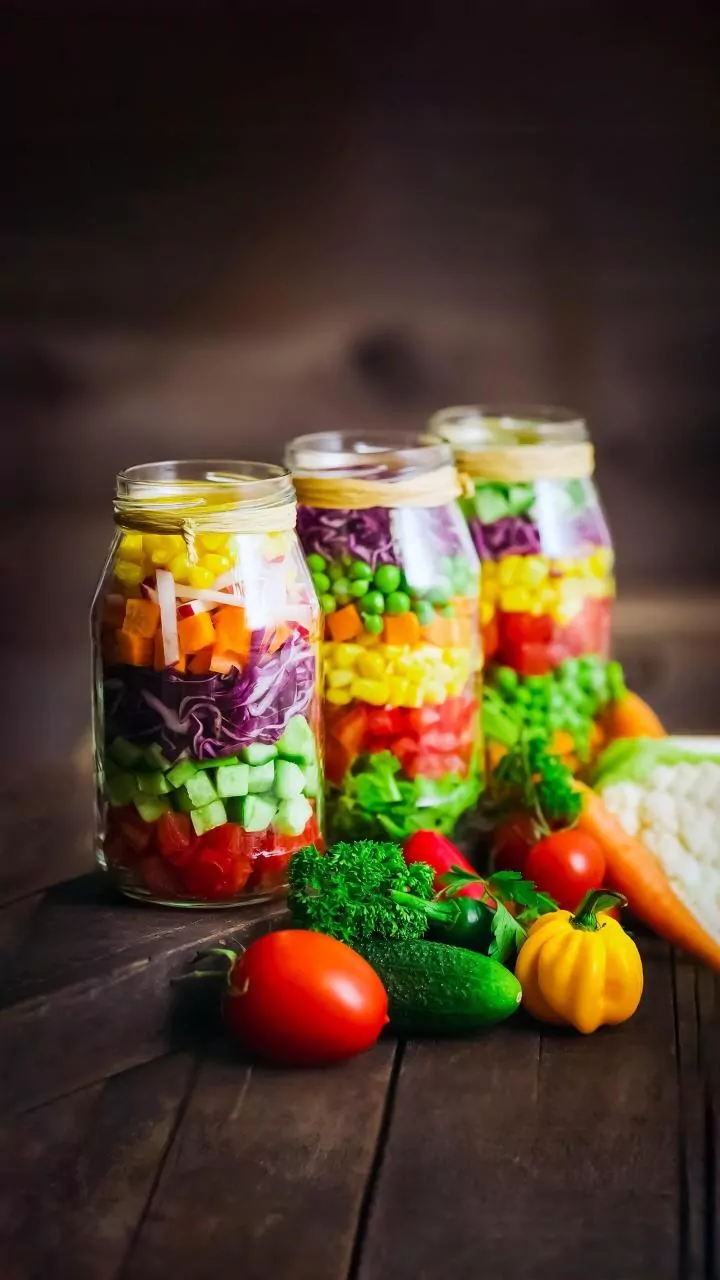
Putting it all together doesn't have to be complicated. A simple visual guide is the “plate method.” Aim to fill half of your plate with non-starchy vegetables (leafy greens, broccoli, bell peppers). One quarter should be dedicated to a high-quality plant protein source, such as a hearty dal, chana masala, or grilled tofu. The final quarter should be filled with complex carbohydrates like brown rice, millets, or a whole-wheat roti. Finally, drizzle or sprinkle a source of healthy fat, like a spoonful of sesame seeds, a few slices of avocado, or a light dressing made with olive oil. This framework ensures you’re getting a balanced mix of macronutrients, micronutrients, and fibre in a single meal, ticking the boxes for energy, protein, and satisfaction.