



A Cosmic Needle in a Haystack
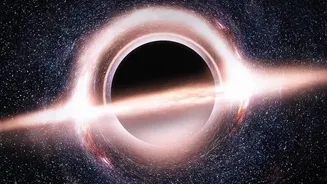
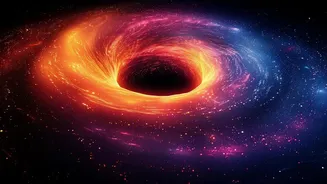
Astronomers face a monumental challenge: how do you find something that is, by its very nature, invisible? Black holes don't emit light, making them impossible to see directly. Scientists estimate that the Milky Way has produced millions of these objects
over its lifetime, but only about 70 have been confidently identified so far. This enormous gap isn't for a lack of looking; it's a problem of data. Modern telescopes scan the skies relentlessly, producing an overwhelming flood of information. Finding the subtle clues that betray a black hole's presence is like searching for a single grain of sand on a vast beach.
How to Hunt an Invisible Giant
The Black Hole Hunters project, hosted on the Zooniverse citizen science platform, uses a fascinating phenomenon called gravitational microlensing to make the invisible visible. The project focuses on binary systems where a black hole orbits a normal star. If the alignment is just right, the black hole will periodically pass between its companion star and Earth. When this happens, the black hole's immense gravity acts like a cosmic magnifying glass, bending and briefly amplifying the star's light. This causes a distinct, symmetrical peak in the star's brightness. This is the tell-tale sign that volunteers are trained to look for.
People Power vs. Artificial Intelligence
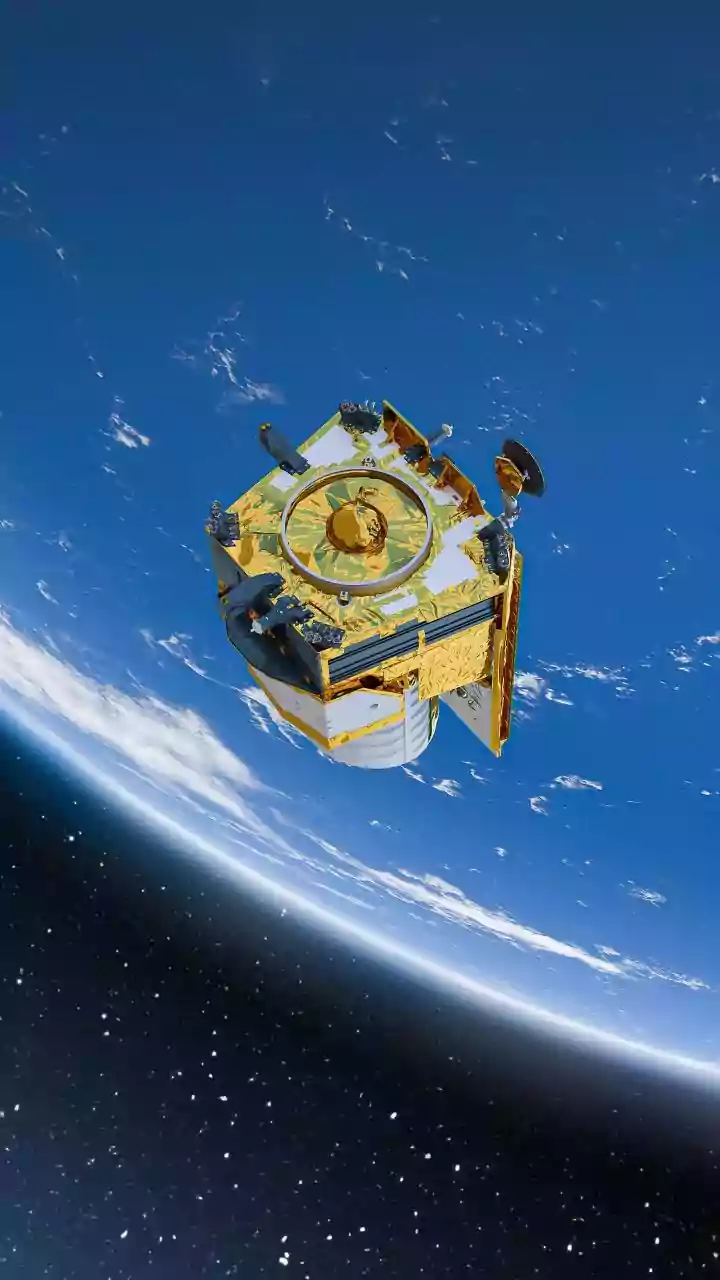
The project uses data from NASA's Transiting Exoplanet Survey Satellite (TESS), which constantly monitors the brightness of millions of stars. While artificial intelligence helps by performing an initial sweep of the data to flag potential candidates, AI can be easily fooled. Natural stellar pulsations or flares can mimic the signal of a lensing event, leading to false positives. This is where human volunteers come in. The human brain remains superior at recognizing subtle patterns and dismissing visual noise that can trick an algorithm. No special expertise is required; the project provides simple tutorials and examples, allowing anyone with a computer and a bit of curiosity to contribute. According to project co-lead Adam McMaster, the task is simple and designed for anyone to participate.
A Global Search Party
The response has been remarkable. Since its launch, the Black Hole Hunters initiative has attracted nearly 23,000 volunteers from around the world. Together, they have performed over 12 million classifications, meticulously sorting through graphs of starlight to find those characteristic peaks. This people-powered effort dramatically accelerates the research process, allowing scientists to focus their attention and powerful follow-up telescopes on the most promising candidates identified by the public. Each classification helps narrow down a search that would otherwise take professional astronomers years to complete. The goal is to find the first 'self-lensing' system containing a black hole, a type of system that is predicted to exist but has not yet been discovered.
The Future of Discovery
The success of Black Hole Hunters, a collaboration led by researchers from the University of Southampton and the Open University, highlights a major shift in how scientific discovery happens. It proves that the biggest questions in science don't always require a PhD to help answer. By breaking down a massive, complex problem into small, manageable tasks, citizen science projects empower the public to become active participants in cutting-edge research. Every volunteer who spots a potential candidate could be the one to pinpoint a previously unknown black hole, helping to build a more complete map of our galactic neighbourhood and a better understanding of how these mysterious objects form and evolve.