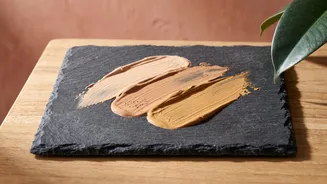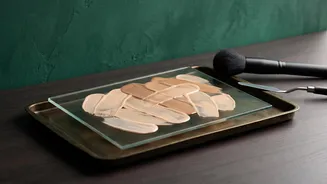




What Exactly Is Facial Layering?
Facial layering is a professional makeup technique that prioritizes structure and subtlety over sheer volume of product. Instead of applying one thick coat of foundation and concealer, this method involves building thin, strategic veils of makeup that work
together to create a polished yet skin-like finish. Each layer has a specific purpose, from evening out skin tone to adding dimension. The core philosophy is that modern makeup should enhance your natural features, not hide them. By applying products in a deliberate sequence and with a light hand, you allow each formula to perform at its best, resulting in a look that is both durable and breathable.
The 'Less Is More' Advantage
The primary benefit of facial layering is avoiding the dreaded "cakey" effect. Thick applications of makeup can trap heat and moisture, causing products to shift, crease, or settle into fine lines throughout the day. Thin layers, on the other hand, adhere better to the skin, creating a flexible and stable finish. This method also provides more control and a more natural-looking dimension. A single, heavy layer of foundation can flatten your features, requiring heavy contouring to bring them back. By building coverage gradually, you can conceal imperfections where needed while letting your natural skin show through elsewhere. This adds depth and a lit-from-within glow that looks far more authentic.
Your Step-by-Step Guide to Layering
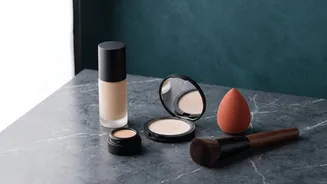
Achieving a beautifully layered look follows a logical sequence. Start with properly prepped skin—cleansed, moisturized, and primed—to create a smooth canvas. The general rule for application is to move from the thinnest to the thickest textures: liquids, then creams, and finally powders. Begin with a thin layer of liquid foundation, focusing application in the center of the face and blending outwards to avoid harsh lines. Next, apply concealer sparingly only where needed, such as under the eyes or on blemishes, gently tapping to blend. Follow with any cream products like blush or bronzer. The final step is to selectively apply a light dusting of setting powder, primarily on the T-zone or areas prone to creasing, to lock everything in place without adding weight.
Choosing the Right Products and Tools
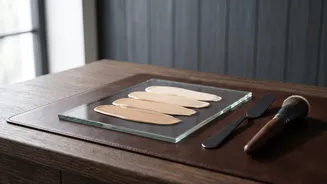
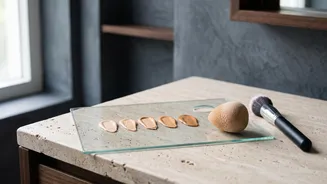
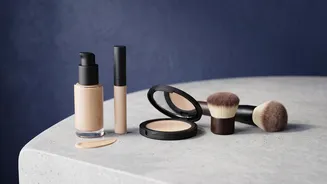
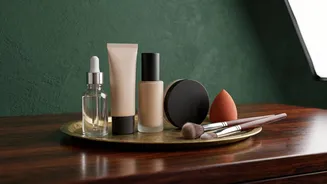
Success with layering depends heavily on using compatible products. Liquid and cream formulas are generally preferred for base layers because they melt into the skin and blend seamlessly. Look for foundations and concealers that are described as lightweight or buildable. When it comes to tools, different options yield different results. Your fingertips can be great for warming up products like foundation, helping them sink into the skin for a very natural finish. A damp beauty sponge is excellent for stippling on product and blending away any harsh lines for an airbrushed effect. For precision work with concealer or powder, brushes offer the most control.
Common Mistakes to Avoid
The most common pitfall in layering is simply using too much product. Remember to start with a very light hand and build coverage gradually only where necessary. Another frequent error is not allowing each layer to settle for a moment before applying the next. Rushing the process can cause products to mix and slide around. Applying liquid or cream products over powder is a major mistake, as it can disrupt the base and lead to a patchy, uneven texture. Finally, don't forget the importance of blending. Taking an extra minute to properly diffuse the edges of your foundation, concealer, and blush is crucial for achieving the seamless, professional finish that makes facial layering so effective.