




A Bridge of Peace
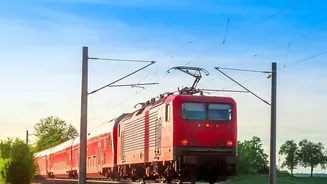
The Samjhauta Express, whose name translates to "Agreement Express," was launched on July 22, 1976, following the Simla Agreement between India and Pakistan. In a climate of tentative peace following the 1971 war, the train was a tangible link, a bridge
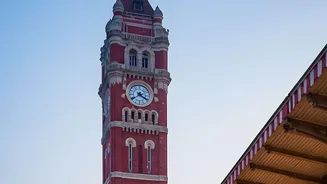
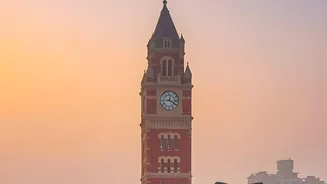
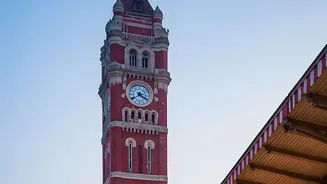
of hope connecting families divided by Partition and fostering people-to-people ties. Initially running between Amritsar and Lahore, the twice-weekly service became a lifeline for thousands. The Indian leg of the journey began in Delhi, travelling to Attari, where passengers would go through customs and immigration before boarding a Pakistani train for the final short journey to Lahore. Attari station, officially known as Attari Shyam Singh station since 2015, thus became more than just a transit point; it was the final gateway, a place of emotional farewells and tearful reunions.
A Turbulent Journey
The train’s journey was often a barometer for the political temperature between the two nations. Its services were frequently the first casualty of diplomatic strain. The first major suspension came after the 2001 terrorist attack on the Indian Parliament, with services only resuming in January 2004. The darkest day in the train's history came on February 18, 2007, when a terrorist bombing in two carriages near Panipat, Haryana, killed 70 people, most of whom were Pakistani civilians. The attack was a brutal reminder that even a symbol of peace was not immune to the violence that has long plagued the region. Despite the tragedy, the train, heavily guarded, continued its run, a testament to the enduring need for connection.
The End of the Line
The train’s schedule became increasingly erratic in its final years, mirroring the deteriorating bilateral relationship. It was briefly suspended in February 2019 after the Pulwama terror attack before resuming. However, the final whistle blew on August 8, 2019. Following India's decision to revoke Article 370 of the Constitution, which gave special status to Jammu and Kashmir, Pakistan permanently suspended the service on its side. With no passengers arriving from across the border, Indian Railways cancelled its operations as well. The platforms of Attari, once bustling with travellers and laden with emotion, fell silent, marking the end of a 43-year-long era.
A New Focus for Attari
For years, the station has been a quiet monument to a bygone era of cross-border travel. However, Attari is now re-emerging in national plans, not for passenger trains, but for tourism and connectivity of a different kind. Recent government initiatives aim to revitalise the area. In mid-2025, a Rs 24 crore project was announced to give Attari a “tourism facelift,” focusing on enhancing the visitor experience for the thousands who visit the Wagah border for the daily Beating Retreat ceremony. More recently, in a significant development on August 10, 2026, the Attari land border was designated as an entry point for foreign nationals holding e-visas. This move, part of a wider expansion of e-visa facilities, aims to streamline international travel into India, though it does not apply to Pakistani passport holders. This pivot towards tourism and smoother entry for other foreign nationals signals a new chapter for the historic border post.