


A Crucial Mission for NavIC
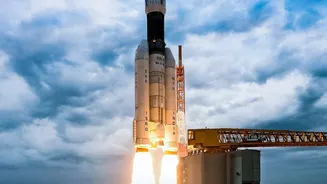
The Indian Space Research Organisation (ISRO) is targeting a launch window between October 15 and 20, 2026, for the GSLV-F18 mission. This launch is more than just another satellite deployment; it's a vital effort to restore and enhance India's indigenous
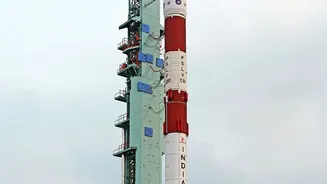
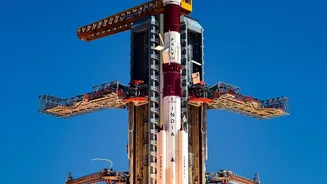
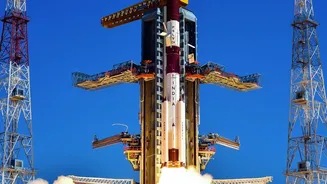
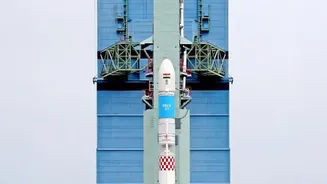
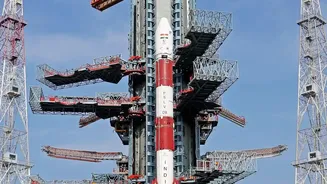
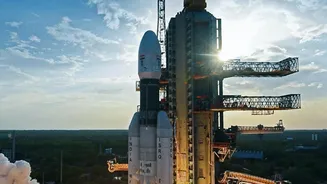
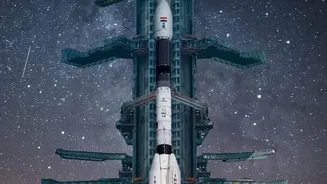
navigation capabilities. The NavIC system, India's alternative to GPS, currently has only three satellites providing positioning services. A minimum of four are required for standalone positioning. The successful deployment of NVS-03 is essential to bring the constellation back to full operational strength for determining a user's location, a capability that is currently diminished. Preparations are already well underway, with the rocket's first stage stacking completed at the Satish Dhawan Space Centre in Sriharikota.
The Payload: NVS-03 Explained
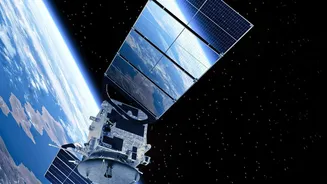
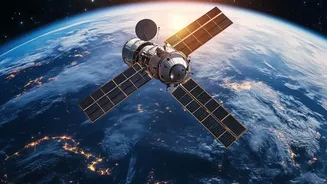
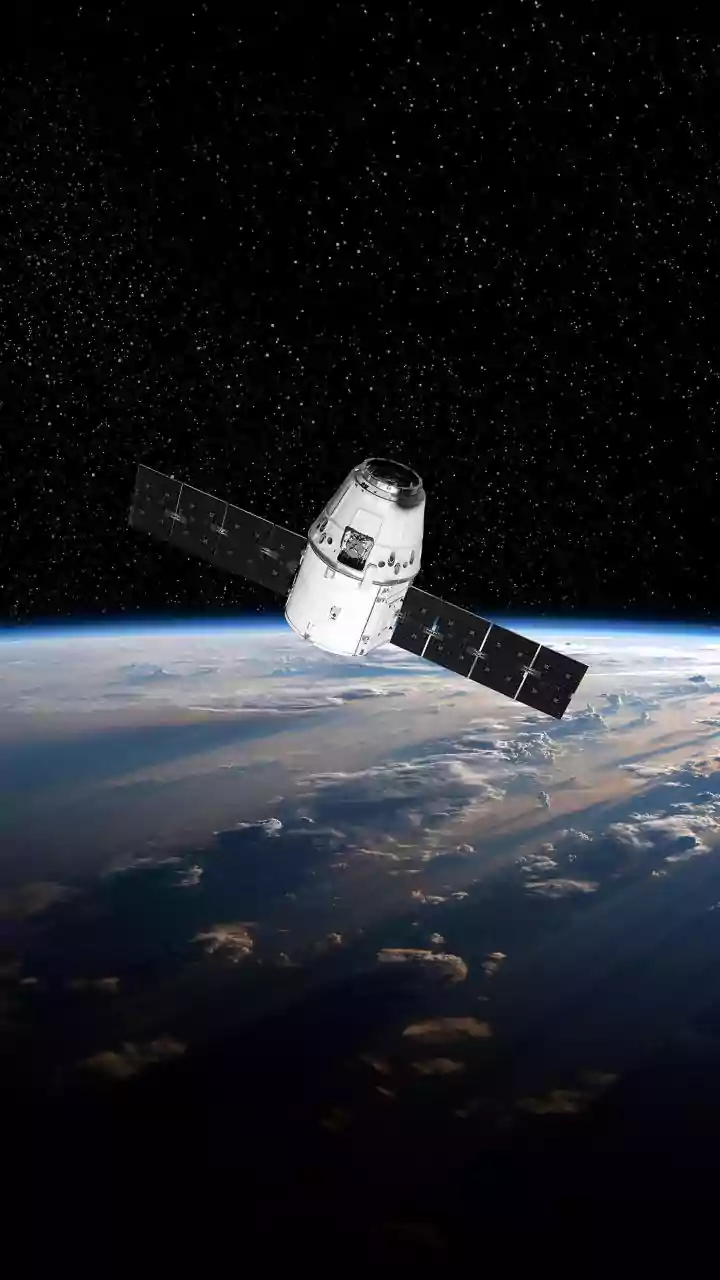
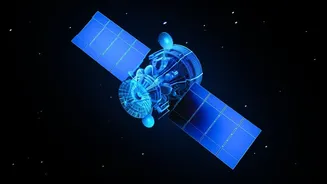
NVS-03 is the third satellite in the second generation of NavIC satellites, designed to augment and replace older satellites in the original Indian Regional Navigation Satellite System (IRNSS) constellation. These next-generation satellites have an extended lifespan of 12 years and come with significant upgrades. A key feature is the inclusion of an L1 band signal, which is compatible with the most widely used GNSS frequency globally. This addition is a game-changer, designed to make NavIC services more easily accessible on a wide range of civilian devices like smartphones and wearables. Furthermore, NVS-03 is equipped with a highly stable, indigenously developed Rubidium atomic clock, a piece of technology critical for precise timing and positioning calculations. This homegrown innovation reduces reliance on imported components that had failed in some earlier-generation satellites.
The Vehicle: GSLV, The Dependable Launcher
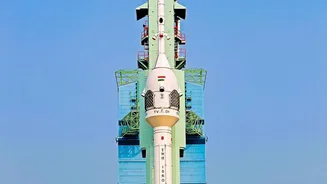
The Geosynchronous Satellite Launch Vehicle (GSLV) is ISRO's workhorse for placing heavy satellites into geosynchronous orbits, which is where navigation satellites operate. The GSLV-F18 will carry the NVS-03 satellite, which weighs around 1,330 kg, into a Geosynchronous Transfer Orbit (GTO). From there, the satellite will use its own propulsion system to move into its final operational orbit. The GSLV family of rockets has a proven track record, and this mission will be the 20th flight for the GSLV. Its ability to launch heavier payloads is crucial for deploying the advanced second-generation NVS satellites, making it an indispensable asset for India's space ambitions.
Why India Needs Its Own Navigation System
Navigation with Indian Constellation (NavIC) is India's answer to foreign-owned systems like the American GPS, Russia's GLONASS, or Europe's Galileo. Having an independent regional navigation system is a matter of immense strategic importance. It guarantees uninterrupted positioning, navigation, and timing (PNT) services for the country's military and defense applications, ensuring they are not dependent on another nation's infrastructure during a crisis. For civilians, NavIC provides a Standard Positioning Service (SPS) covering India and a region extending 1,500 km around it. Its applications are vast, spanning transport, terrestrial and maritime navigation, disaster management, vehicle tracking, and more, forming a backbone for India's technological self-reliance.