



The Basics of Balcony Aromatics
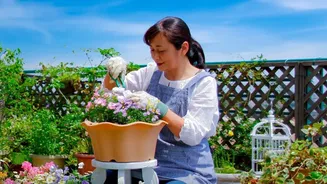
Before you start picking plants, a little preparation goes a long way. Choose containers with plenty of drainage holes, as most fragrant plants dislike having their roots sit in water. Terracotta pots are an excellent choice as they are porous and allow
soil to breathe. For soil, a well-draining potting mix available at any local nursery is your best bet. Finally, observe your balcony. Note how many hours of direct sunlight it receives. Most flowering plants and herbs need at least 6-8 hours of sun to thrive and produce the essential oils that create their signature scents.
Jasmine (Mogra)
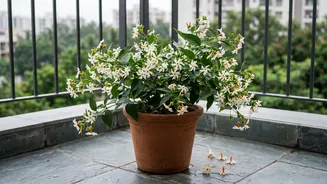
No list of fragrant Indian flowers is complete without Mogra. This variety of jasmine is iconic for its intensely sweet and intoxicating scent, which grows stronger in the evening. It’s a climber, but can be maintained as a compact shrub in a medium-to-large pot with regular pruning. Mogra loves the sun and needs consistent watering, especially during its flowering season. Place it where you enjoy your evenings to make the most of its delightful aroma.
Gardenia (Gandharaj)
Known as the 'king of fragrances,' the Gandharaj is a sophisticated choice for a balcony garden. Its large, creamy-white blossoms emit a powerful, rich perfume. Gardenias prefer acidic soil and a spot with morning sun and afternoon shade, as the harsh midday sun can scorch their leaves. They can be slightly more demanding than other plants, requiring consistent moisture and feeding, but the reward of a single bloom's fragrance is well worth the effort.
Tuberose (Rajanigandha)
The name Rajanigandha translates to 'night-fragrant,' and for good reason. The tall spikes of waxy, white flowers release a heady, complex scent after dusk. Grown from bulbs, Tuberose is well-suited to pots. Plant the bulbs in spring and ensure they get full sun and regular watering. They are a fantastic choice for adding vertical height to your balcony garden while filling your nights with a luxurious perfume.
Aromatic Herbs: Mint and Rosemary
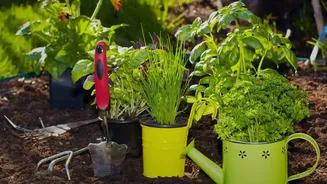
Fragrance isn't just for flowers. Aromatic herbs offer a different kind of sensory experience and have the bonus of being useful in the kitchen. Mint is incredibly easy to grow in a pot—almost too easy, so keep it contained. Its cool, refreshing scent is released whenever the leaves are brushed against or crushed. Rosemary is a hardy, woody herb with a distinctive pine-like aroma. It thrives in full sun and well-drained soil, and its fragrance is a wonderful addition to a sunny balcony.
Lavender
Famous for its calming properties, lavender brings both beautiful purple flower spikes and a classic, clean scent to your space. There are many varieties, so choose a compact one that is suited to containers. Lavender loves sun and hates wet soil, so excellent drainage is non-negotiable. It’s a relatively low-maintenance plant that will reward you with its famous fragrance, attracting bees and butterflies to your urban garden.
Tips for Maximum Fragrance
To get the most out of your fragrant garden, placement is key. Position pots where they will be gently brushed by passersby to release their scents. Grouping plants together can also create a more immersive pocket of fragrance. Pay attention to when your plants are most aromatic—some, like Jasmine and Tuberose, are night-bloomers, while others release their scent in the heat of the sun. Finally, watering the foliage of herbs like mint can help release a fresh burst of aroma on a warm day.