




The 2027 Trial Window
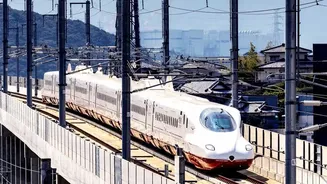
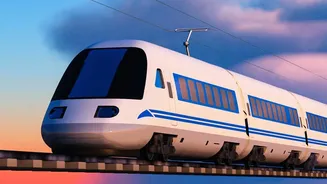
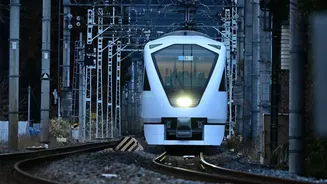
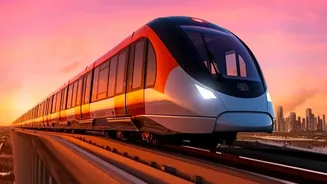
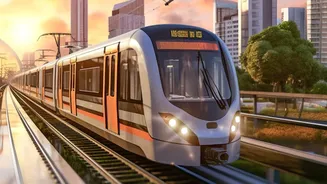
Railway Minister Ashwini Vaishnaw has confirmed that testing for India's first high-speed train is expected to begin by May or June of 2027. This trial phase is slated to last between two and four months, paving the way for a potential commercial launch
later in the year. The initial service is targeted to start in August 2027, focusing on a specific, nearly-completed section of the corridor in Gujarat. This phased approach allows the National High Speed Rail Corporation Limited (NHSRCL) to begin operations on sections as they become ready.
First Stop: The Surat-Bilimora Section
The very first runs of the bullet train will take place in Gujarat. The initial operational section is set to be the stretch between Surat and Bilimora. This portion of the 508-kilometre corridor has seen rapid construction progress, making it the logical choice for the inaugural service. Eventually, this will be extended to connect Vapi as well. Civil construction work on the Vapi to Surat segment is reportedly on track for completion by the end of 2026, further preparing the ground for the 2027 trials. Stations along this route, including Surat, Vapi, Bilimora, and Bharuch, are advancing quickly, with a focus on world-class passenger amenities and safety standards inspired by Japanese Shinkansen technology.
An Ambitious National Project
The Mumbai-Ahmedabad High-Speed Rail (MAHSR) project is one of India's most prestigious infrastructure undertakings. The full corridor spans 508 kilometres and will feature 12 stations across Maharashtra and Gujarat. Once fully operational, the bullet train will travel at a top speed of 320 km/h, slashing the journey time between Mumbai and Ahmedabad from over six hours to just under two hours for limited-stop services. The project has been a massive undertaking, involving the construction of extensive viaducts, with over 290 km already built, and the completion of major bridges over 12 rivers.
Overcoming Hurdles and Looking Ahead
The project has faced its share of challenges, particularly with land acquisition in Maharashtra, which has proceeded at a slower pace than in Gujarat. This disparity is a key reason for the phased rollout, which prioritises the Gujarat section where land acquisition and construction have been faster. While the first service is targeted for 2027, the completion of the entire Mumbai-to-Ahmedabad line is anticipated by 2029. The project is not just about building a railway line; it's about creating a new transport ecosystem. This includes building India's first indigenous bullet train, with the first body frame already completed and sent for structural testing.
The Blueprint for India's Future
The MAHSR corridor is seen as a blueprint for a larger high-speed rail network across the country. The experience and technology gained from this project are expected to streamline the development of seven other proposed high-speed corridors, including routes like Delhi-Varanasi and Mumbai-Nagpur. By leveraging Japanese Shinkansen technology for track systems, trainsets, and safety protocols, India is aiming to establish a world-class standard for its future rail infrastructure. This first bullet train is more than just a new service; it represents a significant leap in India’s journey toward modern, fast, and efficient public transportation.