

The Karnataka Classic: Khara Bath
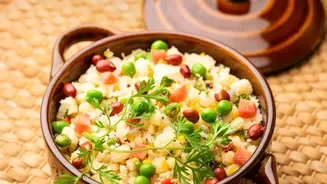
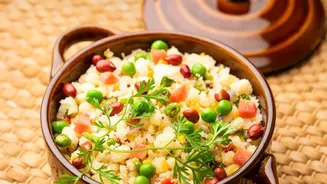
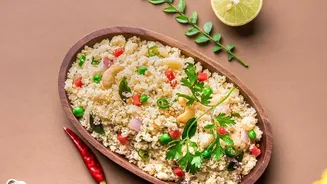
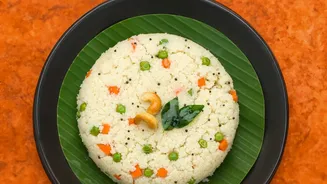
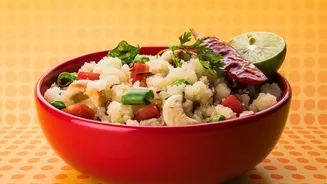
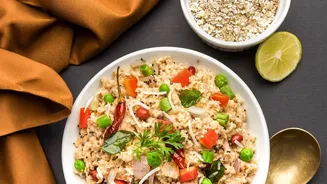
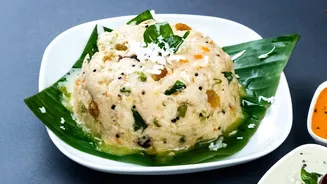
In Karnataka, upma often goes by the name Khara Bath, and it is a decidedly more vibrant and spicy affair. Unlike its plainer counterpart, Khara Bath is loaded with finely chopped vegetables like carrots, beans, and peas, making it a more substantial
meal. The real secret, however, lies in the spice blend. Aromatic powders like Vangi Bath powder or even a touch of Bisi Bele Bath powder are often used, infusing the dish with a complex, savoury heat that is both addictive and satisfying. Typically cooked to a soft, almost melt-in-the-mouth consistency, it is often served with coconut chutney. In Bengaluru, it's famously paired with a sweet semolina dish called Kesari Bath, with the combination platter known as 'Chow Chow Bath'.
The Tamil Nadu Indulgence: Rava Kichadi
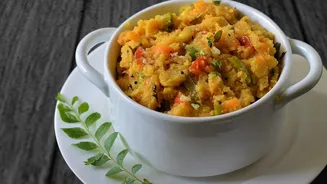
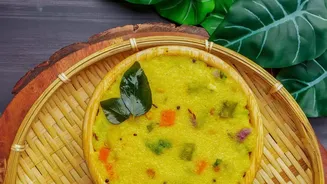
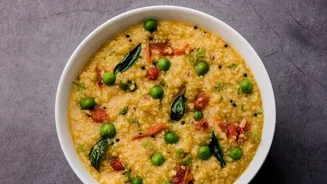
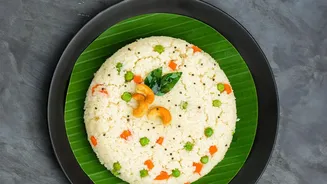
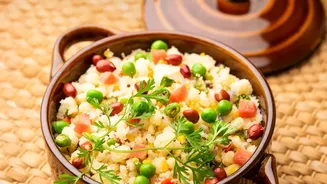
Travel to Tamil Nadu, and you’ll find Rava Kichadi, a dish that elevates the humble upma into something richer and more indulgent. While the base ingredients are similar, the key differences lie in texture and richness. Rava Kichadi is made with a more generous hand when it comes to ghee, giving it a glossy finish and a wonderfully soft, gooey texture rather than a fluffy or grainy one. It’s also typically packed with vegetables, and gets a vibrant yellow hue from turmeric. While some might confuse it with upma, locals know that kichadi is the more luxurious version, often found in restaurants and served as part of a mini-tiffin platter.
The Base Reinvented: Semiya Upma
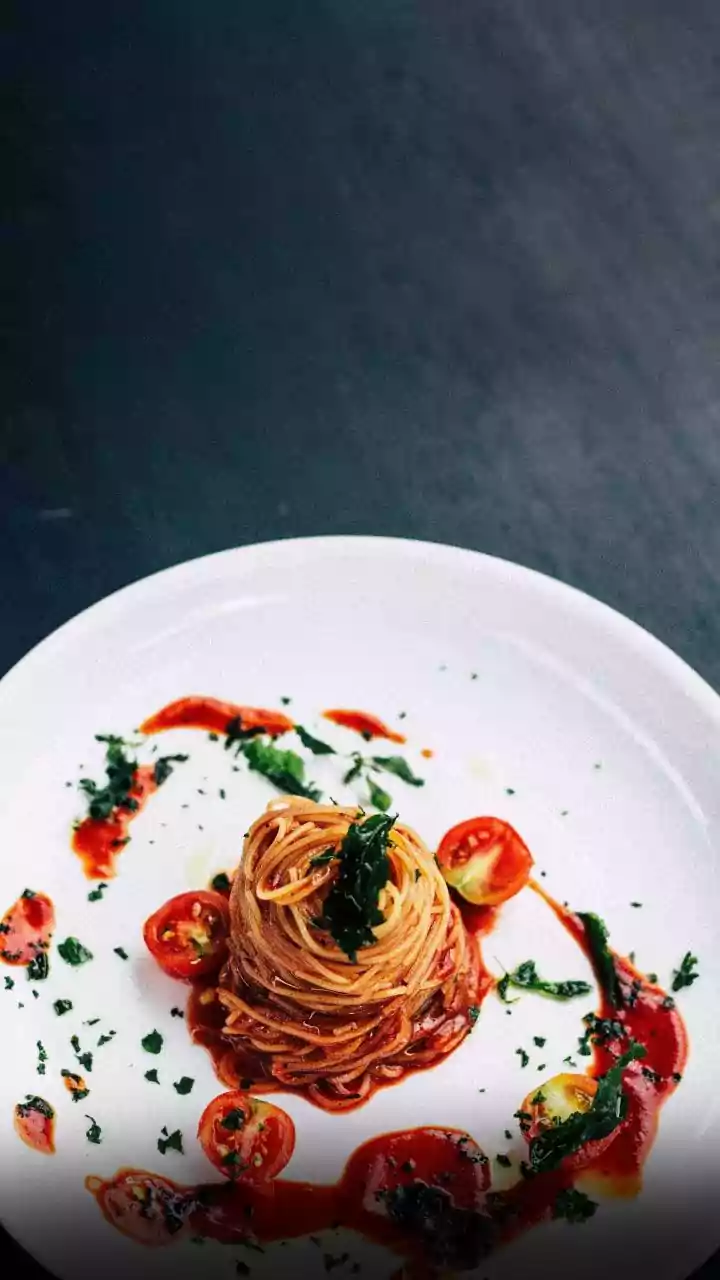
Who says upma has to be made with rava? Semiya Upma, popular across South India, swaps coarse semolina for fine wheat vermicelli, completely changing the dish's texture. The result is a light, fluffy preparation of savoury noodles, studded with the usual tempering of mustard seeds, lentils, and curry leaves. The process starts with roasting the vermicelli to a golden-brown colour, a crucial step to prevent it from becoming sticky and to ensure the final dish has separate, tender strands. Often cooked with onions, green chillies, and sometimes tomatoes or peas, it’s a quick and delightful variation that feels both familiar and new.
The Creative Leftover: Bread Upma
Bread Upma is a testament to the ingenuity of Indian home cooking, turning leftover or stale bread into a delicious and hearty breakfast. Instead of semolina, this version uses bread slices, which are either cut into small cubes or crumbled. The bread pieces are tossed in a flavourful base of sautéed onions, tomatoes, green chillies, and spices like turmeric. The bread soaks up all the masala, becoming soft and flavourful. A squeeze of lemon juice at the end brightens the entire dish. It’s a quick, no-waste recipe that delivers a tangy, spicy, and satisfying meal in minutes.
The Maharashtrian Way: Phodnicha Upma
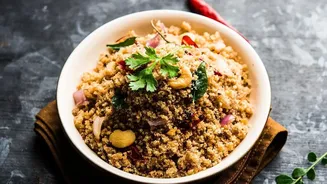
Maharashtra offers another clever take on using leftovers with 'Phodnicha Upma'. The word ‘phodni’ in Marathi means tempering, and this dish is essentially tempered upma. It's a quick breakfast made by taking cooked, often leftover, upma from the previous day and giving it a new lease of life. The cold upma is crumbled and then sautéed in a fresh tempering of oil, mustard seeds, cumin, turmeric, and chopped onions. This process not only reheats the upma but also infuses it with fresh aromas and flavours, making it taste just as good, if not better, the next day. It's a practical and delicious solution that prevents food waste, similar to another Maharashtrian favourite, 'Phodnicha Bhaat' (tempered leftover rice).