




Meet PRIMA: NASA's New Cosmic Explorer
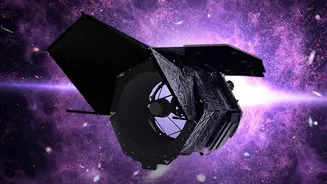
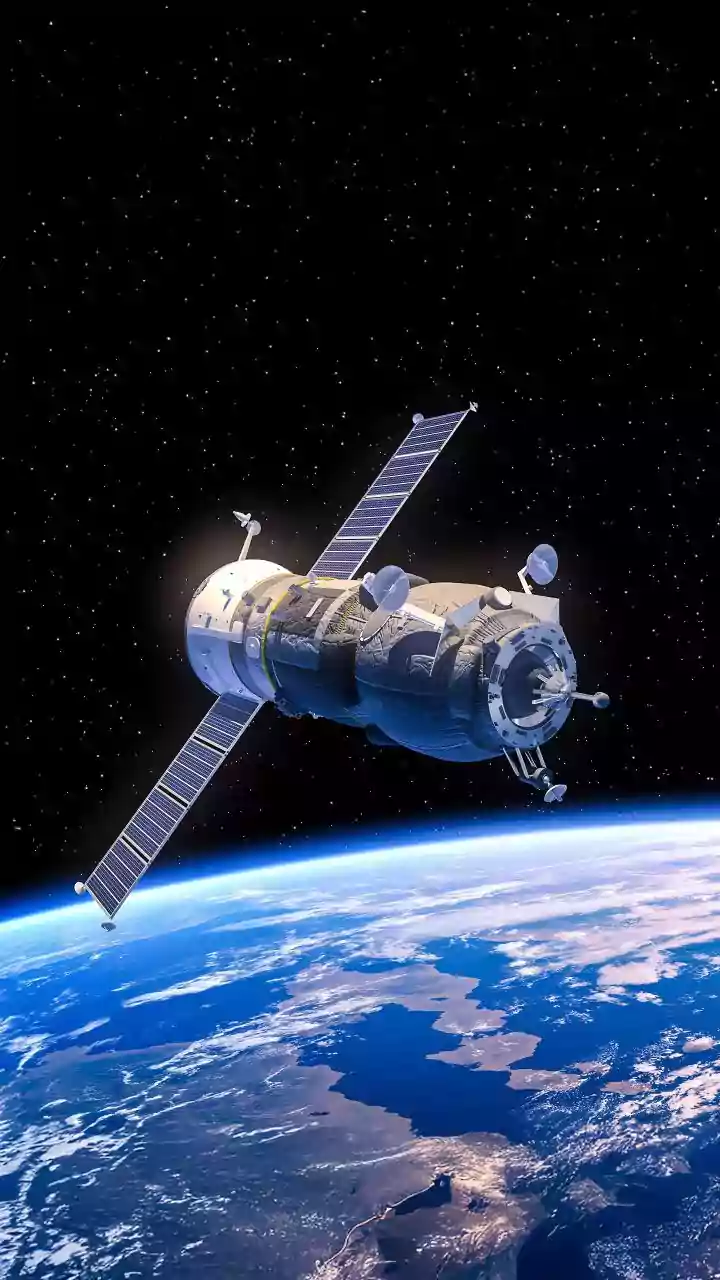
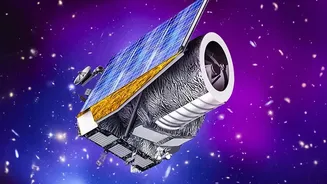
PRIMA, which stands for the Probe far-Infrared Mission for Astrophysics, is a space telescope set to give humanity a fresh look at the universe. Unlike telescopes that see visible light, PRIMA will be sensitive to far-infrared wavelengths. This allows
it to study phenomena that are too cold or distant to be seen by other observatories, essentially viewing a part of the universe that has remained hidden. Its primary scientific goals are ambitious and wide-ranging. Scientists plan to use PRIMA to investigate the origins of planets outside our solar system, trace how galaxies and their central supermassive black holes have evolved over billions of years, and understand how water and other crucial elements came to be. With a 5.9-foot (1.8-meter) primary mirror, PRIMA will fill a critical gap between the capabilities of the James Webb Space Telescope and ground-based radio telescopes like ALMA.
A New 'Probe' Class of Mission
The selection of PRIMA is significant not just for its scientific promise, but also because it is the first mission in a brand new category for NASA: the Probe Explorers. This new class of mission was recommended by the National Academies' 2020 Decadal Survey, which sets out key priorities for American astronomy and astrophysics. The 'Probe' class is designed to fill the strategic and budgetary gap between NASA's smaller 'Explorer' missions and its massive, multi-billion-dollar 'Flagship' missions, such as the Hubble and James Webb space telescopes. These flagship missions deliver groundbreaking science but often take decades to develop and can experience significant cost overruns. The Probe Explorers are intended to be a new 'middle tier'—scientifically ambitious projects that can be developed and launched more quickly and for a fraction of the cost.
Why the $1.2 Billion Cap Is a Game Changer
The headline feature of the Probe Explorer program, and of PRIMA itself, is the strict cost ceiling. The project's cost is capped at $1.2 billion, not including the price of the launch vehicle. This figure stands in stark contrast to the nearly $10 billion cost of the James Webb Space Telescope. By intentionally designing a mission class with a firm budget, NASA is signalling a strategic shift toward fiscal discipline. This approach allows the agency to pursue more high-priority science projects simultaneously, rather than concentrating a decade's worth of funding into a single flagship. The selection process for PRIMA explicitly weighed the feasibility of its development plan on cost and schedule. It was chosen over another concept, the Advanced X-ray Imaging Satellite (AXIS), demonstrating that staying within budget is now a core requirement for getting the green light.
The Science of the Unseen
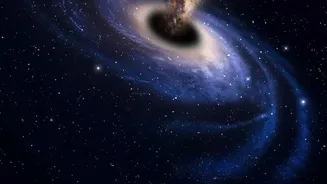
By observing in the far-infrared, PRIMA will be able to detect the faint heat from some of the universe's most elusive objects and processes. One of its key tasks will be studying the formation of planetary systems, specifically by quantifying the role of water and identifying the 'snowlines' where key molecules freeze onto dust grains. This will help scientists understand how and where exoplanets form. Additionally, the telescope will conduct wide surveys of the sky to map the distribution of cosmic dust and heavy elements, providing crucial data on how galaxies grow and how supermassive black holes influence their surroundings. Its advanced detectors, cooled to hundreds of degrees below zero to reduce interference, will be orders of magnitude more sensitive than previous far-infrared missions like the Spitzer and Herschel space telescopes.
The Path to Launch
With its selection confirmed, the PRIMA mission now moves into 'Phase B' of its development. This stage involves finalizing the preliminary design, developing key technologies, and getting a firm handle on the technical and budgetary requirements. The mission will undergo a confirmation review to ensure it is ready to proceed to the main construction phase. Managed by NASA's Jet Propulsion Laboratory, PRIMA is a collaboration involving numerous NASA centers and international partners. If it passes all its reviews, the observatory is targeting a launch no earlier than 2033 for a planned five-year mission to unlock the secrets of the cool universe.