




Beyond a Simple Good vs. Bad
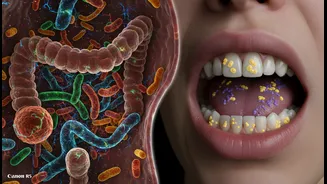
We love simple binaries: heroes and villains, superfoods and junk foods. It's a narrative that marketing has eagerly applied to the trillions of microbes living in our gut. We buy yogurts and supplements to boost the 'good guys' and wage war on the 'bad
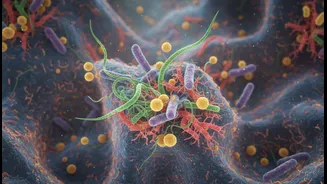
guys'. But science shows this is a dramatic oversimplification. A bacterium that is helpful in one person's gut could be neutral or even problematic in another. The function and effect of any microbe are highly dependent on its environment. There is no single, universally 'healthy' microbiome composition. Instead, a healthy gut is better understood as a resilient and diverse ecosystem that performs its necessary functions effectively for the host.
Why Context Is King
So, what determines if a microbial change is helpful or harmful? The answer is context. Think of your microbiome as a complex garden. A new plant (a microbe) isn't inherently a 'weed' or a 'flower'. Its role depends on the soil (your gut lining), the other plants around it (the existing microbial community), the weather (your diet and lifestyle), and the gardener's health (your immune system and genetics). A microbe like Akkermansia muciniphila, for instance, is often praised for its health benefits. But in the context of a very low-fiber diet, it can shift its metabolism to degrade the gut's mucus lining, potentially promoting allergic responses. The same microbe can have opposing effects based entirely on the resources you give it. This context-dependent nature is the rule, not the exception.
The Real Story on Probiotics
The global market for probiotics is enormous, built on the promise of delivering beneficial bacteria directly to your gut. While certain probiotic strains have demonstrated clear benefits for specific conditions—like preventing antibiotic-associated diarrhea or helping manage symptoms of Irritable Bowel Syndrome (IBS)—they are not a one-size-fits-all cure. The effectiveness of a probiotic depends on the specific strain, the dose, and the individual's unique gut environment. Taking a random probiotic supplement may not provide any benefit if your microbiome doesn't need that particular strain or if it can't survive and thrive in your gut. For most healthy people, the body's existing microbiome is already robust, and adding a probiotic might not hurt, but it's not strictly necessary for gut health.
Understanding 'Dysbiosis'
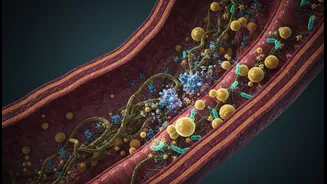
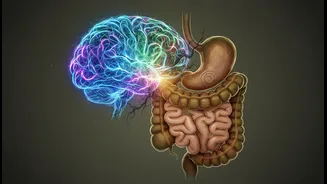
The term 'dysbiosis' is often used to describe an 'imbalanced' gut. But it's more than just having too many 'bad' microbes. Dysbiosis is a functional problem. It can mean a loss of beneficial organisms, an overgrowth of potentially harmful ones, or a general loss of microbial diversity. This disruption can impair the microbiome's ability to perform its duties, such as aiding digestion, regulating the immune system, and producing essential vitamins. This imbalance has been associated with numerous chronic conditions, from inflammatory bowel disease (IBD) to obesity and cardiovascular problems. However, dysbiosis itself is not a uniform state; what constitutes an imbalance for one person might be normal for another, again highlighting the importance of individual context.
How to Support a Resilient Gut
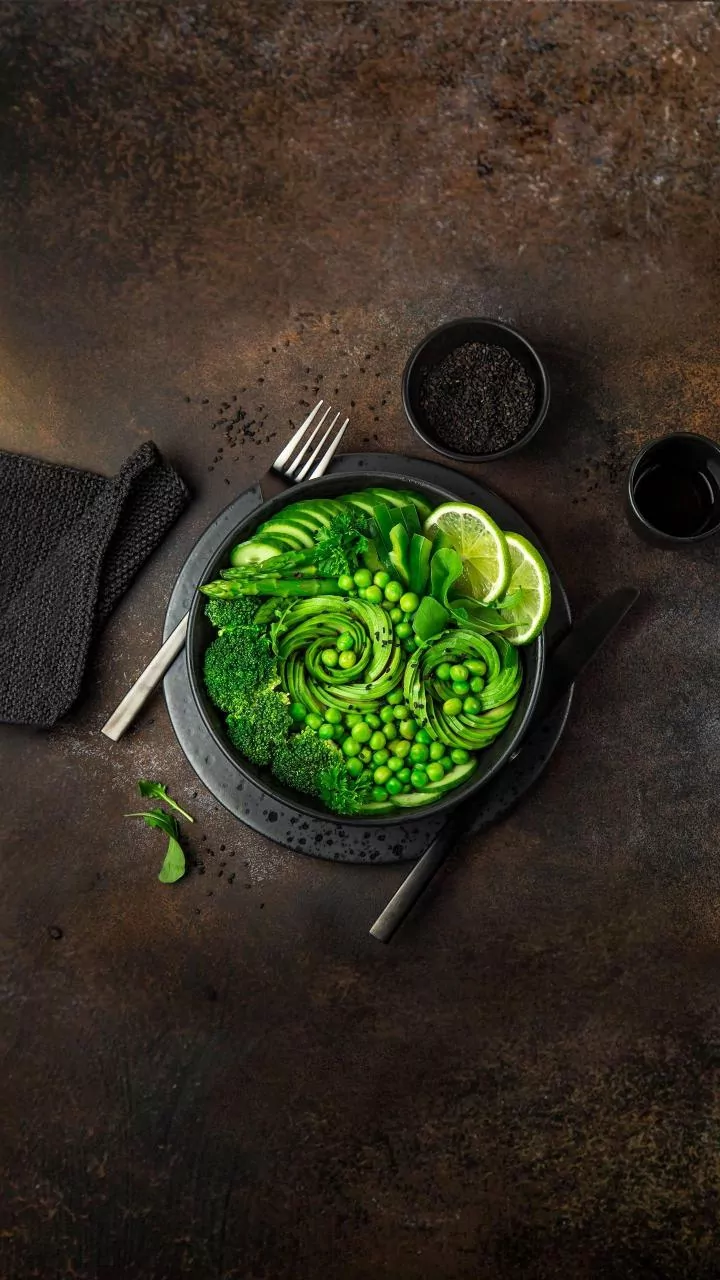
Instead of trying to micromanage individual bacterial species, a better approach is to cultivate a resilient and diverse microbial ecosystem. The most powerful tool for this is diet. Your gut microbes feed on what you eat, particularly dietary fiber from plants, which are known as prebiotics. A varied diet rich in different fruits, vegetables, whole grains, and legumes provides a wide range of fibers that support a diverse community of microbes. Each type of fiber feeds different bacteria, so variety is key. Fermented foods like yogurt, kefir, and sauerkraut can introduce live microbes, but a foundation of diverse, fiber-rich plant foods is what truly allows a robust microbiome to flourish and remain stable in the face of disturbances like stress, illness, or a course of antibiotics.