






Why Monsoon Magnifies the Risk
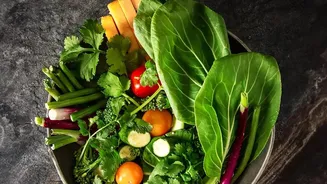
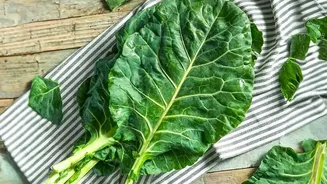
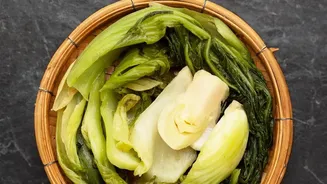
The high humidity and dampness of the rainy season create a perfect breeding ground for bacteria, fungi, and other microbes. Leafy vegetables, with their many folds and large surface areas, easily trap mud, tiny insects, and pathogens from contaminated
soil and water. This moisture not only accelerates spoilage but also increases the risk of food-borne illnesses like stomach infections, diarrhoea, and food poisoning if the greens are not handled correctly. While some may suggest avoiding these greens altogether, with careful inspection and proper cleaning, you can continue to enjoy their nutritional benefits safely.
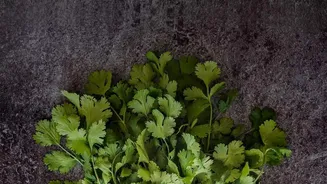
Coriander (Dhaniya): The Freshness Check
Coriander is a staple garnish, but its delicate leaves are particularly vulnerable in the monsoon. When shopping, look for vibrant green bunches with firm stems. Avoid any that look wilted, yellow, slimy, or have black spots. These are signs of decay. At home, the first step is to sort the leaves, discarding any that are damaged or discoloured. Do not wash coriander before storing; instead, shake off any loose dirt. The best way to clean it right before use is to rinse each part of the bunch under cool running water. For a more thorough clean, you can soak the coriander in a bowl of water with a bit of salt or vinegar for about 10-15 minutes, which helps dislodge hidden grit and microbes. Afterwards, rinse it again with fresh water.
Fenugreek (Methi): Tackling Mud and Pests
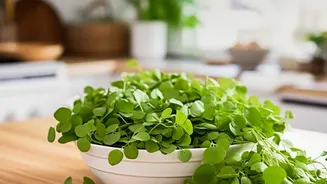
Methi leaves are notorious for having a lot of mud caked onto their roots and lower stems. When buying, inspect the bunch carefully. The leaves should be a healthy green, not yellow or spotted with rust, which can be a sign of fungal growth. Separate the leaves from the thick, muddy stems as soon as you get home. Before using, wash the leaves thoroughly. A good method is to submerge them in a large bowl of water, swirl them around to let the dirt settle, and then lift the leaves out. Repeating this process two or three times with fresh water is often necessary. A final soak in salt or vinegar water provides an extra layer of safety before a last rinse. This process helps ensure that no residual soil or pests make their way into your food.
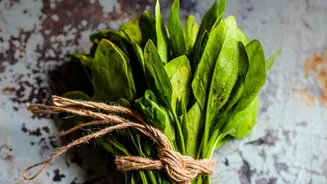
Spinach (Palak): Cleaning Its Broad Leaves
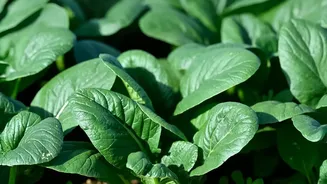
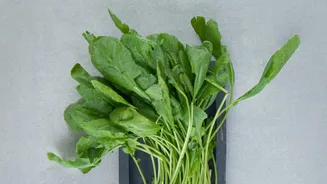
The broad, tender leaves of spinach are excellent at hiding dirt, grime, and the eggs of small insects. When purchasing, choose spinach with crisp, dark green leaves. Limp or soggy leaves indicate that the bunch is already starting to spoil. To clean spinach effectively, first separate the leaves and discard any that are yellowed or slimy. Rinse them well under running water. Then, soak the leaves in a basin of water for several minutes. You can add a pinch of turmeric or a spoonful of vinegar to the water as a natural disinfectant. Swirl the leaves gently, let any debris sink, and then lift the spinach out rather than draining the water, which can pour the dirt right back onto the leaves. Repeat with clean water until the water remains clear.
Smart Storage for Longer Freshness
Moisture is the biggest enemy of leafy greens, especially during the humid monsoon. The golden rule is to never wash these vegetables before storing them, as dampness will cause them to rot quickly. After bringing them home and sorting them, the key is to ensure they are as dry as possible. Pat them with a cloth if needed. Wrap the unwashed greens in a paper towel or a thin cotton cloth to absorb any excess moisture, then place them in a perforated or zip-lock bag. Store this in the vegetable crisper of your refrigerator. Properly stored, they can last for several days, but it's always best to buy in smaller quantities and use them within 3-4 days for optimal freshness.