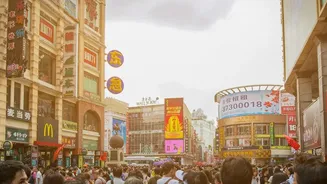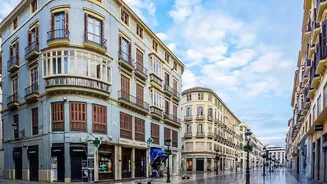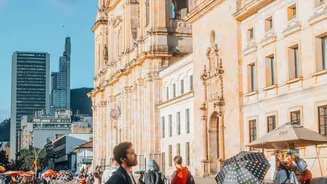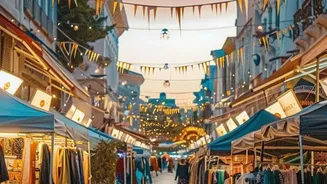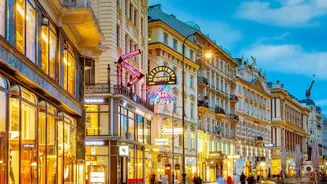





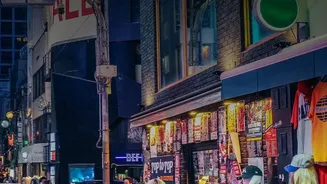
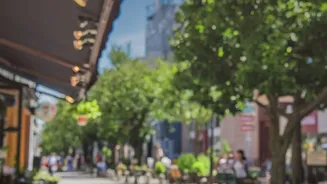
There’s a unique magic to stepping onto a street bustling with people, not cars. In cities across the globe, pedestrian-only zones are transforming how we shop, dine, and connect, proving that the simple act of walking has profound appeal.
The Core Benefits of Going Car-Free
Before diving
into specific examples, it's worth noting why pedestrianised streets are so successful. They create safer environments, drastically reducing traffic accidents. Economically, they are a boon for local businesses; studies show that pedestrians can spend up to 65% more than drivers, and redesigned car-free zones have been linked to huge boosts in retail sales and employment. Beyond commerce, these spaces foster a stronger sense of community. When people walk, they are more likely to interact with neighbours and engage in public life, leading to more vibrant and socially connected neighbourhoods. They also promote public health by encouraging daily physical activity and improving mental well-being.
Strøget, Copenhagen, Denmark
Often hailed as one of the world's oldest and longest pedestrian shopping areas, Strøget is more a network of streets than a single lane, stretching from City Hall Square to Kongens Nytorv. Its transformation began as a temporary trial in November 1962, a controversial idea at a time when cars were dominating city centres. Merchants feared it would kill business, but the experiment was a resounding success and made permanent in 1964. Today, it’s a vibrant mix of luxury brands, affordable chain stores, and charming squares. The name itself comes from the Danish word for 'to stroll', perfectly capturing the leisurely experience it offers to the tens of thousands of locals and tourists who walk it daily.
Rue Sainte-Catherine, Bordeaux, France
Stretching for 1.2 kilometres, Rue Sainte-Catherine is often cited as Europe's longest pedestrian shopping street. It follows the path of an ancient Roman road, meaning people have been trading along this route for nearly two millennia. Fully pedestrianised by 1984, this grand thoroughfare connects two major squares, Place de la Comédie and Place de la Victoire. The street is a shopper's paradise, offering a vast array of international brands and local boutiques that cater to every budget. Beyond retail, it’s a cultural artery of Bordeaux, reflecting the city’s spirit: elegant, historic, and welcoming. Its success lies in its blend of history and modern commerce, creating a space that feels both monumental and intensely social.
Third Street Promenade, Santa Monica, USA
An iconic Southern California destination, the Third Street Promenade offers a sun-soaked, open-air shopping experience just blocks from the Pacific Ocean. Originally converted into a pedestrian mall in 1965, it underwent a major revitalisation and reopened in its current, successful form in 1989. What was once a struggling district became a major draw for the entire Los Angeles area. It’s known not just for its mix of retailers, from major brands to designer outlets, but also for its lively atmosphere filled with street performers, a farmers' market, and unique public art, like its famous topiary dinosaurs. The Promenade proves that car-free zones can become cultural landmarks and economic engines, even in a city famously devoted to the automobile.
İstiklal Street, Istanbul, Turkey
Running from Taksim Square to the historic Tunel area, İstiklal Street is the bustling heart of modern Istanbul. This pedestrian thoroughfare is a dynamic blend of past and present, lined with grand 19th century buildings that now house global brands local shops art galleries cinemas and consulates. A historic red tram famously glides down its center but the street belongs to the millions who walk it. It serves as a primary social hub place where people from all walks of life gather. The street and its surrounding alleys offer a sensory feast from the aroma of roasted chestnuts to the sounds of street musicians embodying the city’s vibrant multicultural energy.