









The Promise of an Airborne Nation
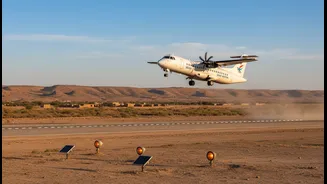
Launched in 2016, Ude Desh ka Aam Nagrik (UDAN) was a landmark initiative. The goal was simple yet transformative: connect India’s underserved and unserved airports, making it possible for someone in a Tier-2 or Tier-3 city to board a plane at a subsidised
fare. Airlines were given Viability Gap Funding (VGF) — a government subsidy — for three years to operate on commercially risky routes. This created a wave of new connections, linking remote towns and previously inaccessible regions to the national aviation map and bringing the convenience of air travel to millions for the first time.
Reality Check: A High Rate of Grounded Flights
Despite the initial success, the data reveals a sobering trend. According to recent reports from July 2026, of the 669 routes made operational since the scheme began, flights have been discontinued on almost half of them. As of today, only 336 routes remain active. This high attrition rate is not just a statistic; it represents a broken link for communities that had briefly tasted the benefits of rapid connectivity. For instance, routes connecting cities like Bidar and Kalaburagi in Karnataka were shuttered once the subsidy period ended, forcing residents back to longer, more arduous travel by road or rail.
Why the Dream Stalled: The Viability Gap
The primary reason for these closures is simple economics. The three-year VGF subsidy was designed to be a temporary bridge, with the expectation that routes would become self-sustaining as passenger demand grew. However, in many cases, that demand never materialised at a scale that could make the routes profitable without subsidies. Once the VGF support ended, airlines faced the stark choice of either hiking fares to cover their high operating costs or pulling out entirely. With low passenger loads at commercial prices, most chose the latter. This highlights a fundamental flaw: the model often rewarded participation in the scheme rather than the creation of truly sustainable, long-term routes.
Beyond Subsidies: Infrastructure and Network Hurdles
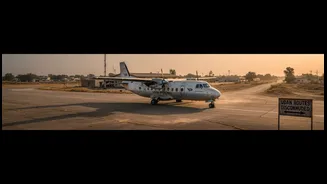
The problem isn't just about money. Many regional airlines, which are the backbone of the UDAN scheme, are financially fragile and operate on thin margins. Furthermore, a successful regional flight network can't exist in isolation. Airlines have repeatedly pointed out the need for access to major metro airports like Delhi and Mumbai. Without landing slots at these hubs, it's impossible to create a 'hub-and-spoke' model that allows passengers from small towns to connect seamlessly to major cities and onward destinations. Additionally, many designated UDAN airports were not upgraded in time, leaving airlines with awarded routes but no functional runway to land on, causing immense financial strain.
Key Lessons and the Path Forward
The experience with discontinued UDAN routes offers critical lessons. First, affordability cannot be pursued at the expense of commercial viability. Demand needs to be realistically assessed, not just assumed. Second, a holistic approach is necessary; building an airport is pointless without ensuring the infrastructure, airline health, and network integration are in place to support it. The government seems to have acknowledged these issues. A revamped scheme, Viksit UDAN, has been launched with a significantly larger budget. Crucially, it extends the subsidy period from three to five years, giving airlines a longer runway to build demand. This reboot is a tacit admission that the original model was not sustainable.