




The Universal Language of Chai and Pakoras
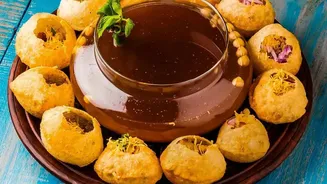
Across the subcontinent, the most immediate and widespread response to a downpour is the pairing of hot, spiced tea and deep-fried snacks. Whether they are called pakoras, bhajis, or bondas, these crispy fritters feel like a national uniform for the monsoon.
There's a simple science to this craving: as the dampness and gloom set in, our bodies instinctively seek warmth and energy. Calorie-dense fried foods served hot provide an instant feeling of comfort and can even trigger a dopamine response, lifting spirits on a grey day. This physiological impulse is layered with decades of cultural conditioning, where the sound of rain has become inextricably linked with the sizzle of a frying pan and the aroma of ginger in tea.
Eastern Comfort: Bengal’s Love Affair with Khichuri
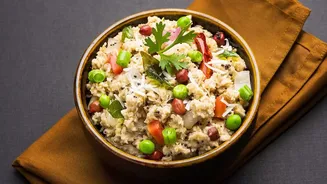
In West Bengal, the monsoon is synonymous with a specific, almost sacred culinary ritual: a steaming plate of khichuri paired with Ilish maach bhaja (fried Hilsa fish). The simple, one-pot meal of rice and lentils is elevated from a convalescent's diet to a celebratory feast. Cooked with fragrant spices, vegetables, and a dollop of ghee, the khichuri is both nourishing and deeply satisfying. The arrival of the monsoon also marks the peak season for Hilsa, a fish prized for its rich flavour and delicate texture. The crispy, salt-kissed fried fish, often served with its roe, provides a perfect textural and flavour contrast to the soft, yielding khichuri, creating a meal that is a cultural emblem of the Bengali rainy day.
Western Winds and Roadside Delights
Along India's western coast, the monsoon menu is often enjoyed on the go. In Maharashtra, the first showers bring out vendors selling roasted corn on the cob (bhutta), rubbed with salt, chilli, and lime. The quintessential rainy-day snack, however, is Kanda Bhaji—crispy, deep-fried onion fritters, best eaten piping hot with a cup of tea. This simple pleasure is rivalled only by the iconic Vada Pav, where a spicy potato fritter is tucked into a soft bread roll. Further inland, a more rustic comfort is found in Pithla Bhakri, a humble yet flavourful curry made from chickpea flour, served with flatbread made from millet, offering a wholesome shield against the rain-induced chill.
Southern Soothers: Steamed, Spiced, and Souped
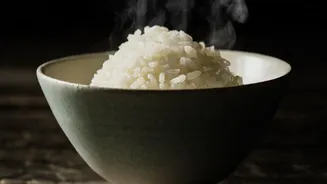
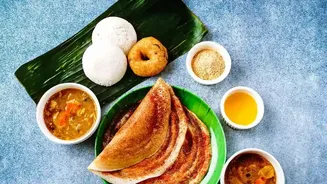
In the South, the kitchen’s response to the monsoon is often gentler. In Kerala, where the monsoon makes its first dramatic entry, the focus shifts to both fried and steamed snacks. Pazhampori, ripe banana fritters, are a tea-shop staple, offering a sweet counterpoint to the weather. But there is also an array of steamed delicacies like Kozhukatta (rice dumplings) and warming, medicinal porridges like Karkidaka Kanji, a rice-based gruel cooked with herbs to boost immunity during the season. Across the southern states, a bowl of hot, peppery Rasam serves as a comforting soup, clearing the senses and warming the body from the inside out.
The Wisdom Behind the Craving
While the heart craves fried food, traditional wisdom, particularly from Ayurveda, offers a different perspective for the season. During Varsha Ritu (the monsoon), digestion is believed to become sluggish and weak. Consequently, the ideal diet consists of foods that are warm, light, and easy to digest. This is where khichdi, in its simplest form, shines as the perfect monsoon meal—balancing protein and carbohydrates in a single, easily digestible pot. Ayurveda advises against cold, raw foods like salads and recommends incorporating warming spices like ginger, turmeric, and black pepper to aid digestion and bolster immunity. It’s a gentle reminder to balance indulgence with wellness, ensuring the body remains healthy through the damp months.