




The New Reality of a Reduced Appetite
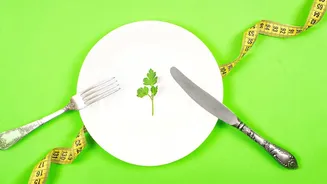
Medications like Ozempic (semaglutide) and Mounjaro (tirzepatide) work by mimicking hormones that tell your brain you're full, which can dramatically reduce your overall food intake. While this leads to weight loss, it also shrinks the window of opportunity
to get the vitamins, minerals, and protein your body needs to function. When you're eating significantly less, the quality of your calories becomes more important than ever. This isn't just about weight loss anymore; it's about sustaining your health, energy, and strength during the process. Some users find the appetite suppression so effective that they forget to eat, which can lead to unintended consequences like dehydration and malnutrition.
The Dangers of Empty Calories
What are "empty calories?" They come from foods and drinks that are high in calories but offer little to no nutritional value—think chips, candy, sugary sodas, and highly processed snacks. When your total daily calorie intake is low, filling up on these foods can be particularly risky. The body, deprived of essential building blocks, may start breaking down muscle tissue for energy, leading to a loss of strength and a slower metabolism. Studies have shown that users of these medications can be at risk for deficiencies in key nutrients like Vitamin D, B vitamins, iron, and calcium. These shortfalls don't just happen on a spreadsheet; they can manifest as fatigue, hair loss, brain fog, and a weakened immune system.
Make Protein Your Priority
If there's one nutrient to focus on, it's protein. Consuming adequate protein is crucial for preserving lean muscle mass during weight loss. Without it, a significant portion of the weight you lose could be muscle instead of fat, which can undermine your long-term health and make it harder to keep the weight off. Aim to include a source of protein in every meal and snack. Good, well-tolerated options include lean chicken and fish, eggs, Greek yogurt, cottage cheese, tofu, and beans. If solid food feels unappealing, a protein shake can be an effective way to meet your daily needs without feeling overly full.
Embrace Nutrient-Dense Eating
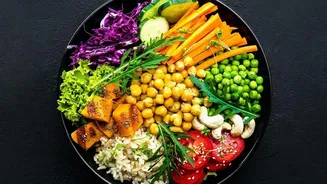
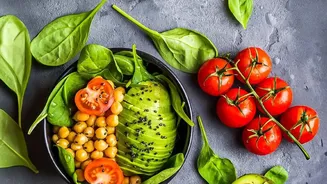
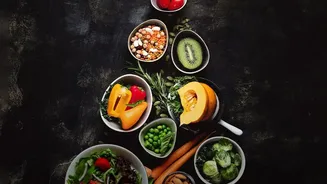
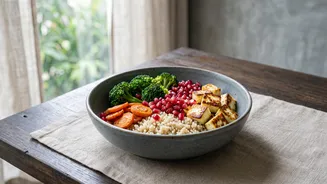
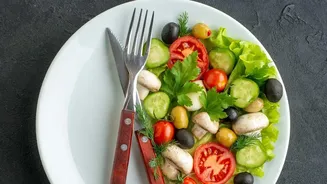
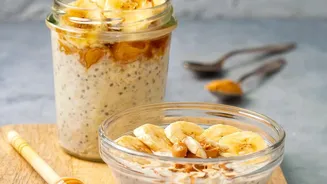
Nutrient-dense foods are the opposite of empty calories; they pack a high amount of vitamins, minerals, and fiber relative to their calorie count. Building your smaller meals around these foods ensures your body gets what it needs to thrive. Focus on a colorful variety of non-starchy vegetables like spinach, broccoli, and bell peppers. Incorporate fruits, whole grains like oats and quinoa, and healthy fats from sources like avocado and nuts. These foods not only provide essential micronutrients but also contain fiber, which aids digestion—a common concern for those on GLP-1 medications. Eating this way helps provide sustained energy and promotes a feeling of well-being, rather than the fatigue that can accompany a nutrient-poor diet.
Practical Tips for Making It Work
Adjusting to a low appetite can be a major shift. Instead of three large meals, try eating smaller, more frequent nutrient-rich mini-meals or snacks every few hours to keep your energy levels stable and prevent feeling overwhelmed by a large plate. Since greasy or very sugary foods can sometimes worsen gastrointestinal side effects like nausea, opting for simpler, plainer foods can help. Prioritize eating your protein and nutrient-dense foods first, before you fill up on other items. And remember to stay hydrated, primarily with water, to support digestion and overall health. Planning your meals can help you make deliberate, healthy choices instead of grabbing whatever is easiest when hunger finally, and perhaps faintly, strikes.