



A Quest for Authenticity
In a world saturated with generic fast food and homogenised global trends, many younger Indians are seeking something more genuine. This has sparked a renewed interest in regional and hyper-local cuisines that were once confined to family kitchens. There's
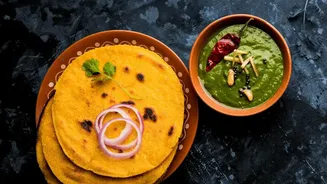
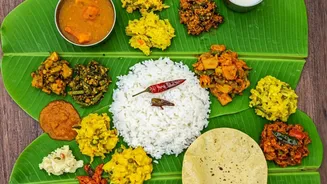
a growing appreciation for the nuance and diversity of India's culinary heritage, moving beyond the standard North Indian curries that once dominated restaurant menus. Chefs and food revivalists are actively documenting and popularising forgotten recipes, from the steamed 'handvo' of Gujarat to Odisha's 'pakhala bhata'. This movement isn't about rejecting modernity; it's about expanding the definition of Indian food and connecting with a cultural identity that feels rooted and real.
The Health and Wellness Factor
A significant driver behind this rediscovery is a growing emphasis on health and wellness. Younger diners are increasingly aware of what goes into their food and are seeking nutritious meals that don’t compromise on flavour. This has led to a major comeback for traditional grains like millets, once considered 'poor man's food'. Varieties like ragi, jowar, and bajra are being celebrated for their numerous health benefits, such as being gluten-free, rich in minerals like calcium and iron, and having a low glycemic index, which helps in managing blood sugar. The ancient wisdom embedded in traditional cooking—from fermentation to the use of local, seasonal produce—is now being viewed as a modern solution for a healthier lifestyle.
Social Media's Visual Feast
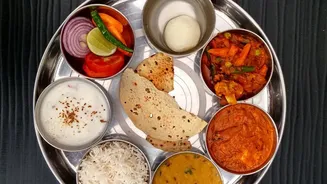
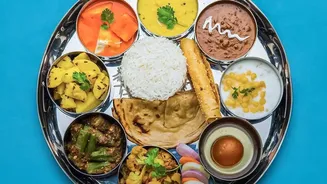
Social media platforms like Instagram and YouTube have played a massive role in this culinary revival. Visually appealing content has transformed traditional Indian food from something mundane into something aspirational. Food bloggers and influencers showcase the vibrant colours of a perfectly plated thali or the intricate process of making a regional delicacy, making heritage cooking accessible and exciting for a new generation. Hashtags like #IndianCooking and #DesiFood spread trends rapidly, while short-form videos and online tutorials demystify complex recipes, encouraging even novice cooks to try their hand at making family recipes from scratch. This digital storytelling helps preserve traditions and fosters a sense of community around shared culinary experiences.
The Rise of the Home Chef
The pandemic acted as a catalyst, but the trend of home chefs turning their passion into a profession was already brewing. Many talented home cooks, who were the keepers of generations-old family recipes, have started small businesses, offering authentic, regional meals through delivery apps and pop-up events. This movement provides a powerful alternative to standardised restaurant fare, offering meals that are comforting, hygienic, and deeply personal. For many urban dwellers living away from home, these home chefs fill a crucial void, providing a nostalgic taste of home-cooked food. Platforms dedicated to discovering these home kitchen talents are helping to professionalise the space, giving these chefs a wider audience.
Nostalgia, Comfort, and Identity
Ultimately, this trend is deeply personal. For many young people, food is a powerful link to their family, community, and heritage. In a fast-paced, often disconnected urban life, a familiar dish can provide immense comfort and a sense of belonging. Learning to cook a grandmother's recipe is not just about the food itself; it's about preserving a memory and connecting with one's roots. As young people navigate their modern lives, they are finding that traditional food offers a way to balance global exposure with local comfort, creating an identity that is both contemporary and deeply anchored in tradition.