




From Exotic Fruit to Local Crop
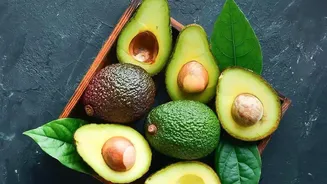
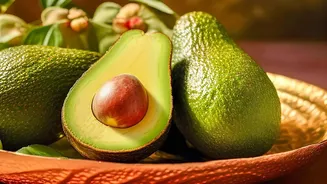
For many, the avocado still feels like an imported luxury. Originally from Mexico and Central America, the fruit, often called 'butter fruit' in India, was introduced via Sri Lanka in the early 20th century. For decades, its cultivation remained limited
to small pockets in southern states like Tamil Nadu, Kerala, and Karnataka, as well as Sikkim. However, with growing awareness of its health benefits and rising domestic demand, avocado farming is gaining momentum. While India still imports a significant amount of avocados to meet demand, the rise of local cultivation in places like Wayanad in Kerala signifies a shift. This growing availability is empowering chefs and home cooks to move beyond its use in Western-style salads and smoothies and truly make it their own.
The Guacamole Makeover
The most famous avocado dish, guacamole, is getting a distinctly Indian makeover. While the core idea of a mashed avocado dip remains, the flavour profile is shifting. Instead of just lime and cilantro, Indian versions are infused with ginger-garlic paste, chaat masala, and green chillies. Some recipes even incorporate a tadka (tempering) of mustard seeds and curry leaves, borrowing from South Indian traditions to create a richer, more complex dip. This isn't just a simple substitution; it's a reinterpretation that respects the avocado's texture while grounding it firmly in the Indian palate. It serves as a creamy, cooling counterpoint to spicy snacks, much like a traditional raita.
A Creamy Twist on Chutneys and Raitas
Perhaps the most natural fit for avocado in Indian cuisine is in chutneys and raitas. Its creamy consistency makes it a perfect base, offering a dairy-free alternative to yogurt or a smooth complement to traditional ingredients. Avocado green chutneys blend the fruit with classic ingredients like coriander, mint, green chillies, and lemon juice for a vibrant, spicy, and tangy condiment. It pairs beautifully with everything from dosas and idlis to pakoras and chaat. Similarly, avocado raita, where mashed avocado is mixed into yogurt with roasted cumin powder and black salt, provides a cooling, nutrient-dense side dish for biryanis and spicy curries. This demonstrates a key principle of Indian culinary innovation: adapting a new ingredient to serve a familiar purpose.
Reinventing the Daily Bread
One of the most creative applications of avocado is in Indian flatbreads. Avocado parathas have become incredibly popular, and for good reason. The mashed fruit is kneaded directly into the whole wheat flour along with spices like ajwain (carom seeds), cumin, and chilli powder. The natural fats in the avocado make the dough incredibly soft and pliable, resulting in parathas that are tender and moist without needing a lot of oil or ghee for cooking. This makes for a healthier, more nutrient-rich version of a beloved breakfast staple. It's a perfect example of how a modern health food can be seamlessly integrated into a traditional recipe to enhance both flavour and nutrition.
Beyond the Savoury
The avocado's versatility doesn't stop at savoury dishes. Its creamy texture and mild flavour make it an excellent ingredient for drinks and even desserts. The avocado lassi is a prime example, where the fruit is blended with yogurt, a sweetener, and often a hint of cardamom or rosewater. The result is a smoothie-like beverage that is thicker and arguably richer than its traditional mango counterpart. This creative leap shows that Indian cooks are not just using avocado as a substitute but are exploring its inherent properties—like its healthy fats and creamy mouthfeel—to create entirely new culinary experiences that are both indulgent and wholesome.