



The Birth of the Microbite
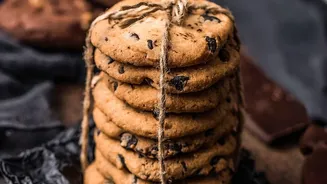
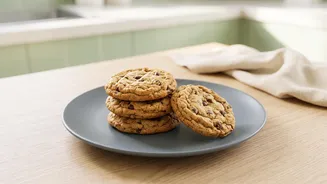
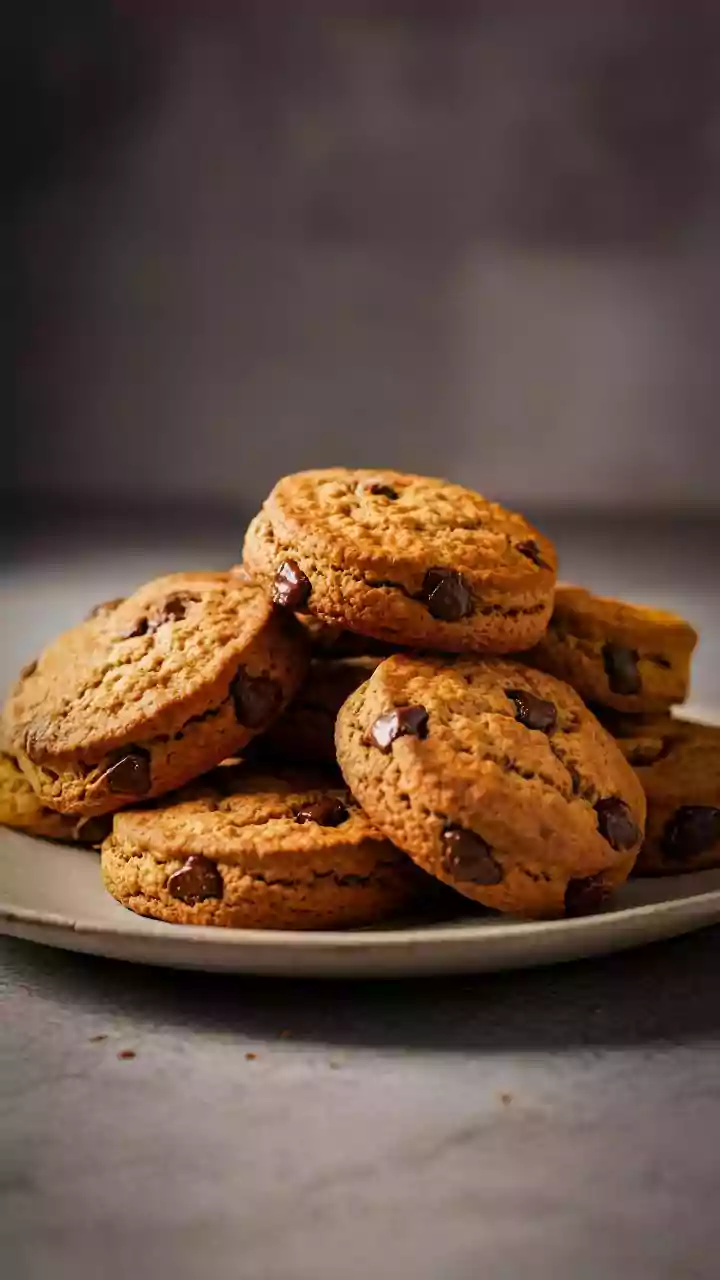
Scientists at Southern Illinois University Carbondale have developed a prototype food they call the µBite, pronounced 'microbite'. These protein-rich cookies are the product of a novel process that upcycles one of the world's most common pollutants—polyethylene
terephthalate (PET) plastic—and combines it with agricultural waste. The project, which was presented at the American Chemical Society's Fall 2026 meeting, initially started as a way to create more valuable products from plastic waste. The researchers then pivoted, asking a simple but profound question: since plastic is carbon and food is carbon, why not make food? This effort is also part of a NASA project to develop sustainable food technologies for long-duration space missions.
Breaking Down the Unbreakable
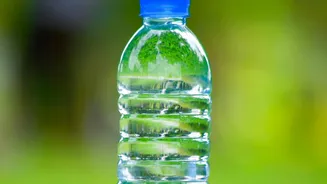
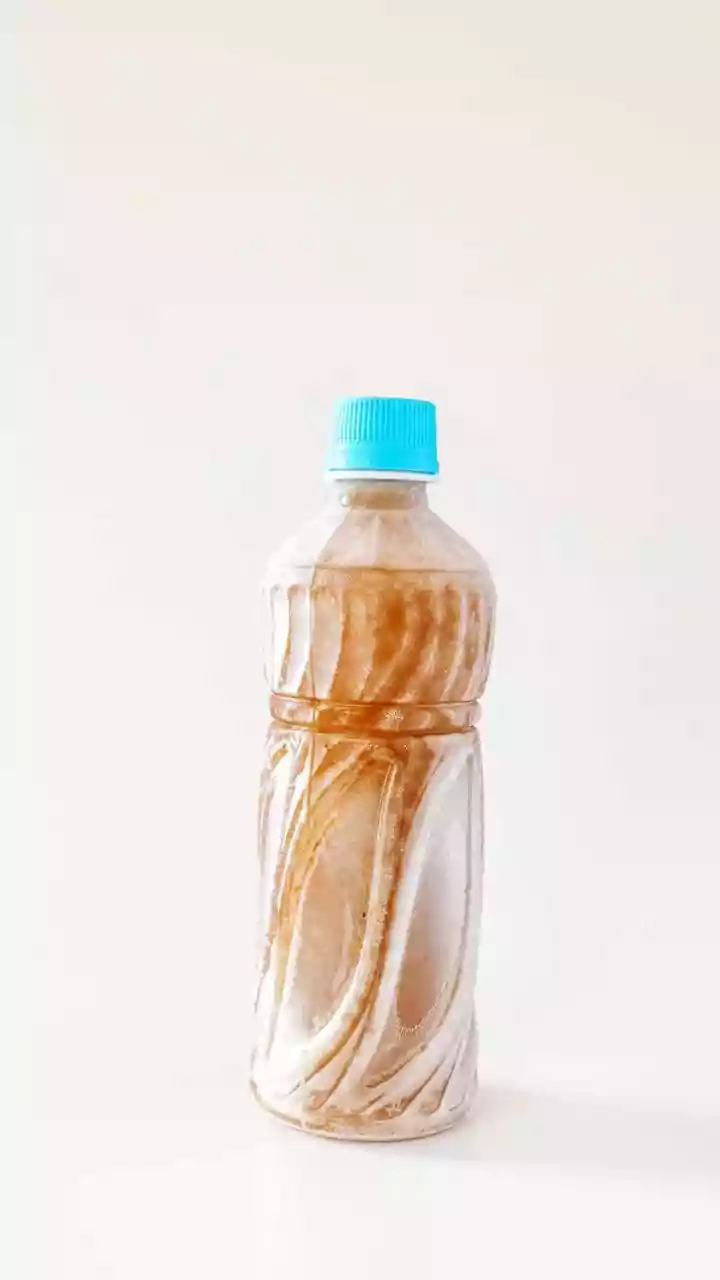
The first major challenge is breaking down the durable chemical structure of a PET bottle. The process doesn't involve simply grinding up plastic. Instead, the researchers use a proprietary method called oxidative hydrothermal dissolution. This technique uses water and oxygen at high temperatures and pressures to deconstruct the tough plastic and plant biomass, like corn stalks, into smaller molecular compounds. This essentially creates a feedstock of accessible carbon that is broken down enough for the next, even more amazing, step: feeding it to microbes.
The Role of Engineered Yeast
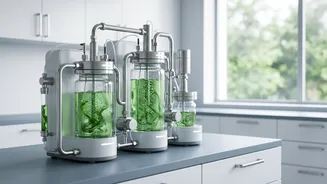
Once the plastic is broken down into a more digestible form, specially programmed yeasts get to work. Using genetic engineering, scientists modified several strains of yeast, including common baker's yeast, to metabolize these carbon-rich fragments. Instead of feeding on sugar, these microbes consume the compounds derived from the plastic and crop waste. Through fermentation, the yeasts convert this material into entirely new substances: proteins, fats, and other beneficial nutrients. This isn't as strange as it sounds; engineered microbes have been used for decades to safely produce everything from life-saving medicines like insulin to common food ingredients.
From Biomass to Baked Good
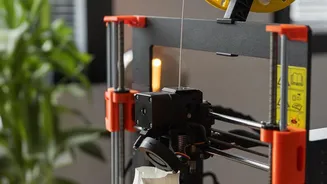
The microbial process yields a nutrient-rich biomass. To make this palatable, researchers are engineering the yeast to produce other desirable compounds. One strain can create beta-carotene, a precursor to Vitamin A, from an ethylene glycol compound found in PET. Another is programmed to produce vanillin—the compound responsible for vanilla's distinct aroma—from plant waste. This biomass is then mixed with traditional ingredients like starch and fiber to create a dough-like paste. Finally, a 3D printer extrudes this paste into the shape of a cookie, which is then cooked. The result is the µBite, a snack born from materials that would otherwise pollute a landfill.
Safety, Taste, and the Future
The most pressing questions are about safety and taste. The researchers state that the final product does not contain plastic particles; the plastic has been chemically transformed into new, edible molecules. While initial data suggests the cookies are safe, they are still a laboratory prototype and have not yet undergone official taste tests pending institutional approval. However, initial feedback on the vanilla-scented aroma has been positive. The path to supermarket shelves is long. The process is currently expensive, costing an estimated $60 per kilogram, and scaling up the high-pressure reactors needed for the initial breakdown is a significant engineering hurdle. Nonetheless, the technology holds promise for specific applications, such as feeding astronauts on Mars or providing emergency nutrition in disaster zones where resources are scarce.