






Singapore Botanic Gardens: A UNESCO Treasure
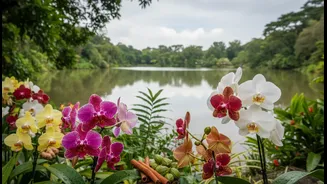
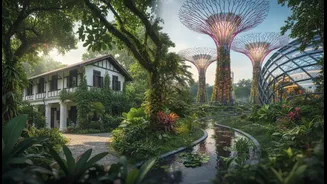
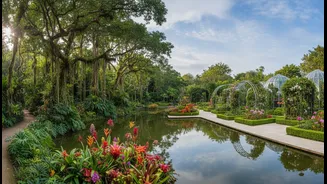
The nation’s first and only UNESCO World Heritage Site is the Singapore Botanic Gardens, a lush, 82-hectare tropical paradise founded in 1859. More than just a beautiful park, it’s a living museum and a crucial part of the island's history. In the late
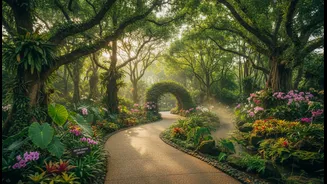
19th century, its first scientific director, Henry Nicholas Ridley, pioneered rubber extraction techniques that fuelled the region's economic boom. This historic garden is one of only three botanic gardens worldwide to hold the prestigious UNESCO title, and it's the only tropical one. Visitors can explore centuries of botanical heritage, but the star attraction for many is the National Orchid Garden. It houses the world’s largest collection of orchids, with over 1,200 species and 2,000 hybrids on display, cementing Singapore's status as a leader in orchid cultivation.
Gardens by the Bay: A Vision of the Future
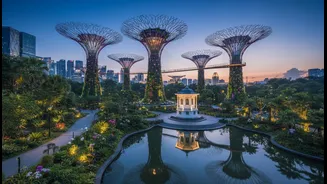
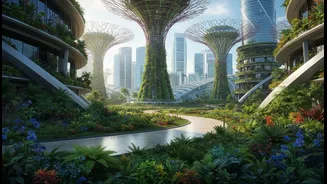
In stark contrast to the Botanic Gardens' colonial-era charm, Gardens by the Bay presents a futuristic spectacle of horticultural artistry. Opened in 2012 on 101 hectares of reclaimed land, this park is a cornerstone of Singapore's 'City in a Garden' ambition. Its most iconic features are the Supertrees, giant vertical gardens ranging from 25 to 50 metres tall. These man-made marvels are covered in over 200 species of plants and come alive at night with a dazzling light and sound show. The park also features two massive cooled conservatories: the Flower Dome, which replicates a cool-dry Mediterranean climate, and the Cloud Forest, a cool-moist environment complete with a 35-metre indoor waterfall. These architectural wonders showcase plants from around the globe that couldn't otherwise survive in Singapore's tropical heat.
Fort Canning Park: History on a Hill
For a garden experience steeped in centuries of history, Fort Canning Park offers a tranquil green space right in the city's heart. Once known as 'Forbidden Hill,' it was the site of palaces for 14th-century Malay kings. Later, it became a strategic military hub for the British, who built a fort there in the 19th century. The decision to surrender Singapore to the Japanese in 1942 was made in an underground command centre here. Today, the park blends its rich past with recreational calm. Visitors can walk among ancient artefacts, explore colonial-era ruins, and visit the Spice Garden, which highlights the trade that first drew the British to the region. It’s a place where layers of Singapore’s history can be uncovered beneath a canopy of mature trees.
Sungei Buloh: A Walk on the Wild Side
Proving that Singapore’s greenery is not just about curated gardens, the Sungei Buloh Wetland Reserve offers a glimpse into the island’s wilder side. As Singapore's first gazetted wetlands reserve, this 202-hectare expanse of mangroves, mudflats, and forests is a crucial stopover for migratory birds on the East Asian-Australasian Flyway. From September to March, birdwatchers flock here to spot species like sandpipers and plovers. The reserve is also a sanctuary for native wildlife, including water snakes, monitor lizards, and the occasional estuarine crocodile. Its network of boardwalks and trails allows visitors to immerse themselves in a rich mangrove ecosystem, a world away from the manicured lawns of the city parks.
Jewel Changi Airport: Where Nature Meets Transit
Nowhere is Singapore's integration of nature into urban life more evident than at Jewel Changi Airport. This nature-themed retail and entertainment complex has at its centrepiece the HSBC Rain Vortex, the world's tallest indoor waterfall at 40 metres high. This stunning cascade is encircled by the Shiseido Forest Valley, a five-story indoor garden with thousands of trees and shrubs from across the globe. Open to the public without needing a boarding pass, Jewel has transformed the airport from a simple point of transit into a destination in its own right. It represents the pinnacle of modern, biophilic design, proving that even the most functional spaces can be infused with natural wonder.