








Remembering Clove's True Flavour
Cloves are the unopened, dried flower buds of an evergreen tree, and they pack a serious punch. Their flavour profile is intensely warm, sweet, and aromatic, with a distinct peppery and slightly bitter finish. This complexity comes from a compound called
eugenol, which gives cloves their signature scent and warming sensation. While often associated with festive winter baking and mulled drinks, this spice is far too versatile to be pigeonholed. Its assertive character means a little goes a long way, making it a perfect partner for both bold and subtle ingredients when used with a gentle hand. The key is to see it not as a medicine, but as a dynamic flavouring agent waiting to transform your dishes.
The Timeless Pair: Clove and Apple
The combination of apple and clove is a classic for a reason. Clove’s fiery warmth beautifully cuts through and complements the sweet-tartness of apples. While apple pie and crumbles are the most famous examples, this duo has so much more to offer. Think of a spiced apple chutney served alongside roasted pork, where the clove adds a savoury depth. You can also stew apples with a few whole cloves for a simple, elegant dessert that can be served warm or cold, perhaps with a dollop of yogurt. Even a simple breakfast can be elevated by adding diced apple and a couple of whole cloves to your morning oatmeal. For a comforting beverage, simmering whole cloves in apple cider creates a fragrant, warming drink that is perfect for a cool evening.
The Surprise Romance: Clove and Chocolate
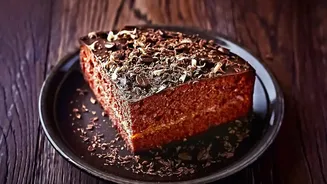
Pairing clove with chocolate might seem unusual, but it’s a combination that masterfully balances sweetness with spice. The key is moderation. A tiny pinch of ground clove can add an incredible, almost mysterious, depth to chocolate's richness without overpowering it. It works by adding a layer of warmth that enhances the cocoa notes. Try adding a hint of ground clove to your next batch of chocolate brownies or a cup of rich hot chocolate. In savoury cooking, a spice rub featuring cocoa and a touch of clove can create a fantastic crust on meats. The combination is also found in complex baked goods, like certain spice cookies, where clove and chocolate create a sophisticated flavour profile.
The Bright Balance: Clove and Citrus
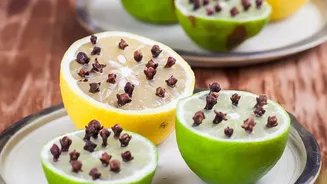
When the deep, moody warmth of clove meets the bright, zesty notes of citrus, magic happens. Orange and clove is a particularly famous pairing, often seen in mulled wine or when studding a baking ham. The citrus acidity provides a perfect counterpoint to the clove’s intensity. This pairing is the foundation of a classic pomander, where whole cloves are studded into an orange to perfume the air, a testament to how well their aromas blend. In the kitchen, you can create a simple syrup infused with cloves and citrus peels to use in drinks or as a glaze. A warm drink made with hot water, a few cloves, and a squeeze of fresh lemon or lime juice can be a wonderfully soothing beverage, enjoyed purely for its comforting taste and aroma.
A Cook’s Guide to Using Cloves
To get the best from cloves, it’s important to know how to handle them. Whole cloves are best for infusions, like in sauces, syrups, or beverages. They release their flavour slowly. Just remember to remove them before serving, as biting into a whole clove is an unpleasantly potent experience. A useful tip is to count how many you put in so you can be sure to take them all out. Ground cloves are much more potent and are best for baked goods and spice blends where you want the flavour fully integrated. However, ground cloves lose their aromatic oils more quickly, so it's best to buy them in small quantities or grind them yourself from whole cloves for the freshest flavour. Always start with a small amount; you can always add more, but you can’t take it away.