





A Culinary Mission to the Stars
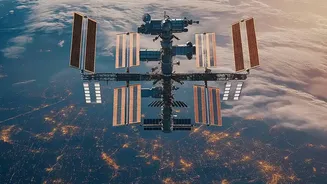
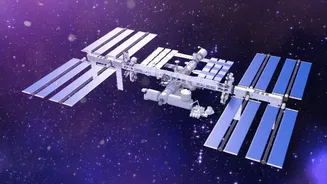
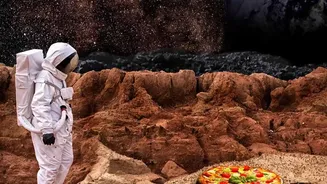
The Axiom Mission 4 (Ax-4) was a landmark private spaceflight to the International Space Station (ISS), crewed by an international team that included Indian Air Force pilot Shubhanshu Shukla. While the mission's primary goals were scientific, it also
became a platform for cultural diplomacy through food. Astronauts from different nations brought dishes from their home countries, creating a shared culinary experience in orbit. For Shukla, this meant bringing the comforting flavours of India to the final frontier. The effort was a collaboration between ISRO and the Defence Food Research Laboratory (DFRL) in Mysuru, an institution with a long history of developing specialized foods, including for India's first astronaut, Rakesh Sharma, in 1984.
The Ultimate Kitchen Test: Zero Gravity
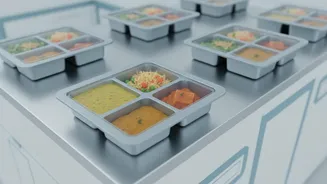
Getting food ready for space is an immense scientific challenge. It’s not just about taste; it's about physics and biology. Space food must be lightweight to save on launch costs, have a long shelf life without refrigeration, and be nutritionally dense. Most critically, it must be safe to eat in microgravity. Crumbs are a major hazard, as they can float into and damage sensitive equipment or be inhaled by astronauts. This means foods must be specially processed to be non-crumbly. Furthermore, spicy and excessively oily foods are generally avoided, and every meal must be easy to digest while providing balanced nutrition for astronauts whose bodies are under the unique stresses of spaceflight.
The Chosen Few: Halwa and Aamras
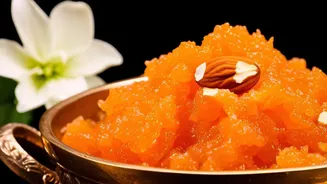
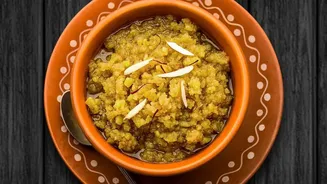
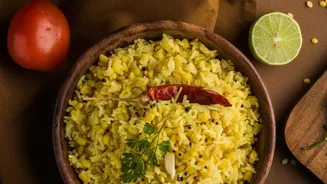
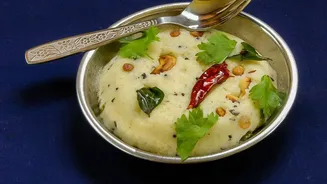
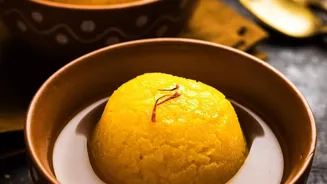
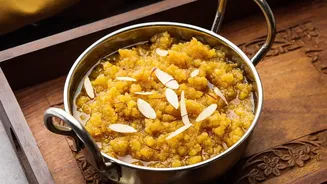
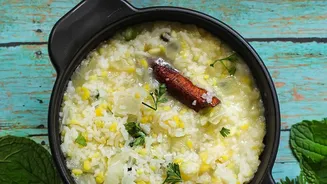
The DFRL prepared an extensive menu of Indian dishes for consideration, including favourites like khichdi and vegetable pulao. However, after rigorous testing against NASA's strict flight-readiness criteria, only three desserts were ultimately certified: Moong Dal Halwa, Gajar ka Halwa, and Aamras (mango pulp). According to a recent interview with Shukla, these were the items that successfully met the deadline and all technical requirements. The halwas, made from lentils and carrots respectively, are dense, moist, and have a texture that holds together well, minimizing the risk of floating particles. Aamras, a smooth pulp, could be packaged in a way that allows for easy and safe consumption through a sipper.
Why Other Sweets Didn't Make the Cut
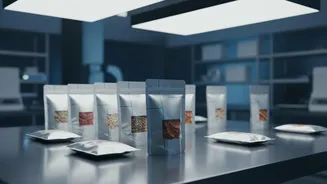
Many beloved Indian desserts face significant hurdles in a zero-gravity environment. Sweets like ladoos or barfis, while delicious, can be crumbly. Syrupy desserts like gulab jamun or rasgulla present containment challenges, although scientists have explored freeze-drying techniques to make them space-viable in the future. The key is ensuring the food's structure remains stable from launch to consumption. The three approved desserts struck the right balance between authentic flavour and the demanding technical specifications required for astronaut safety and mission integrity. They were processed using advanced preservation techniques like freeze-drying to ensure they remained safe and palatable for months.
More Than Just a Meal
For astronauts on long-duration missions, food is a critical component of psychological well-being. Far from home, in a confined and sterile environment, familiar tastes can provide immense comfort, reduce stress, and boost morale. Sharing these meals also fosters camaraderie among the international crew. Shukla noted how happy he was to share these dishes with his colleagues on the ISS. The presence of Gajar ka Halwa and Moong Dal Halwa on the space station wasn't just a novelty; it was a powerful link to home, tradition, and culture, demonstrating that even hundreds of kilometres above Earth, the simple joy of a familiar dessert holds profound importance.