



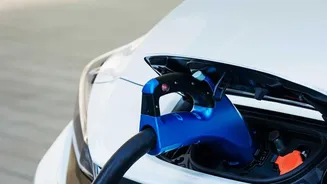
India’s electric vehicle market just had a blockbuster October. Passenger EV sales jumped by over 76% compared to last year, signalling a major shift in consumer appetite. But this isn't just about a single month's numbers; it's a story about what happens
when technology, policy, and market readiness finally align.
The Numbers Behind the Surge
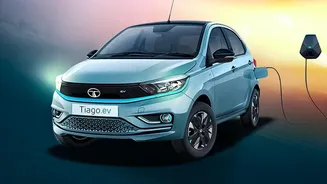
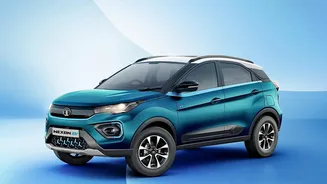
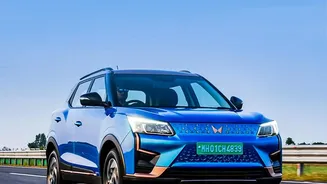
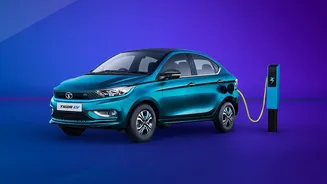
October 2026 saw approximately 37,000 electric passenger vehicles sold in India, a massive 76.5% year-on-year increase from the roughly 21,000 units sold in October 2025. This performance is significant because it highlights sustained momentum, marking the fifth consecutive month that sales have crossed the 30,000-unit threshold. While sales saw a slight dip from a record-breaking September, the year-on-year growth is what tells the real story. Domestic automakers are firmly in the driver's seat. Tata Motors continued its reign, commanding about a 40% market share with over 14,600 cars sold. Hot on its heels, Mahindra has solidified its number two position with an impressive 85% annual growth, selling around 8,500 EVs and capturing nearly 24% of the market. Together, these two Indian giants control almost two-thirds of the entire electric car space.
More Than Just Festive-Season Buzz
While the festive season undoubtedly provides a sales lift, the October surge points to deeper, more sustainable drivers of growth. A key factor is the expanding portfolio of vehicles available to Indian consumers. Models like the Tata Punch.ev are making waves by offering an affordable electric SUV option, a segment that is rapidly gaining traction. The success of such models proves that the market is hungry for practical, competitively priced EVs that fit the needs of Indian families. Furthermore, the narrative around EVs is changing. What was once seen as a niche or experimental purchase is now becoming a mainstream consideration. EVs accounted for 7.3% of all passenger vehicle sales in October, more than double their 3.5% share just a year prior. This demonstrates a fundamental shift in consumer mindset, driven by factors like rising fuel prices, lower running costs, and increasing environmental awareness.
The Policy Push and Charging Confidence
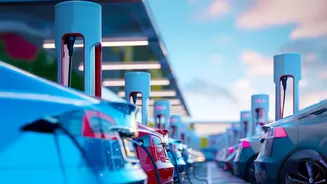
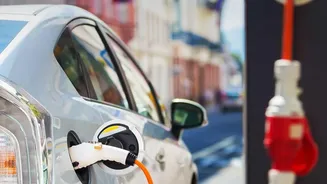
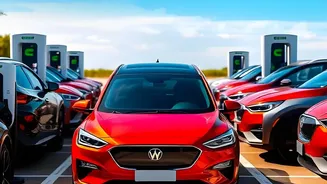
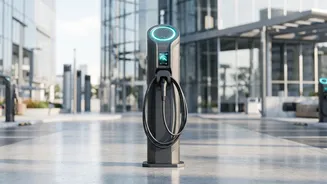
Government incentives have been crucial in creating this momentum. While the current central government scheme, PM E_DRIVE, does not offer direct subsidies for private electric cars, its focus on electrifying commercial fleets and two_wheelers has a significant spillover effect. The scheme's heavy investment in charging infrastructure—allocating ₹2,000 crore to install over 72,000 public chargers—is directly tackling one of the biggest barriers to EV adoption: range anxiety. As of mid_2026, India had over 52,000 public charging stations, with a growing number of them being DC fast chargers suitable for highway travel. This expanding network gives potential buyers the confidence that they can travel longer distances without being stranded, making an EV a much more viable primary vehicle.
A Competitive Market Heats Up
The dominance of Tata and Mahindra is not going unchallenged. The market is becoming increasingly competitive, which is great news for consumers. JSW MG Motor, while ceding its number two spot to Mahindra, still holds a significant 16.5% market share and posted 11% annual growth. Meanwhile, new entrants are making their presence felt. Vietnamese automaker VinFast, in just over a year, has captured over 7% of the market, growing an astonishing 1,710% year_on_year. Legacy players like Maruti Suzuki and Kia are also ramping up their EV offerings, indicating that the battle for India's electric future is just getting started. This healthy competition is expected to drive innovation, bring down prices, and offer even more choices to Indian car buyers in the coming years.