




The Unyielding Grip of Paddy and Wheat
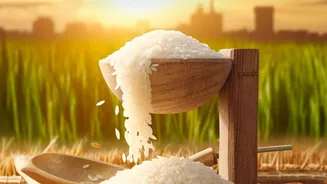
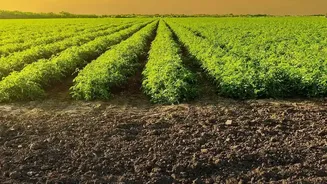
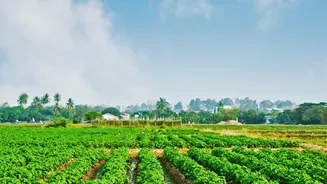
The story of Punjab's agriculture is a paradox. As the cradle of the Green Revolution, the state became India's breadbasket, ensuring food security through intensive cultivation of wheat and paddy (rice). This system, however, relies on a monoculture
that has led to severe consequences. The primary issue is the alarming depletion of the groundwater table. Paddy, in particular, is a water-guzzling crop, and its cultivation has pushed many of the state's blocks into the 'dark zone' for groundwater extraction. Beyond water, the continuous cycle has degraded soil health and contributed to the annual crisis of stubble burning. For farmers, the cycle is difficult to escape. The government's Minimum Support Price (MSP) and assured procurement system for wheat and paddy provide a level of financial security that alternative crops currently lack, making any switch a significant economic risk.
Assessing the Current Diversification Drive
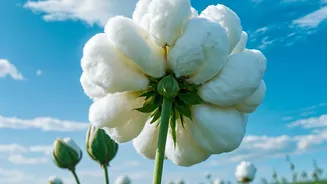
Recognising the urgency, the Punjab government has launched several initiatives for the 2026-27 financial year to encourage farmers to shift away from paddy. A key focus is promoting maize as a less water-intensive alternative during the Kharif season. Following a pilot project in 2025, the government expanded a scheme to 16 districts, offering a financial incentive of ₹17,500 per hectare to farmers who switch from paddy to maize. The target is to bring around 20,000 hectares under this incentivised maize cultivation. Additionally, there are allocations for promoting cotton, pulses, and oilseeds, coupled with a major push for water conservation through techniques like Direct Seeded Rice (DSR) and expanding canal irrigation networks. The state's 2026-27 budget earmarked significant funds for agriculture, including ₹50.30 crore specifically for crop diversification and substantial amounts for water management and tackling stubble burning.
Hurdles on the Ground for Farmers
Despite government incentives, the transition remains a tough sell for the average farmer. The offered subsidies, while helpful, often pale in comparison to the perceived security of the paddy-wheat cycle, which is supported by free electricity for tubewells and guaranteed procurement at MSP. The core challenge is economic viability. Without a robust and assured procurement system for alternative crops like maize, pulses, and oilseeds at a competitive MSP, farmers face significant market risk. As many have pointed out, there's no guarantee they will get a good price for these crops, unlike wheat and paddy. Furthermore, shifting to new crops requires different knowledge, seeds, and pest management techniques, which can be daunting. Experts note that for diversification to succeed, it needs more than just subsidies; it requires an entire ecosystem including market linkages, price stability, and infrastructure like grain dryers and processing industries.
The View from the Policy Desk
From a policy perspective, the challenge is multi-faceted. The current subsidy structure, especially free power for agriculture, inadvertently promotes water-intensive paddy cultivation. Redirecting these subsidies to be crop-neutral or to directly incentivise water-saving crops is a frequently suggested but politically sensitive reform. Policymakers are also grappling with the scale of the problem. While initiatives to shift 20,000 hectares to maize are a positive step, it's a small fraction of the nearly 32.5 lakh hectares under paddy cultivation. A successful strategy requires a long-term vision that makes alternative crops as, or more, profitable than paddy. This involves not only guaranteeing MSP but also investing heavily in the entire value chain for these crops, from research in high-yielding varieties to building a network of agro-processing industries. Recent announcements to bolster canal irrigation are part of this broader strategy to reduce reliance on groundwater, but their on-ground impact will take time to materialise.