




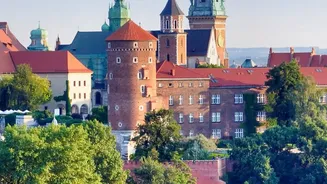
Prague: The City of a Thousand Spires
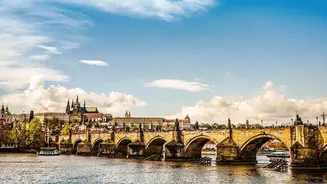
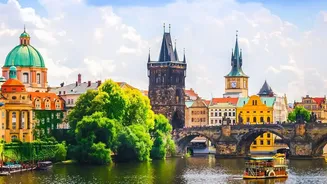
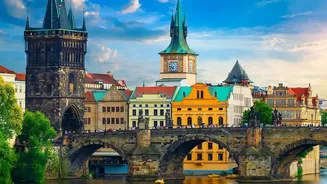
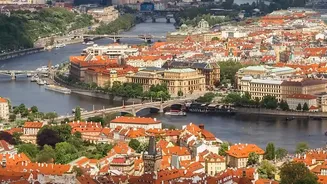
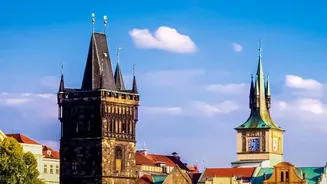
The historic heart of Prague, a UNESCO site since 1992, is not just a city; it's an open-air museum of continuous urban development spanning from the 11th to the 18th centuries. This architectural marvel on the banks of the Vltava River miraculously survived
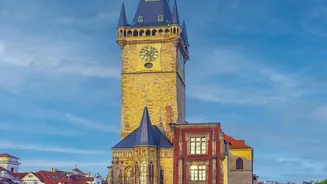
the conflicts of the 20th century, preserving a stunning ensemble of Gothic, Baroque, and Romanesque buildings. The UNESCO designation covers the entire historic core, including Prague Castle, the Lesser Town (Malá Strana), the Old Town, and the iconic Charles Bridge that connects them. Wandering through its cobblestone streets feels like stepping back in time. Key sights include the magnificent St. Vitus Cathedral, the world's largest ancient castle complex, and the Old Town Square with its famous astronomical clock. The city's influence on Central European architecture over centuries is profound, making it a supreme example of medieval urbanism. Visitors should dedicate several days to absorb the sheer density of art, history, and culture packed into this breathtaking capital.
Nessebar: The Pearl of the Black Sea
Perched on a rocky peninsula connected to mainland Bulgaria by a narrow isthmus, the ancient city of Nessebar is a living museum with over 3,000 years of history. Often called the 'Pearl of the Black Sea', it was inscribed on the UNESCO list in 1983 for its rich and multi-layered past. Originally a Thracian settlement named Mesembria, it later became a flourishing Greek colony and an important trading post. Its history reflects a tapestry of civilizations, from the Greeks and Romans to the Byzantine, Bulgarian, and Ottoman Empires. This legacy is visible in the remarkable collection of historic churches, which some legends claim once numbered over 40. These structures showcase a stunning evolution of religious architecture, blending Byzantine and Bulgarian styles. Visitors can explore the ruins of ancient fortification walls, wander narrow cobblestone streets, and admire the distinctive 19th-century wooden houses that create a harmonious blend of nature and human artistry.
Danube Delta: Europe's Last Great Wetland
A world away from the stone cities is the Danube Delta, the second-largest and best-preserved river delta in Europe. Shared by Romania and Ukraine, this vast labyrinth of water and land was designated a UNESCO World Heritage site and Biosphere Reserve for its incredible natural value. Where the Danube River meets the Black Sea, it creates a sprawling wetland of over 2,200 square miles, comprising rivers, canals, reed beds, and tree-fringed lakes. This unique ecosystem functions as Europe's largest water purification system and is a paradise for wildlife enthusiasts. It is most famous for its bird population, with over 300 species making it their home or a crucial stopover point, including massive colonies of pelicans. Beyond birds, the delta supports about 90 species of fish, including rare sturgeon, and mammals like wildcats, otters, and European mink. Exploring by boat reveals not just raw natural beauty but also small, traditional fishing villages inhabited by a diverse mix of cultures.