



Why Aloe for the Bedroom?
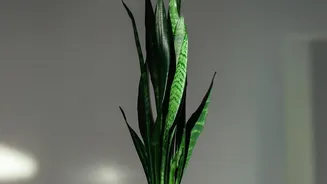
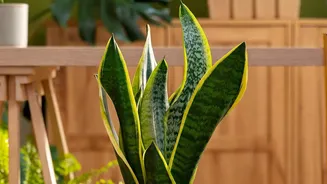
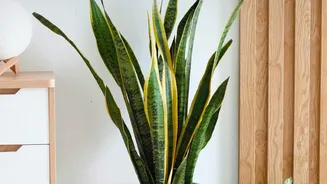
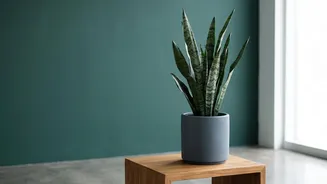
Beyond its striking appearance, the Aloe Vera plant is a practical and beneficial addition to your sleeping space. Its fleshy, upward-reaching leaves create a unique, sculptural silhouette that draws the eye and adds a modern, organic element to your decor.
Unlike many plants, Aloe Vera is known to release oxygen at night, which may contribute to a fresher atmosphere while you sleep. This, combined with its reputation for being low-maintenance, makes it an ideal roommate. It’s a succulent, meaning it’s adapted to thrive with minimal fuss, perfect for both seasoned plant parents and beginners.
Finding the Perfect Spot
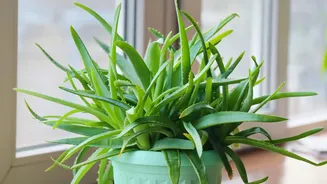
The phrase "bright bedroom window" is key. Aloe Vera loves light and needs about six hours of bright, indirect sunlight each day to flourish. A south or west-facing window is often ideal. However, be careful not to place it so close to the glass that its leaves get scorched by intense, direct sun, which can cause them to turn brown or reddish. If the plant is getting too much direct heat, pull it back a foot or two from the window pane. Rotating the plant every few months will also ensure it grows evenly and maintains its symmetrical shape.
Watering Wisely, Not Weakly
The most common mistake in caring for Aloe Vera is overwatering. These succulents are built to store water in their thick leaves and are susceptible to root rot if their soil stays soggy. The golden rule is to let the soil dry out completely between waterings. A good method is to check the soil with your finger; if it's dry to the touch an inch or two down, it's time to water. Water thoroughly, allowing excess to drain from the bottom of the pot, and then leave it alone. For an indoor plant, this might mean watering only once every three weeks, or even less in the winter.
The Right Foundation: Soil and Potting
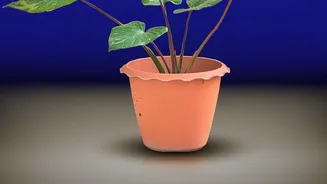
To prevent waterlogging, the right soil is non-negotiable. Use a well-draining cactus or succulent mix, which is sandy and allows water to pass through freely. Avoid standard all-purpose potting soil, as it retains too much moisture. The pot you choose is both a functional and aesthetic decision. A terracotta pot is a great choice as the porous material helps wick away excess moisture. Ensure any pot you select has drainage holes. Aesthetically, a simple, modern pot in a neutral tone or a textured ceramic planter can beautifully complement the plant's sharp, architectural lines, turning it into a true statement piece.
Styling Your Sculptural Star
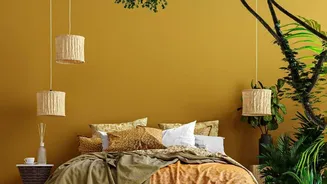
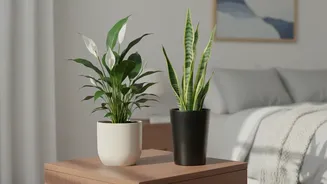
To truly highlight the Aloe's sculptural form, consider its placement and pairing. Position it on a windowsill, a bedside table receiving ample light, or a plant stand where its spiky silhouette can be appreciated from all angles. Grouping it with plants of different heights and textures can create a dynamic display, but an Aloe Vera can also stand alone as a minimalist focal point. For a desert-chic look, you could even place it in a clear glass container with layers of decorative sand and stones, creating a mini-terrarium effect that showcases both the plant and its root system.
A Touch of Wellness
While its visual appeal is undeniable, Aloe Vera is also famed for its historical use in skincare. The gel from its leaves is often used to soothe minor burns and skin irritations. Some studies also suggest it helps absorb indoor pollutants like benzene, which can be found in cleaning products. While a single plant won't transform your home's air quality overnight, its presence can contribute to a calmer, more nature-inspired environment, which has been linked to reduced stress and improved mood—perfect for a restful bedroom sanctuary.