






The Land of the Ghost Cat
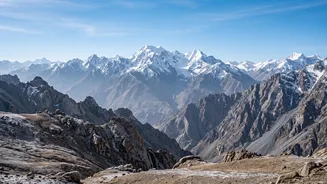
Imagine a world painted in white and ochre, where silence is broken only by the crunch of snow underfoot and the howl of the wind. This is Ladakh in winter, the prime time for a snow leopard expedition. From November to March, the extreme cold forces
the leopard’s primary prey, like the bharal (blue sheep) and ibex, down into the lower, more accessible valleys. And where the prey goes, the predator follows. This seasonal migration is what makes a sighting possible. Journeys typically focus on Hemis National Park, a vast, rugged expanse known to have one of the highest densities of snow leopards in the world. Expeditions often last between 10 to 12 days, a necessity dictated by the demands of acclimatisation and the sheer patience required.
The Journey is the Destination
Before you even think about spotting a leopard, you must first respect the altitude. Trips begin in Leh, Ladakh’s capital, which sits at a dizzying 11,500 feet. Tour operators mandate at least two to three days of strict acclimatisation to allow your body to adjust to the thin air before heading deeper into the mountains. The trek itself is physically demanding. You'll navigate rocky trails and steep slopes in temperatures that can plummet to -25 degrees Celsius at night. It’s a challenge that requires a spirit of adventure and an understanding that you are in a remote, unforgiving environment. The reward is an immersion into a landscape of breathtaking, austere beauty, far from the noise of the modern world.
The Eyes of the Expedition
The true heroes of any snow leopard safari are not the tourists, but the local trackers. These Ladakhi guides possess an almost supernatural ability to read the landscape. They grew up in this territory and know the behavioural patterns of the 'shan', the Ladakhi word for snow leopard. Days start early, with trackers heading out at dawn to scan the ridges with high-powered spotting scopes, searching for tracks, scat, or the remnants of a kill. They communicate via radio, sharing intelligence to narrow down the search. Watching them work is a lesson in patience and deep ecological knowledge. Their expertise is the single most critical factor in the success of any expedition.
Managing the Ultimate Expectation
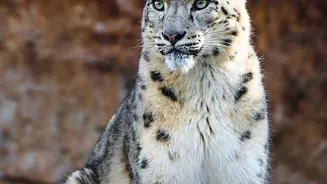
So, what are the chances? While some operators boast high success rates, the headline’s warning rings true: there is no guarantee. The snow leopard's grey coat is perfect camouflage against the rocky slopes, making it incredibly difficult to spot. An expedition might involve many days of scanning for hours with no success. But the landscape is far from empty. Trekkers are often treated to sightings of other rare high-altitude wildlife, including herds of blue sheep, majestic ibex, Tibetan wolves, and red foxes. The journey becomes a wider appreciation for the entire ecosystem, with the leopard as its elusive, crowning jewel.
A Quest with a Conscience
Choosing this adventure is also an act of conservation. Ethical tourism has become a powerful tool for protecting the snow leopard. Historically, herders who lost livestock to predation saw the cats as a threat. Today, income from tourism—through homestays and guide fees—provides a direct financial incentive for local communities to safeguard the animals. Many tours contribute a portion of their fees to organisations like the Snow Leopard Conservancy, which funds initiatives like predator-proof livestock corrals and community education. By staying in a traditional Ladakhi homestay, visitors not only support the local economy but also gain an authentic cultural experience, sharing stories and home-cooked meals by a warm stove.