






What Exactly Is Happening?
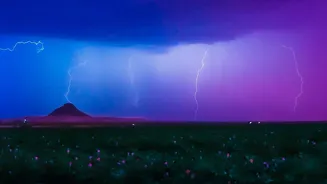
Recent scientific analysis reveals a change in how precipitation behaves in the US Southwest and Southern Plains. While the regions are known for their arid or semi-arid climates, a new trend is emerging. When rain systems do arrive, the moisture they
carry is persisting for longer durations. A NASA study highlighted that climate change could make certain storm systems, known as atmospheric rivers, not only more intense but also wider and longer-lasting. This doesn't necessarily mean more frequent rain, but it does suggest that when it rains, the events could be more prolonged and concentrated.
The Science of Lingering Storms
The primary driver behind this phenomenon is climate change. A warmer atmosphere can hold more water vapor, fundamentally changing the dynamics of weather systems. One key factor is the behavior of "atmospheric rivers." These are long, narrow corridors in the atmosphere that transport vast amounts of water vapor from the tropics. Think of them as rivers in the sky. As global temperatures rise, these atmospheric rivers are projected to become more intense, frequent, and larger. This means they can carry more moisture and dump it over land for extended periods. Furthermore, changes in large-scale weather patterns, influenced by warming oceans, can cause these systems to move more slowly or stall, prolonging rainfall in a single area.
A Double-Edged Sword for Arid Lands
More moisture in a dry region might sound like good news, but the reality is more complicated. While beneficial for replenishing reservoirs and easing some drought conditions, these longer, more intense rainfall events come with significant risks. The ground in arid areas is often hard and unable to absorb heavy rain quickly, leading to flash floods, erosion, and dangerous mudslides. Infrastructure like dams, levees, and roads, which were built for past weather patterns, may be overwhelmed. Economically, the damage can be immense, with projections showing that annual flood damages from atmospheric rivers in the western U.S. could more than double by the end of the century. It’s a classic case of too much of a good thing, too quickly.
The Paradox of Drought and Deluge
This trend is part of a larger, more unsettling climate paradox: an increase in the intensity of both droughts and floods. While rain events may be more potent, the dry periods between them are also becoming longer and more erratic in much of the West. So, these regions face a volatile cycle of long, dry spells that bake the landscape, followed by extreme deluges that the parched ground cannot handle. This 'weather whiplash' presents immense challenges for water management, agriculture, and public safety. Farmers might face crop-destroying floods one season and devastating drought the next, making it incredibly difficult to plan and sustain their livelihoods.
Global Context and Future Outlook
The changes seen in the American Southwest are not happening in isolation. Around the world, climate change is altering precipitation patterns, leading to more extreme and unpredictable weather. Regions from the Mediterranean to South America are grappling with similar cycles of intense drought and flood. The science is clear: as long as global temperatures continue to rise, these extreme weather patterns are expected to become more common and more severe. For the US Southwest and Southern Plains, models predict that even though some storms will be wetter, the overall trend points toward increased aridity and a future where multi-year droughts become more frequent and severe.