





The Science Behind the Colour
The bright orange hue of most carrots comes from a class of natural pigments called carotenoids. Specifically, carrots are famous for being rich in beta-carotene, one of the most common and stable pigments in nature. Think of carotenoids as a broad family
of compounds that give many fruits and vegetables their yellow, orange, and red colours. Beta-carotene is a star member of this family and belongs to a special subgroup known as 'provitamin A' carotenoids. This means that when you eat a carrot, your body can convert the beta-carotene into vitamin A, an essential nutrient that plays a critical role in many bodily functions.
More Than Just Good for Your Eyes
The old saying that carrots are good for your vision is true. Vitamin A is crucial for maintaining good eye health and can help reduce the risk of conditions like age-related macular degeneration. But the benefits don't stop there. As a potent antioxidant, beta-carotene helps protect your body's cells from damage caused by unstable molecules called free radicals. This antioxidant activity contributes to a lower risk of chronic diseases and inflammation. The Vitamin A produced from carrots also plays a vital role in supporting a healthy immune system, ensuring it functions properly to fight off illness. Additionally, carrots are a good source of fibre, which aids in digestion, helps manage blood sugar levels, and can contribute to maintaining healthy cholesterol.
Maximising Nutritional Benefits
How you prepare your carrots can make a big difference in how much nutritional value you get. Beta-carotene is a fat-soluble compound, meaning it needs fat to be absorbed properly by your body. Pairing carrots with a source of healthy fat, like a drizzle of olive oil or a handful of nuts, can significantly increase your absorption of this key nutrient. Interestingly, cooking carrots can also boost their benefits. Lightly cooking methods like steaming or roasting help break down the vegetable's tough cell walls, making the beta-carotene more accessible to your body. While raw carrots are a fantastic and crunchy snack, gently cooked carrots will often provide more usable beta-carotene. For those with diabetes, it's worth noting that raw or lightly cooked carrots have a lower glycemic index than those that are overcooked or processed, like in juice.
A Staple in the Indian Kitchen
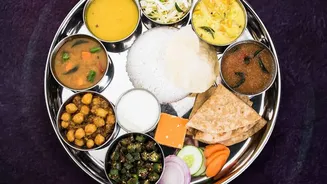
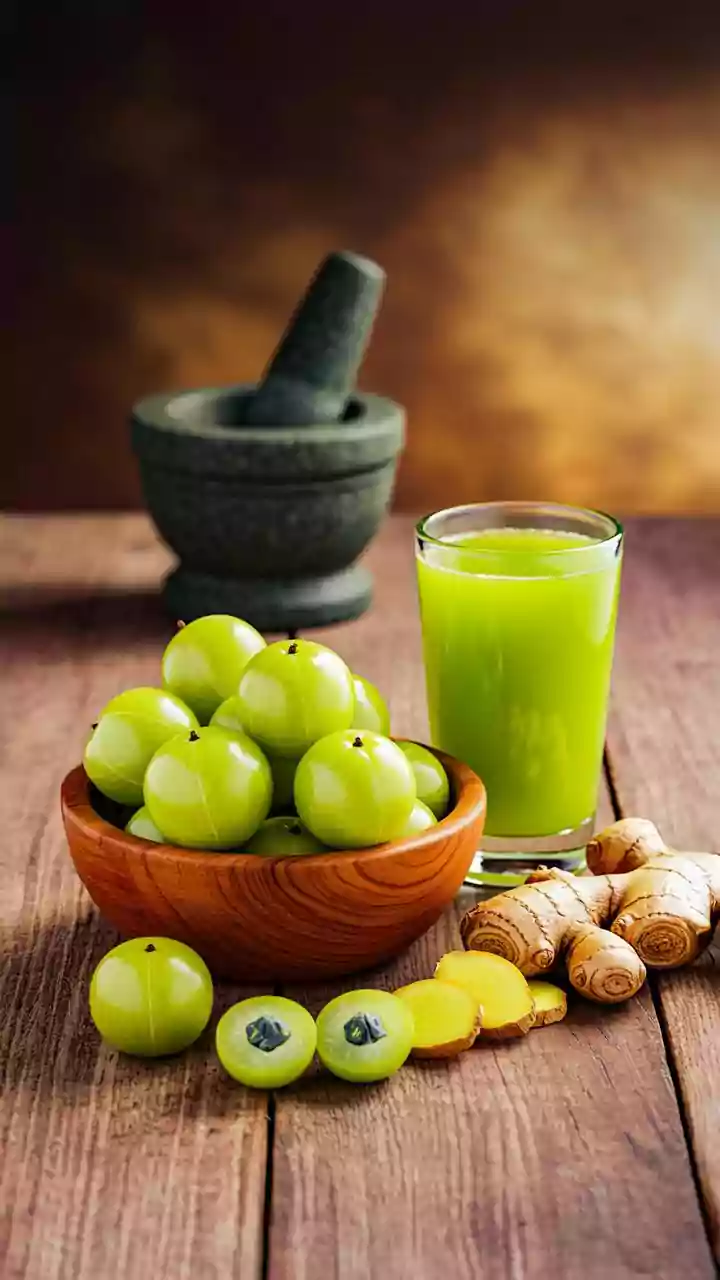
In India, carrots, or 'gajar', are a versatile and beloved vegetable, especially during the winter months. They are enjoyed in a multitude of ways that go far beyond a simple side dish. You can find them grated raw into vibrant salads and 'kachumber', providing a sweet crunch. They are a foundational ingredient in hearty mixed vegetable 'sabzis' and flavourful pulaos. Of course, no discussion of Indian carrots is complete without mentioning 'gajar ka halwa', a rich and decadent dessert. While the added sugar means it should be an occasional treat, the carrots still provide their nutritional base. Even carrot juice is a popular and quick way to get a concentrated dose of nutrients, often mixed with other vegetables like beetroot and amla for an added health boost.