







What Is Solar Dimming?
Solar dimming, more formally known as solar radiation management (SRM) or stratospheric aerosol injection (SAI), is a highly controversial and largely theoretical geoengineering concept. The core idea is to intentionally spray tiny, reflective particles—like
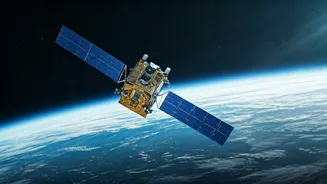
sulfur dioxide—into the stratosphere, about 20 kilometres above the Earth's surface. These particles would act like a giant, planetary sunshade, reflecting a small fraction of sunlight back into space and, in theory, cooling the planet. The concept mimics the natural cooling effect observed after large volcanic eruptions, such as that of Mount Pinatubo in 1991, which temporarily lowered global temperatures by injecting millions of tons of sulfur dioxide into the upper atmosphere. Faced with insufficient progress on cutting greenhouse gas emissions, some scientists are researching SRM as a potential last-dort measure to counteract global warming.
The Study's Surprising Finding
The headline-making study didn't claim solar dimming is safe. Instead, it focused on a different, more troubling question: if a country or actor started a solar dimming program, would we even know? The research used computer models to simulate a hypothetical SRM deployment and found that distinguishing its effects from natural climate variability would be challenging. The “warning signs”—the climatic signals that prove geoengineering is underway—were less clear than previously anticipated. This doesn't mean there are no side effects; it means that proving the cause of those side effects could be difficult. The finding raises the unsettling possibility of a rogue state initiating a geoengineering program without other nations being able to definitively detect and attribute it in the early stages.
An Incredibly Risky Gamble
The scientific consensus is that solar geoengineering is fraught with immense risks and unknowns. It does nothing to address the root cause of climate change: the massive concentration of greenhouse gases in the atmosphere. It would not, for example, stop ocean acidification. Critics warn of a “termination shock”; if a geoengineering program were suddenly stopped for any reason, the masked warming would return with a terrifying speed, causing catastrophic impacts on ecosystems and societies unable to adapt. Furthermore, meddling with the climate system could have wildly unpredictable consequences. It could disrupt global rainfall patterns, potentially threatening the water and food security of billions, particularly in monsoon-dependent regions like South Asia. The cooling effect wouldn't be uniform, creating regional winners and losers and opening the door to geopolitical conflict.
A Distraction from the Real Solution?
Many scientists and climate policy experts voice a fundamental concern: the mere prospect of a technological 'fix' like solar dimming could create a “moral hazard.” The danger is that it could reduce the incentive for governments and corporations to undertake the difficult but essential work of cutting fossil fuel emissions. Why make hard choices today if a seemingly easy solution is just over the horizon? This is a key reason many are calling for an international non-use agreement on such technologies. They argue that the focus must remain squarely on decarbonising our economies and adapting to the climate changes already underway, rather than pursuing a risky and unpredictable gamble that could create more problems than it solves.