




What is SMOPS-2026?
The International Conference on Spacecraft Mission Operations (SMOPS) is a major global gathering for the space industry, jointly organised by the Indian Space Research Organisation (ISRO) and other international bodies. Held in Bengaluru, the 2026 edition
brought together experts from NASA, ESA, JAXA, and private industry to focus on a critical theme: making space missions smarter and more sustainable. A key part of this is automation. The conference serves as a vital platform for space agencies, startups, and researchers to collaborate on the next generation of mission management, from handling large satellite constellations to enabling complex interplanetary journeys. It’s where the theoretical meets the practical, shaping the roadmap for future exploration.
The Ground Control Bottleneck
Currently, most spacecraft are heavily dependent on commands from Earth. This model has several limitations. First is the communications delay. For missions in deep space, the time it takes for a signal to travel from Earth to the spacecraft and back can be significant—up to 24 minutes for a one-way trip to Mars. This makes real-time control impossible and introduces risks if a rapid response is needed. Second is the sheer cost and complexity of maintaining 24/7 ground stations staffed by highly skilled engineers. As we launch more complex missions and massive satellite constellations, the current approach becomes operationally and economically impractical. Every decision, from a minor course correction to managing a system fault, requires a human in the loop, creating a significant bottleneck.
The Promise of Autonomy
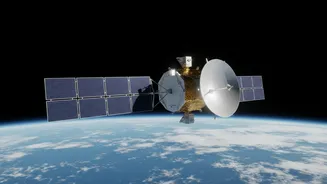
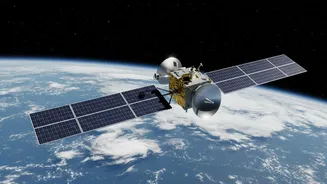
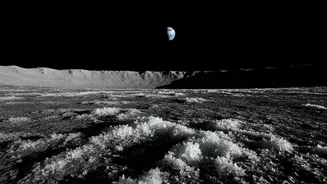
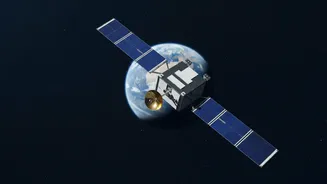
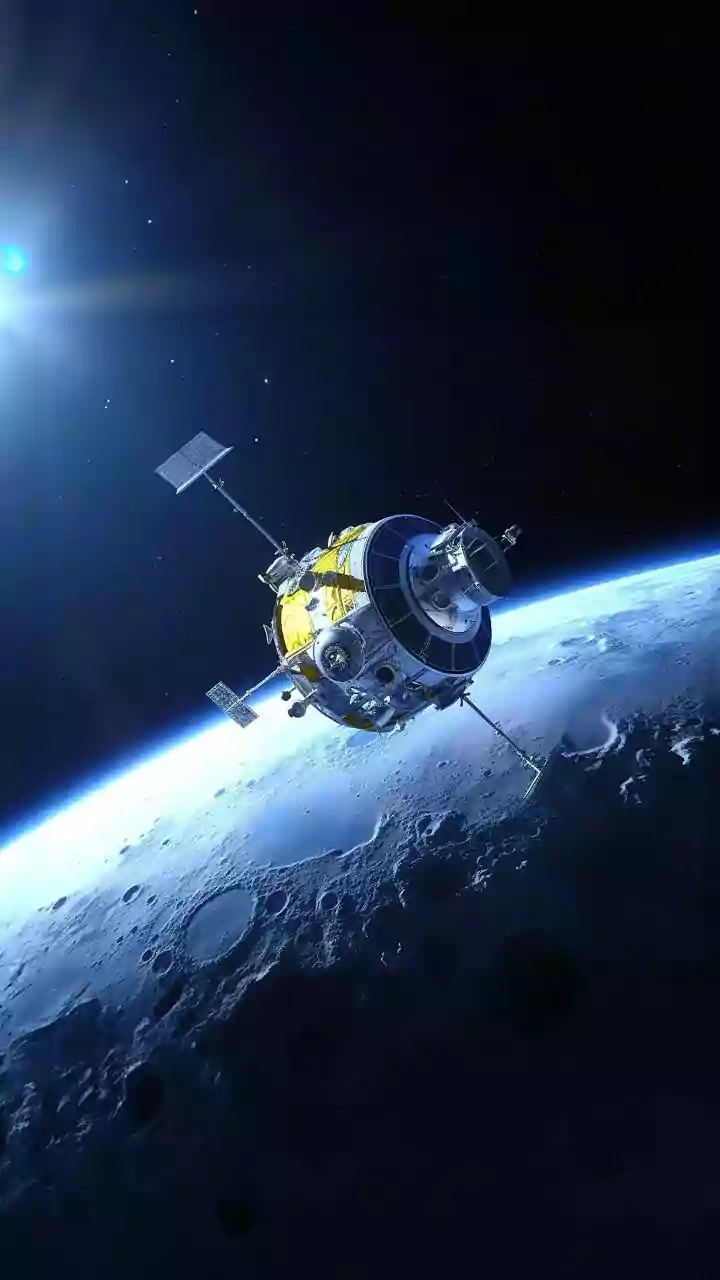
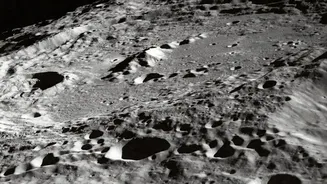
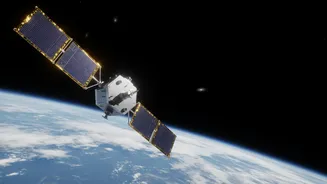
This is where spacecraft autonomy comes in. The goal is to give spacecraft the ability to think for themselves, performing tasks without direct human intervention. An autonomous spacecraft could diagnose and fix its own problems, navigate around unforeseen obstacles like space debris, and make intelligent decisions about what scientific data to collect and send back. For example, instead of transmitting gigabytes of raw images for scientists on Earth to sift through, an AI-powered satellite could analyze the data onboard, identify the most scientifically valuable information, and transmit only that, saving precious bandwidth. This capability not only makes missions more efficient but also enables new possibilities, like exploring the far side of the Moon or the distant outer planets where constant communication isn't feasible.
The Practical Tests in Focus
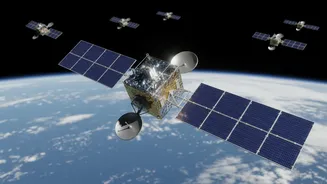
SMOPS-2026 is more than just talk; it's a showcase for the technologies making this a reality. One of the central themes is the use of Artificial Intelligence and Machine Learning to drive automation. Demonstrations include advanced software that can manage fault detection and recovery, allowing a spacecraft to handle system failures without waiting for instructions. Another key area is autonomous navigation, where spacecraft can plan their own trajectories in real-time. Experts are also focused on managing large satellite constellations, where AI can optimize the positioning and communication of thousands of satellites simultaneously—a task far too complex for human operators to handle manually. These practical tests prove that autonomous systems are moving from theory to deployment.
India's Stake in a Smarter Space
For India, and specifically for ISRO, these developments are crucial. As a key organizer of SMOPS-2026, ISRO is deeply invested in developing autonomous capabilities. The agency has already utilized automation in missions like the Mangalyaan Mars orbiter to handle communication gaps. Looking ahead, technologies like automated docking, recently tested in the SPADEX mission, are essential for building India's own space station (the Bharatiya Antriksha Station) and for future lunar sample-return missions. By embracing automation, ISRO can make its ambitious programs—including Gaganyaan and future deep-space explorations—more robust, efficient, and less reliant on constant ground support. This technology will also empower the burgeoning Indian space startup ecosystem to develop innovative new services and applications.