



A Surprising Fusion of Textures
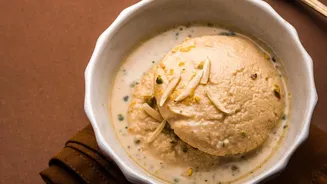
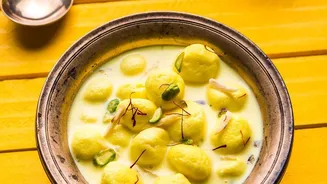
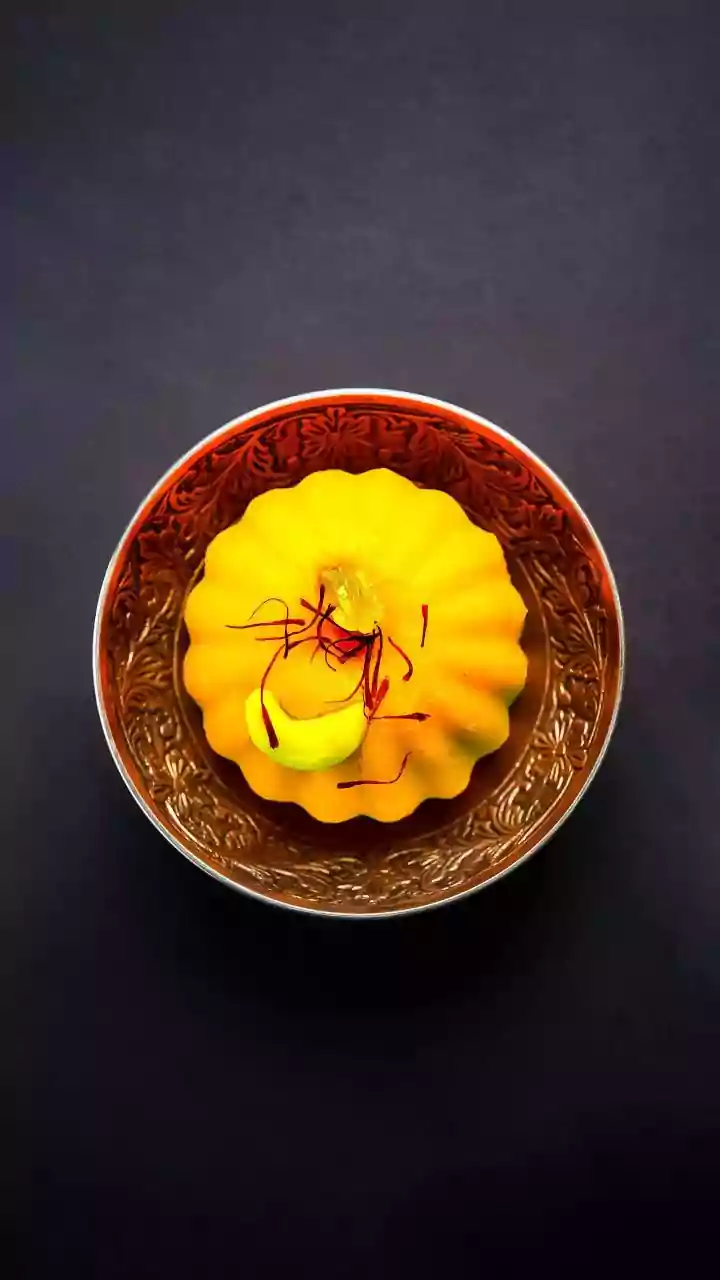
Indian culinary creativity knows no bounds, and Sabudana Rasmalai is a perfect example. The dish reimagines the classic rasmalai, which traditionally features soft, spongy discs of chenna (fresh paneer) soaked in fragrant, sweetened milk. In this variation,
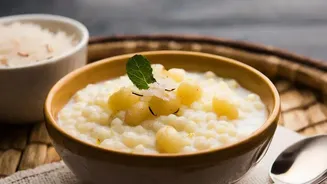
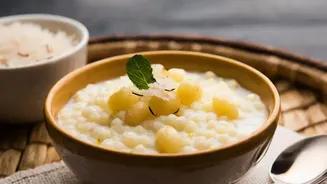
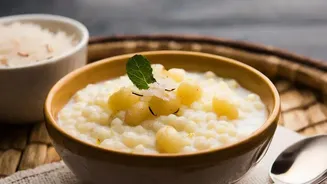
sabudana (tapioca pearls) steps in to play the leading role. The goal is to create soft, slightly chewy pearls that absorb the rich, cardamom- and saffron-infused milk, offering a texture that is both familiar and novel. When done right, the pearls provide a delightful mouthfeel that contrasts beautifully with the creamy 'ras,' or milk syrup. It’s a gluten-free innovation that transforms a simple ingredient into a surprisingly elegant dessert suitable for festivals and special occasions.
The Foundation: Proper Soaking
Anyone who has ever made sabudana khichdi knows that the entire dish hinges on one critical step: soaking. The same principle applies here. Before you even think about cooking, the sabudana must be prepared correctly. First, rinse the pearls under cold water multiple times to wash away excess surface starch; this is a primary defence against stickiness. Then, soak them in just enough water to cover them. Too much water will create a gluey, unusable mess, while too little will leave you with hard, uncooked centres. A general rule is to let the pearls soak for at least four to six hours, or until you can press a pearl between your thumb and finger and it mashes completely with no hard core. This initial step is non-negotiable for achieving the right foundation for your dessert.
The Key Qualification: Mastering the Cook
Here lies the secret that separates a sublime Sabudana Rasmalai from a sticky failure. The “key qualification” is not just about soaking, but about how the pearls are cooked and treated immediately after. Once properly soaked and drained, the sabudana must be cooked until perfectly translucent. This is often done by boiling them in water or milk, stirring gently and infrequently to prevent them from breaking down and releasing too much starch. Overcooking is the enemy; the moment the pearls become clear and glossy, they are done. But the most crucial action is what comes next. Some recipes call for forming the cooked sabudana into patties, while others use the loose pearls. For the latter approach, the game-changing step is to immediately drain the cooked pearls and rinse them under cold water. This cold shock halts the cooking process instantly and, more importantly, washes away the sticky outer layer of starch. The result is distinct, bouncy pearls that won't clump together in the milk.
Assembling Your Decadent Dessert
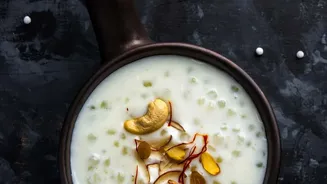
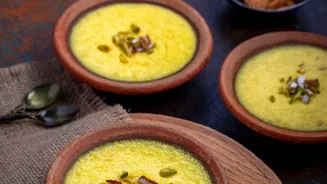
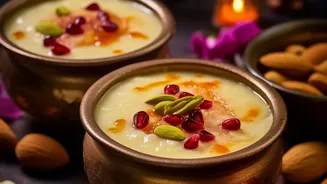
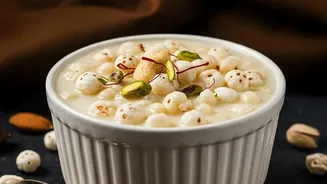
With your perfectly cooked sabudana pearls ready, the final stage is all about flavour. Prepare the 'ras' by simmering full-fat milk until it reduces and thickens slightly. This is the time to infuse it with your chosen aromatics. Sweeten the milk with sugar, condensed milk, or jaggery, and add classic rasmalai flavours like crushed green cardamom and a few strands of luxurious saffron, which will lend the milk a beautiful golden hue and an unmistakable aroma. Once the milk is fragrant and sweetened to your liking, you can combine it with the prepared sabudana. Some methods involve simmering sabudana patties directly in the milk, while others simply involve pouring the cooled milk over the rinsed pearls. Finally, garnish generously with chopped pistachios, almonds, and maybe even some edible rose petals. For the best experience, allow the Sabudana Rasmalai to chill in the refrigerator for a few hours, letting the pearls fully absorb the delicious, creamy milk.