



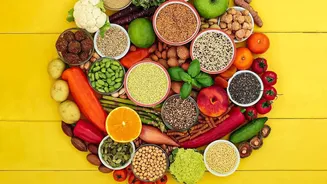
The Protein Puzzle: More Than Paneer and Dal
Protein is vital for muscle repair and overall health. While dal and paneer are excellent staples, variety ensures you get a complete range of amino acids. Lentils, chickpeas, and kidney beans are fantastic sources, offering around 15-18 grams of protein
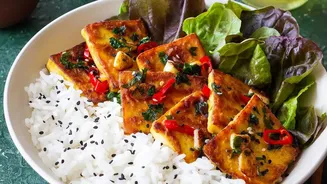
per cooked cup. Don't overlook other powerhouses like soya chunks, which are one of the richest plant-based protein sources. Tofu, tempeh, quinoa, and seeds like pumpkin and sunflower also provide a substantial protein boost. Combining different sources, such as having dal with roti or rice, helps create a complete amino acid profile.
Iron Intake and the Vitamin C Boost
Vegetarians sometimes have lower iron stores because plant-based (non-heme) iron is less easily absorbed than the iron from meat. Key vegetarian iron sources include lentils, beans, tofu, spinach, and fortified cereals. To significantly increase absorption, pair these iron-rich foods with a source of vitamin C. This could be as simple as squeezing lemon over your dal, adding bell peppers to a bean curry, or having a side of strawberries with your fortified breakfast cereal. On the other hand, tannins in tea and coffee can hinder iron absorption, so it's wise to avoid drinking them with your main meals.
The Crucial Role of Vitamin B12
Vitamin B12 is a nutrient of special concern for vegetarians, as it is naturally found almost exclusively in animal products. A deficiency can lead to fatigue and neurological issues. For lacto-ovo vegetarians, dairy products like milk and yogurt, as well as eggs, are reliable sources. A cup of low-fat milk provides a significant portion of the daily requirement. For everyone on a plant-based diet, fortified foods are essential. These include fortified plant milks (like soy or almond), breakfast cereals, and nutritional yeast, which adds a cheesy flavour to dishes. Many health experts recommend that those following vegetarian or vegan diets consider a B12 supplement to prevent deficiency.
Essential Fats and Micronutrients
Not all fats are bad. Omega-3 fatty acids, crucial for brain health, can be harder to get on a vegetarian diet. Good plant-based sources include flaxseeds, chia seeds, walnuts, and hemp seeds. Calcium and Vitamin D are another important pair, working together for bone health. While dairy is a primary source of calcium, you can also find it in fortified plant milks, tofu made with calcium, and leafy greens. Vitamin D can be obtained from sunlight exposure, but fortified foods like certain mushrooms, milks, and cereals are also good dietary sources.
Building the Ideal Vegetarian Plate
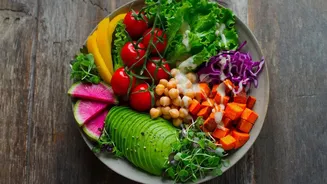
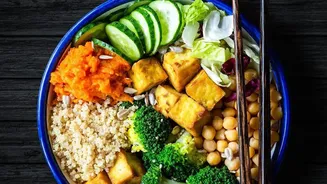
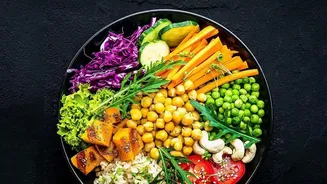
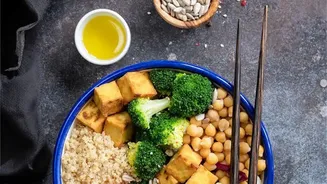
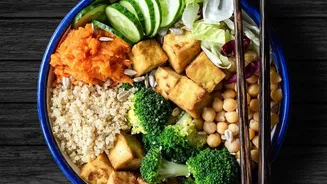
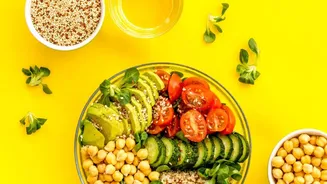
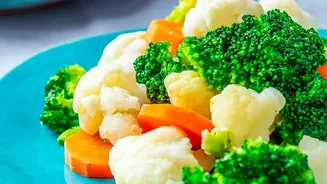
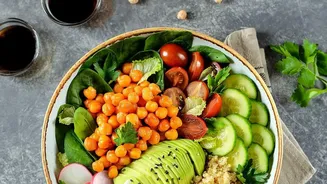
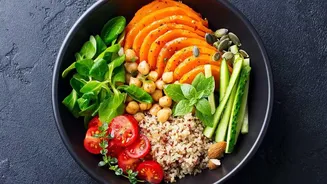
A simple visual can help you build a balanced meal every time. Imagine your plate divided into three sections. Fill half of your plate with a colourful variety of vegetables, both cooked and raw. These provide essential vitamins, minerals, and fibre. Fill one-quarter of your plate with a high-quality protein source, such as lentils, chickpeas, tofu, or paneer. The final quarter should be dedicated to whole-grain carbohydrates like brown rice, whole wheat roti, quinoa, or millets. These provide sustained energy. By following this model, you ensure a healthy mix of macronutrients and micronutrients in every meal.