



The Gassy Culprit in Your Kitchen
The reason you should keep your apples and bananas apart comes down to one word: ethylene. Ethylene is a natural, odorless, and invisible plant hormone gas that many fruits produce as they mature. Think of it as a ripening signal. When a fruit like an apple releases
ethylene, it tells itself and its neighbors to start the process of getting softer, sweeter, and more aromatic. This is why the old saying, "one bad apple spoils the bunch," is scientifically true; an overripe apple releases a large amount of ethylene, accelerating the ripening and eventual decay of the fruit around it.
Know Your Ethylene Producers
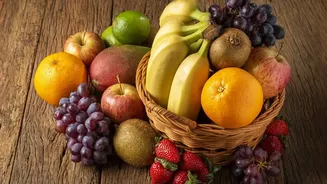
Apples and bananas are famous for being high ethylene producers, but they are far from alone. Keeping these items separate from other produce is key to extending freshness. Other major ethylene emitters include avocados, cantaloupe, peaches, pears, plums, and tomatoes. Even if you buy them when they are firm, these fruits will continue to release ethylene gas as they ripen on your counter or in your fridge. Storing a bunch of these items together creates a high-ethylene environment, essentially a ripening hotspot that can cause everything to go from perfect to past its prime very quickly.
The Sensitive Group
Just as some fruits are prolific gas producers, others are highly sensitive to its effects. Exposing these items to ethylene can cause a range of undesirable outcomes, from premature yellowing and wilting to developing bitter flavors or soft spots. The list of ethylene-sensitive produce is long and includes many common vegetables. Broccoli, carrots, cucumbers, leafy greens like lettuce and spinach, and asparagus are all vulnerable. This is why storing an apple in the same crisper drawer as your lettuce is a recipe for rusty-looking spots and faster spoilage. Even some fruits, like unripe bananas and watermelon, are sensitive to external ethylene.
Strategic Storage for Lasting Freshness
Armed with this knowledge, you can become a master of produce preservation. The guiding principle is simple: separate the producers from the sensitive. Designate one crisper drawer or area of your fridge for ethylene-producing fruits like apples and another for sensitive vegetables like carrots and leafy greens. Keep bananas, avocados, and tomatoes on the counter, away from other produce, until they reach desired ripeness. Once ripe, moving them to the refrigerator can slow down their own ethylene production and extend their life for a few more days. For bananas, you can even wrap the stems in plastic or aluminum foil to slow the release of gas from the bunch.
Using Ethylene to Your Advantage
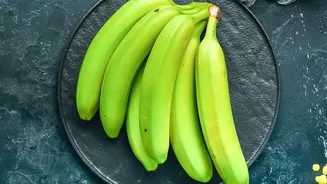
While ethylene can be a foe to freshness, it can also be a helpful tool. If you have produce that is stubbornly underripe—like a rock-hard avocado or green bananas—you can harness the power of ethylene to speed things up. Place the unripe item in a paper bag with an apple or a ripe banana. The bag will trap the ethylene gas, concentrating it and accelerating the ripening process. Check on it daily, as this method can ripen produce in as little as a day or two. This simple trick allows you to control the ripening timeline, ensuring your fruits are ready to eat exactly when you want them.