







Choosing a mattress can feel overwhelming. With endless options, how do you find the one? The secret is simple: focus on how you sleep and what feels good to you. This guide will help you decode your needs for a truly restorative night's rest.
For the Side Sleepers
Side sleeping
is common, but it places significant pressure on your shoulders and hips. If your mattress is too firm, you can wake up with aches or numbness. The ideal mattress for a side sleeper is typically in the soft to medium-firm range. These mattresses have enough give to allow your shoulders and hips to sink in slightly, which relieves pressure and helps keep your spine in a straight, neutral line. Materials like memory foam and latex are excellent choices because they contour to your body's curves, providing that crucial cushioning.
For the Back Sleepers
Sleeping on your back is great for spinal alignment, but only if your mattress provides the right support. The biggest risk for back sleepers is a mattress that is too soft, allowing the hips to sink lower than the shoulders. This creates an unnatural curve in the lower back, leading to strain and pain. A medium-firm mattress is generally the sweet spot, offering a balance of contouring support for the lumbar spine without letting you sag. Hybrid and firm foam mattresses often work well, providing a stable base with a comfortable top layer.
For the Stomach Sleepers
Stomach sleeping can put the most strain on your spine if you're not careful. The primary goal is to prevent your midsection from sinking into the mattress, which can cause your back to arch into an unhealthy position. To avoid this, stomach sleepers generally need a medium-firm to firm mattress. This provides a stable, flat surface that keeps the hips and shoulders level, promoting better spinal alignment. Innerspring, latex, and hybrid mattresses are often recommended because they offer consistent support without excessive sinkage.
For the Combination Sleepers
If you find yourself changing positions throughout the night, you are a combination sleeper. Your needs are a mix of all of the above. You require a mattress that is responsive enough to allow for easy movement, without feeling 'stuck'. A medium-firm mattress is often the most versatile choice, as it provides adequate support for back and stomach sleeping, with enough cushioning for when you roll onto your side. Hybrid mattresses are particularly well-suited for combination sleepers because their coil base adds responsiveness, while foam layers provide comfort.
Decoding 'Personal Comfort'
Beyond your sleep position, 'personal comfort' is the other half of the equation. This subjective feeling is influenced by several key factors. Firmness is the most obvious, referring to how soft or hard the mattress feels on first contact. But it's not the same as support, which is how well the mattress keeps your spine aligned. Your body weight also plays a crucial role; a mattress that feels firm to a lighter person may feel soft to a heavier person. Other comfort factors include temperature regulation (do you sleep hot?), motion isolation (do you share a bed?), and the overall feel you prefer, such as the 'hugging' sensation of memory foam versus the bouncy feel of latex or springs.
A Quick Guide to Mattress Types
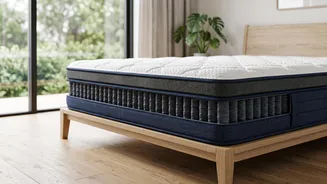
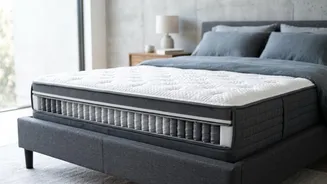
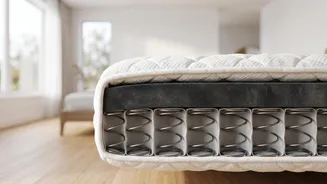
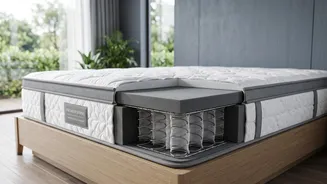
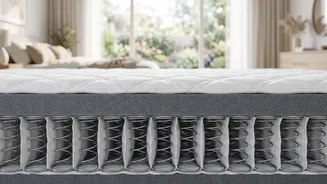
Understanding the basic materials can help you narrow your search. Innerspring mattresses use a core of steel coils, offering a traditional, bouncy feel and good airflow. Memory foam is known for its deep contouring and excellent pressure relief, making it great for side sleepers. Latex offers a more buoyant, responsive feel than memory foam and is naturally durable and cooling. Hybrid mattresses combine an innerspring coil system with significant layers of foam or latex on top, aiming to deliver the best of both worlds: support, bounce, and pressure relief.