








The Rise of the Sophisticated Scam
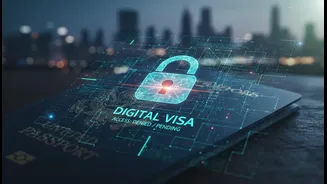
As more countries move to e-visas and electronic travel authorizations, scammers have found a golden opportunity. They create elaborate fake websites that look almost identical to official government portals, using official-looking logos, flags, and layouts.
These fraudulent sites often appear high up in search engine results, tricking unsuspecting travellers who are eager to start their application. The goal of these criminals is twofold: to charge exorbitant fees for services that are often free, and, more dangerously, to harvest the sensitive personal data required for a visa application. This includes your full name, date of birth, passport details, and financial information—everything an identity thief needs.
More Than Money at Stake
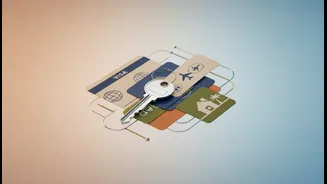
Losing the application fee is frustrating, but the real danger of these scams is identity theft. When you enter your personal information into a fraudulent portal, you are handing criminals the keys to your life. This data can be sold on the dark web or used to commit further fraud. Scammers can use your passport details to create fake identities for other criminals, apply for loans or credit cards in your name, or even use your identity to facilitate illegal activities. The consequences can be long-lasting and incredibly difficult to resolve, turning the excitement of a holiday into a prolonged financial and personal security crisis.
Red Flags to Watch For
Protecting yourself starts with knowing what to look for. Be extremely wary of any website that makes unrealistic promises, such as guaranteeing visa approval. Only government authorities can approve a visa. Scrutinise the website's URL; official government sites typically end in ‘.gov’ or a specific country code, not ‘.org’ or ‘.com’. Also check for a secure connection, indicated by ‘https://’ and a padlock symbol in the address bar. Other warning signs include poor grammar and spelling, unprofessional design, pop-up ads, and demands for payment through untraceable methods like wire transfers or gift cards. Pressure tactics urging you to pay immediately are another major red flag.
Your Checklist for Safe Applications
To ensure your application is safe, always start the process from the official website of the embassy or consulate of the country you plan to visit. These sites will have the correct links to their official visa application portals. For India's e-visa, for instance, the only official site is indianvisaonline.gov.in. Before entering any information, double-check the URL. Take your time and don't let a sense of urgency, often created by scammers, rush you into making a mistake. Be sceptical of unsolicited emails or calls offering visa assistance, as legitimate government agencies do not typically operate this way. If you use a third-party service, thoroughly research their credentials and read independent reviews.
What to Do If You've Been Scammed
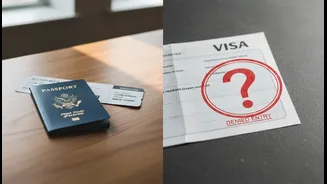
If you suspect you have used a fraudulent website, you must act quickly. Immediately contact your bank or credit card company to report the fraudulent payment and request a chargeback. Ask them to place additional security alerts on your accounts. Given the risk of identity theft, it is crucial to report the incident to the authorities. You can file a complaint with cybercrime divisions and national fraud reporting centres. If you've submitted passport details, you may need to contact the issuing authority to inform them of the compromise and discuss the possibility of cancelling it to prevent fraudulent use.