


A Closer Look at the Study
The research, which drew on data from the extensive UK Biobank, followed over 133,000 participants for a median of nearly 11 years. It found that individuals who consumed the highest amounts of ultra-processed foods had a significantly increased risk
of developing atherosclerosis compared to those who ate the least. Specifically, those in the top quarter of UPF consumption showed a 29% higher risk. This study adds to a growing body of evidence connecting high UPF intake with negative health outcomes, including cardiovascular diseases. Atherosclerosis is the underlying cause of many serious conditions, such as heart attacks and strokes, making these findings particularly noteworthy.
What Are Ultra-Processed Foods?
The term "ultra-processed" can be confusing. It doesn't just mean a food comes in a packet. According to the widely used NOVA classification system, UPFs are industrial formulations made mostly from substances extracted from foods, along with additives not typically used in home cooking, like artificial colours, flavours, and emulsifiers. Think less about packaged dal and more about instant noodles, sugary breakfast cereals, packaged biscuits and namkeen, and fizzy drinks. These products are designed to be convenient and hyper-palatable, which can lead to overconsumption. In India, the consumption of these foods is rising rapidly, often replacing more traditional, minimally processed meals.
Understanding Atherosclerosis
So, what is the condition at the heart of the study? Atherosclerosis is a disease where plaque—made of fat, cholesterol, and other substances—builds up inside your arteries. These arteries are the vital highways that carry oxygen-rich blood from your heart to the rest of your body. Over time, this plaque hardens and narrows the arteries, which can limit blood flow. This process is a major risk factor for cardiovascular diseases. An unhealthy diet, particularly one high in certain fats and sugars, is considered a key contributor to the development of atherosclerosis, alongside factors like smoking and lack of physical activity.
The Bigger Picture: Beyond a Single Label
This is where the second part of the headline becomes critical. While it's tempting to label all UPFs as "bad" and avoid them entirely, nutrition science suggests a more nuanced approach is better. Experts increasingly emphasize that the overall dietary pattern—the sum of all your food choices over time—is more important for your health than any single food or category. Classifying foods as simply 'good' or 'bad' can be overly simplistic and may even encourage unhealthy eating habits. A diet can include some UPFs but still be healthy if it is predominantly rich in fruits, vegetables, whole grains, and lean proteins. Conversely, a diet can be free of UPFs but still be unhealthy if it lacks nutritional diversity.
Quality, Not Just Category, Matters
Focusing solely on the processing level of food can be misleading. For instance, whole-wheat bread and plain yoghurt can be classified as processed or even ultra-processed, yet they offer significant nutritional benefits. The Indian Council of Medical Research (ICMR) has even noted that common items like commercially produced bread and butter fall into the UPF category. The key is to look at the overall quality of the food and the diet. Rather than fixating on one label, a more effective strategy is to build a dietary pattern that is rich in whole and minimally processed foods. A healthy diet is a flexible framework, not a rigid set of rules, and it should be built around variety and nutrient density.
Practical Steps for a Healthier Diet
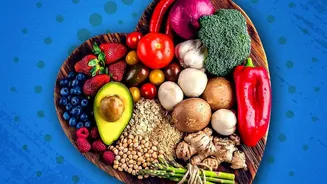
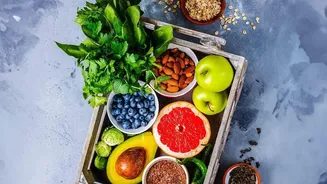
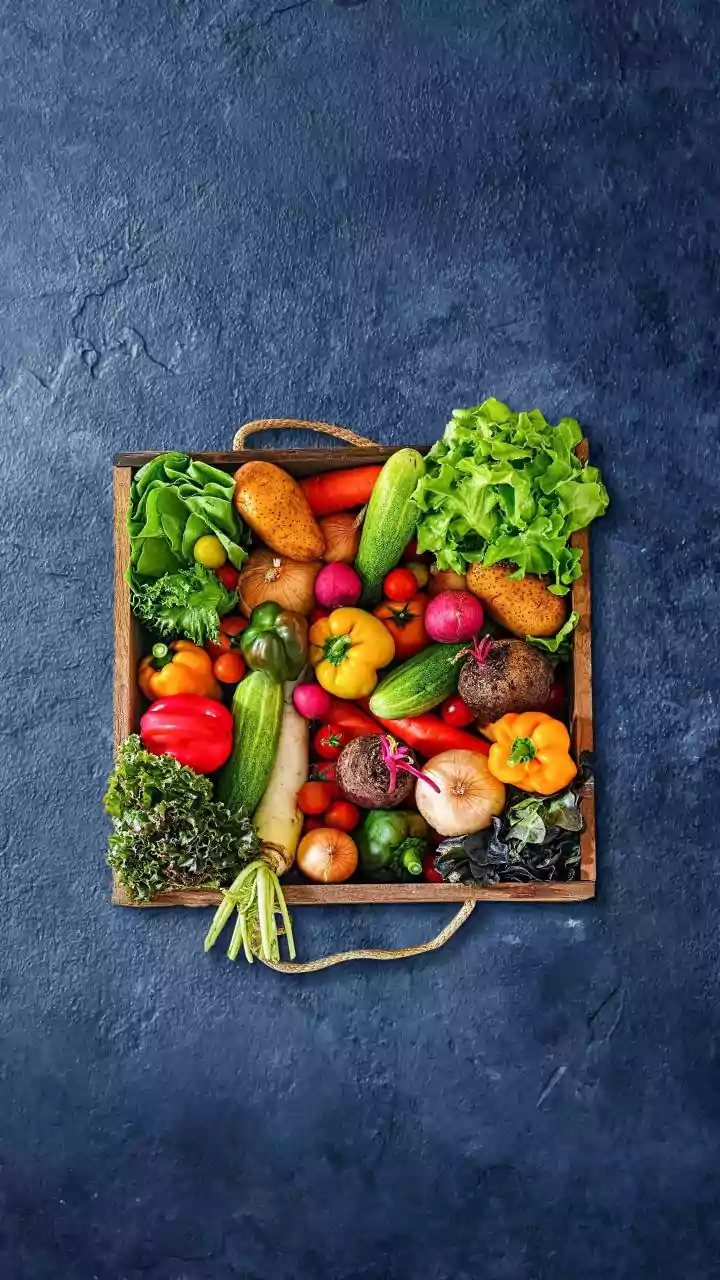
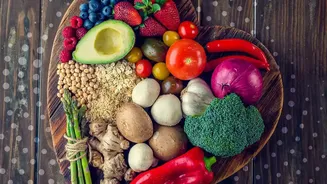
Instead of feeling overwhelmed, consider making small, sustainable changes. Prioritize adding more whole foods to your meals—think fresh vegetables, fruits, dals, and whole grains like millets and brown rice. When buying packaged foods, take a moment to read the ingredient list. Look for shorter lists with recognizable ingredients. Cooking more meals at home is another powerful way to control the amount of salt, sugar, and unhealthy fats in your diet. The goal isn't perfection but progress. Shifting the balance of your diet towards more whole foods will naturally reduce your intake of less nutritious, ultra-processed options without requiring a complete overhaul of your life.