
The Natural Appeal of DIY
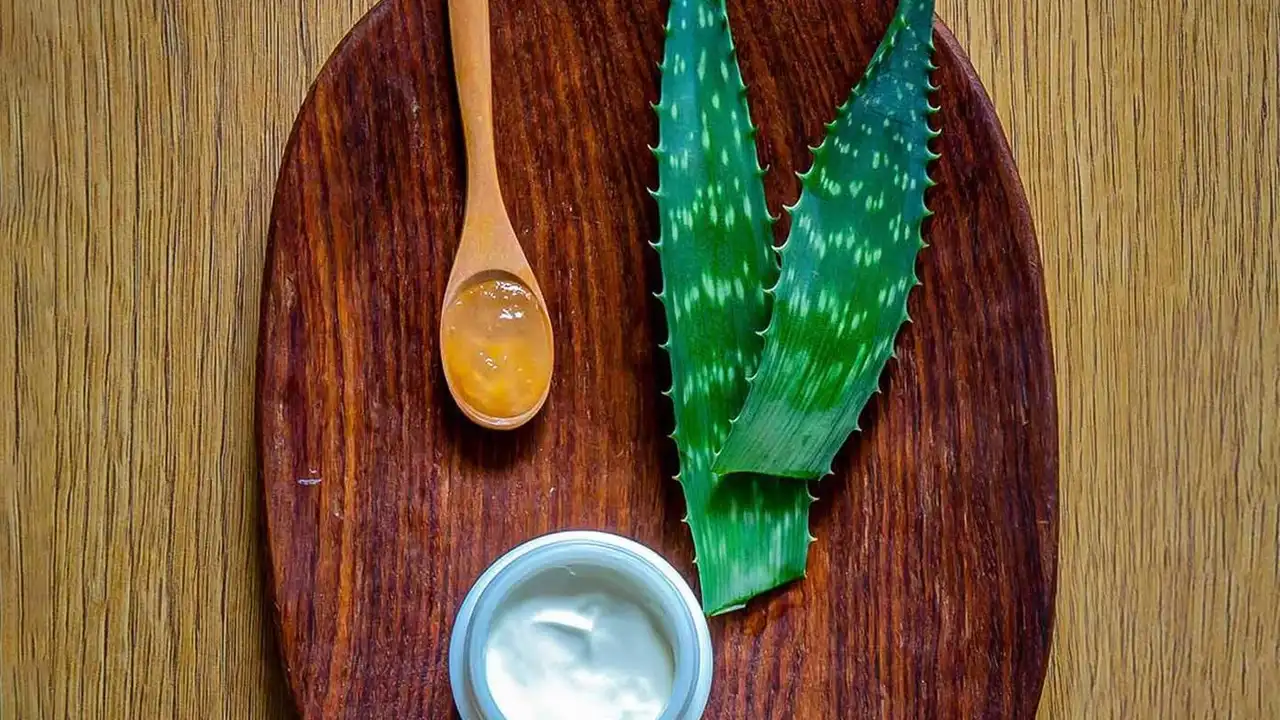
In a world of complex ingredient lists, making your own products feels empowering. The internet is filled with recipes for homemade sunscreens, often promoted by wellness bloggers, that promise a 'natural' and 'chemical-free' alternative to commercial
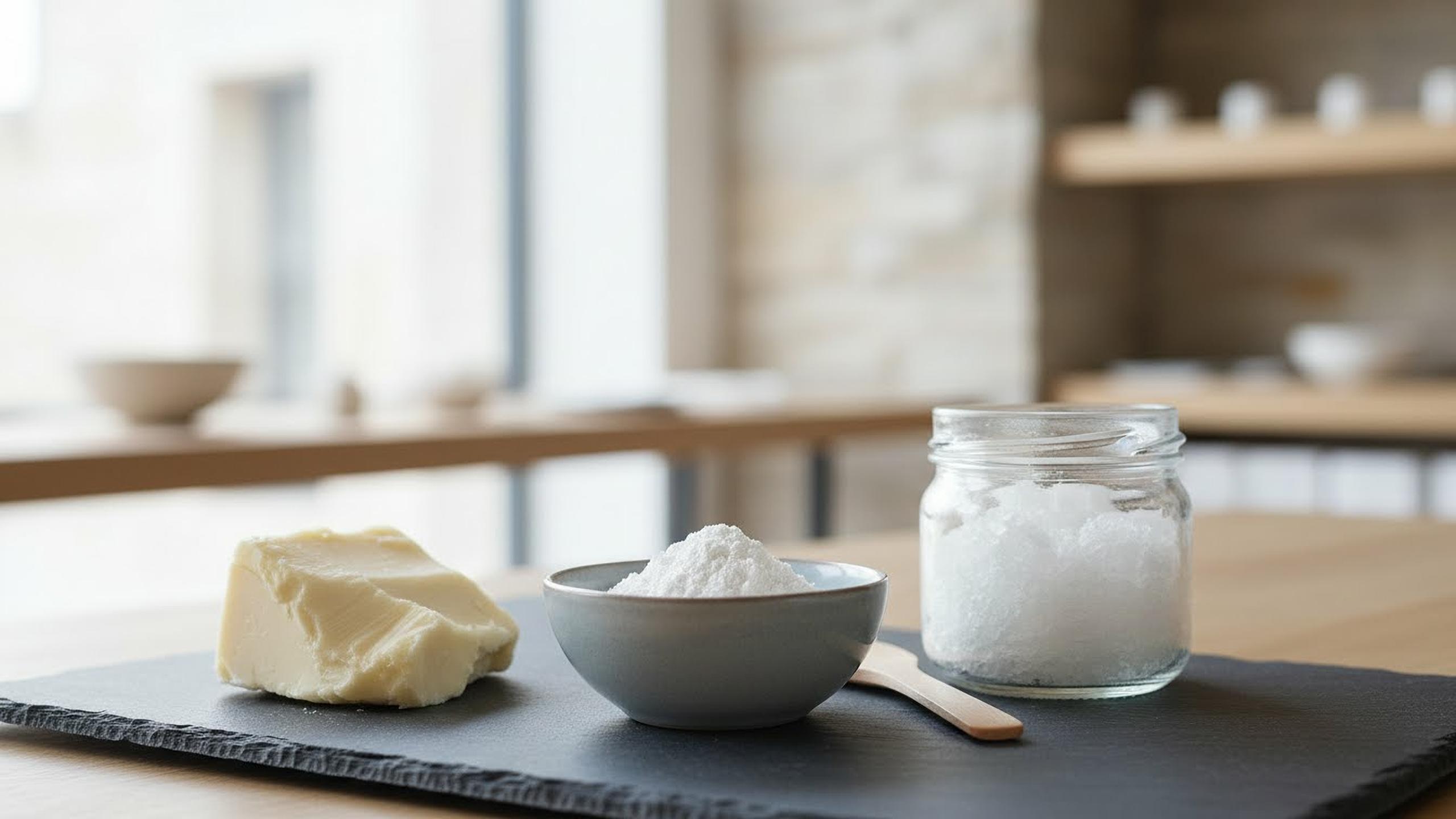
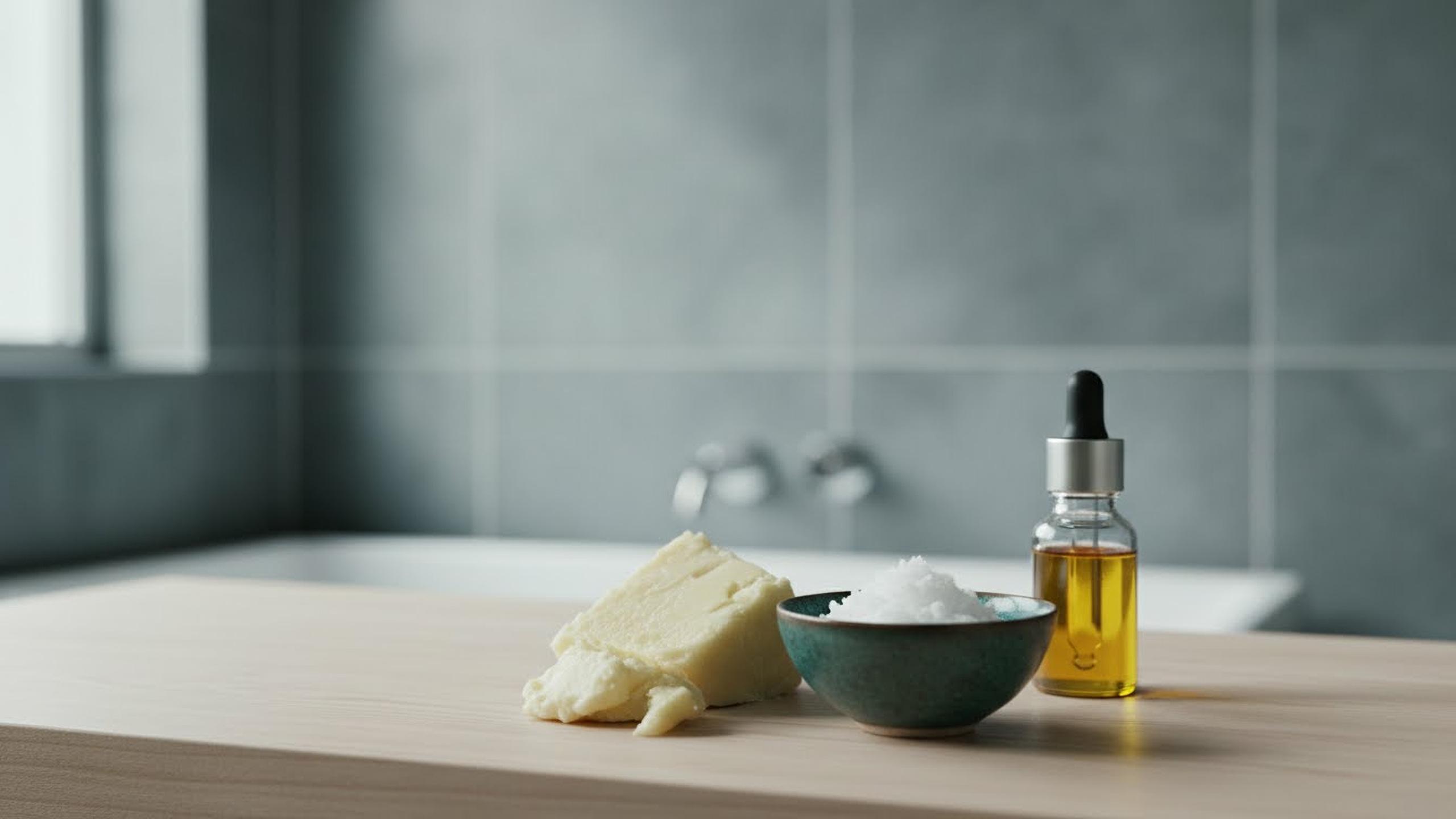
products. These recipes frequently use common kitchen staples like coconut oil, shea butter, and essential oils, appealing to those who want to control exactly what goes on their skin. For people with oily or acne-prone skin, the idea of creating a custom blend that won't clog pores is especially tempting. However, dermatologists and health experts overwhelmingly warn against this trend, highlighting that good intentions do not translate to effective sun protection.
The SPF Rating: More Than Just One Ingredient
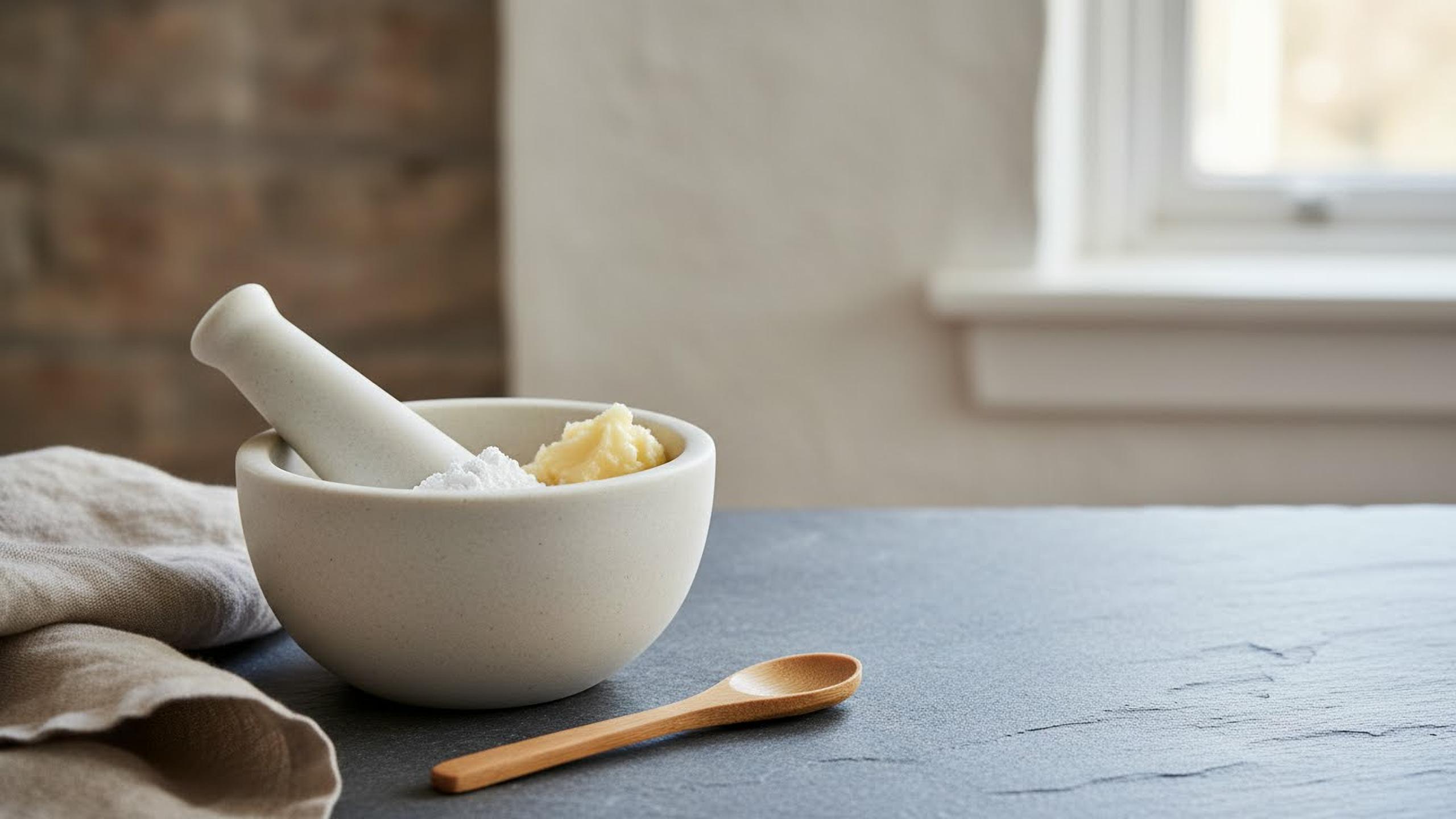
Many DIY recipes include zinc oxide, a mineral filter known to block UV rays. The mistake is assuming that simply adding this powder to a lotion or oil is enough to create a protective sunscreen. Commercially produced sunscreens are regulated by authorities like the FDA and must undergo extensive testing to verify their Sun Protection Factor (SPF). This process ensures the product provides the level of protection stated on the label. With a homemade mixture, there is no way to know the true SPF. The zinc oxide particles can clump together or settle at the bottom, leading to uneven application and leaving large patches of your skin completely exposed to sun damage. What might feel like a protective layer could offer almost no real defence.
Untested for Coverage, Stability, and Resistance
Effective sun protection goes far beyond a simple SPF number. Sunscreens must offer 'broad-spectrum' coverage, meaning they protect against both UVA rays (which cause aging) and UVB rays (which cause burning). Homemade concoctions are not tested for this. Furthermore, commercial sunscreens are formulated for stability, ensuring the active ingredients remain effective over time and don't degrade in the sun. They also undergo water-resistance testing, a critical factor in a hot and humid climate. A DIY sunscreen offers no guarantee for any of these essential features. Studies on popular DIY ingredients like coconut oil show they provide a negligible SPF, sometimes as low as 1, making them completely inadequate for sun protection.
Why DIY is Especially Risky for Oily Skin
While trying to avoid a greasy finish, those with oily skin might inadvertently make things worse with a homemade sunscreen. Many online recipes use heavy oils and butters like coconut oil or shea butter. These ingredients are often comedogenic, meaning they can clog pores and trigger breakouts, defeating the purpose of creating a custom formula. Without proper formulation, a DIY sunscreen can feel heavy, greasy, and create an occlusive barrier that traps sweat and sebum, leading to irritation and acne. Professionally formulated sunscreens for oily skin, on the other hand, are specifically designed to be lightweight and non-comedogenic.
What to Look for in a Store-Bought Sunscreen
Instead of risking your skin's health, experts recommend choosing a commercially available sunscreen that has passed regulatory testing. For oily and acne-prone skin, the key is to look for specific labels and formulations. Seek out products that are labelled 'oil-free' and 'non-comedogenic' to ensure they won't clog your pores. Gel-based, water-based, or fluid textures are often more comfortable and less greasy than heavy creams. Mineral sunscreens containing zinc oxide and titanium dioxide are excellent choices, as zinc oxide can have a natural mattifying effect that helps control shine. Some modern formulas also include beneficial ingredients like niacinamide, which helps regulate sebum production.