





More Than Just for Muscles
When we hear 'protein,' we often think of building muscle, but its role is far more expansive. Protein is a fundamental building block for your entire body, essential for repairing cells, growing hair and nails, and creating enzymes and hormones. It also
plays a crucial part in keeping you full and satisfied after a meal and stabilizing your blood sugar, which helps prevent that all-too-common afternoon energy crash. Signs of falling short aren't always dramatic; they can be as subtle as persistent fatigue, trouble concentrating, slow-healing cuts, or finding your hair and nails have become brittle.
The Accidental Protein Gap
It’s surprisingly easy to eat a vegetarian diet that's low in protein. The common mistake isn't a lack of good intentions but a simple oversight. When meat is removed from the plate, it's often replaced with more vegetables or, more commonly, refined carbohydrates like pasta, rice, and bread. While delicious, a meal of spaghetti with a simple tomato sauce, for example, lacks a significant protein anchor. Without a conscious effort to include protein-rich plant foods, you can end up with a diet that's heavy on carbs and fats but light on the essential amino acids your body needs to function optimally.
Decoding Your Daily Needs
So, how much protein is enough? The general guideline for an average adult is about 0.8 grams of protein per kilogram of body weight per day. For a person weighing 68kg, that’s around 54 grams of protein daily. However, this number can increase if you are very active, pregnant, or older, with some experts recommending a higher intake to preserve muscle mass. Don't get too bogged down by the numbers. The key takeaway is that your needs must be met consistently, and for vegetarians, that means making protein a deliberate part of every meal.
Your High-Protein Plant Pantry
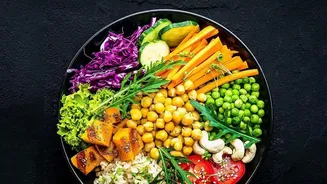
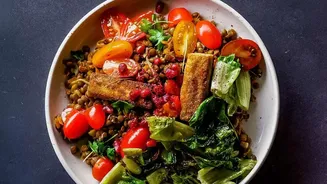
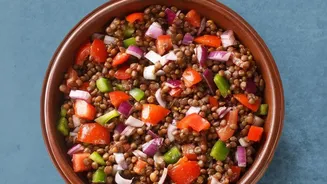
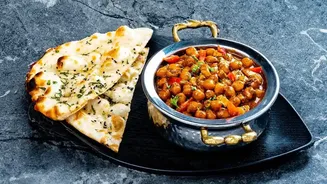
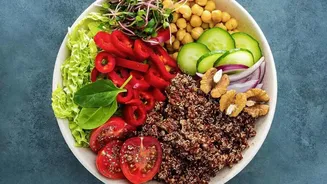
The good news is that the plant kingdom is brimming with excellent protein sources. The key is to know what they are and keep them on hand. Legumes are a cornerstone; one cup of cooked lentils provides around 18 grams of protein, while chickpeas offer about 15 grams. Soy products are also powerhouses: a half-cup of tofu can contain 10 grams of protein, while the same amount of tempeh has about 15 grams. Don’t overlook grains like quinoa, which is a complete protein, or nuts and seeds like almonds, chia seeds, and hemp seeds. Even vegetables like green peas contribute to your daily total.
Debunking the 'Complete Protein' Myth
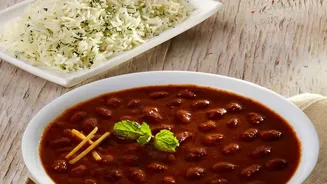
For years, vegetarians were told to meticulously combine foods at every meal—like rice and beans—to form a "complete protein" that contains all nine essential amino acids. While it's true that some plant proteins are 'incomplete' on their own, the modern nutritional consensus is that this intense micro-management is unnecessary. Your body is smart enough to create a pool of amino acids from the various foods you eat throughout the day. As long as you consume a wide variety of protein sources—legumes, grains, nuts, and seeds—your body will get everything it needs.
Easy Ways to Boost Your Meals
Incorporating more protein doesn't require a radical diet overhaul. It's about making small, strategic additions. Start your day with Greek yogurt or a tofu scramble. When making a salad for lunch, toss in a cup of chickpeas or some shelled edamame. If you’re having pasta for dinner, use a lentil-based pasta or stir in some white beans. Snacking on a handful of almonds or adding hemp seeds to your smoothie are other effortless ways to up your intake. By viewing protein not as an afterthought but as an integral part of your plate, you ensure your vegetarian lifestyle is as strong and satisfying as it is wholesome.