


What Exactly Is Tai Chi?
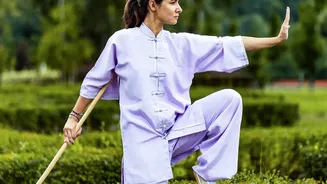
Often described as 'meditation in motion,' Tai Chi is an ancient Chinese practice that is now followed across the world for its health benefits. While its roots are in the martial arts, it is primarily practised today as a form of mindful exercise. It
involves a series of slow, focused movements accompanied by deep breathing, creating a state of relaxed awareness. Unlike high-impact workouts, Tai Chi is gentle on the body, making it accessible to almost anyone, regardless of age or physical condition. The core idea is to flow continuously from one posture to the next, promoting a sense of harmony between mind and body.
The Power of Slow, Precise Movement
The magic of Tai Chi lies in its slowness. In our daily lives, we often rush through tasks, our minds juggling multiple thoughts at once. Tai Chi forces a mental reset. To perform the movements correctly, you must concentrate on the details of each posture and the sensation of your body moving through space. This intense focus on the present moment doesn't leave much room for worrying about deadlines or daily stressors. By giving your mind a specific, positive task—like focusing on breath and alignment—it provides a gentle escape from negative or anxious thought patterns, helping to burn off negative energy and rebalance your internal state.
More Than Just Physical Exercise
While it provides a physical workout, the most profound benefits of Tai Chi are often mental and emotional. Studies have shown that regular practice can help decrease stress, anxiety, and depression. This is because the practice encourages a state of mindfulness, where you become an observer of your thoughts and feelings without judgment. This meditative aspect can help regulate the body's stress response, potentially lowering levels of stress hormones like cortisol. Practitioners often report an improved mood, a greater sense of inner peace, and enhanced mental clarity that extends beyond their practice sessions and into their everyday lives.
A Gentle Path to Physical Well-Being
The mental benefits are matched by significant physical rewards. Tai Chi is particularly celebrated for its ability to improve balance and prevent falls, especially in older adults. The slow, deliberate weight shifts strengthen the legs and improve proprioception—your body's awareness of its position in space. Regular practice also enhances flexibility, joint mobility, and can gently build lean muscle strength over time. Because it is a low-impact exercise, it is often recommended for people with conditions like arthritis or for those recovering from surgery, as it exercises the body without straining the joints.
Getting Started with Tai Chi in India
The beauty of Tai Chi is its simplicity in starting. In many Indian cities, you can find classes in public parks, community centres, or dedicated wellness studios. An instructor can provide crucial feedback on your form and posture, ensuring you get the most out of the practice. For those who prefer to start at home, there are numerous online videos and tutorials available. The key is to begin with a forgiving mindset. The goal isn't perfection, but presence. Start with short sessions, perhaps just 15-20 minutes a day, and focus on the feeling of the movements rather than perfect execution.