





An Engineering Dream on the Coast
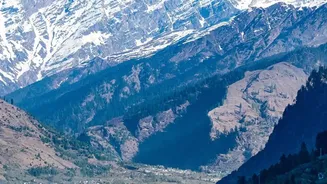
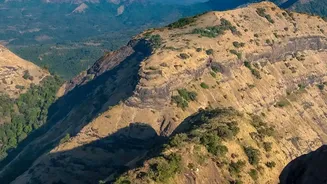
The Konkan Railway is not merely a train route; it's a testament to engineering ambition. For decades, a direct coastal rail link between Mumbai and Mangaluru was considered too formidable a challenge. The Western Ghats, with their rugged, landslide-prone
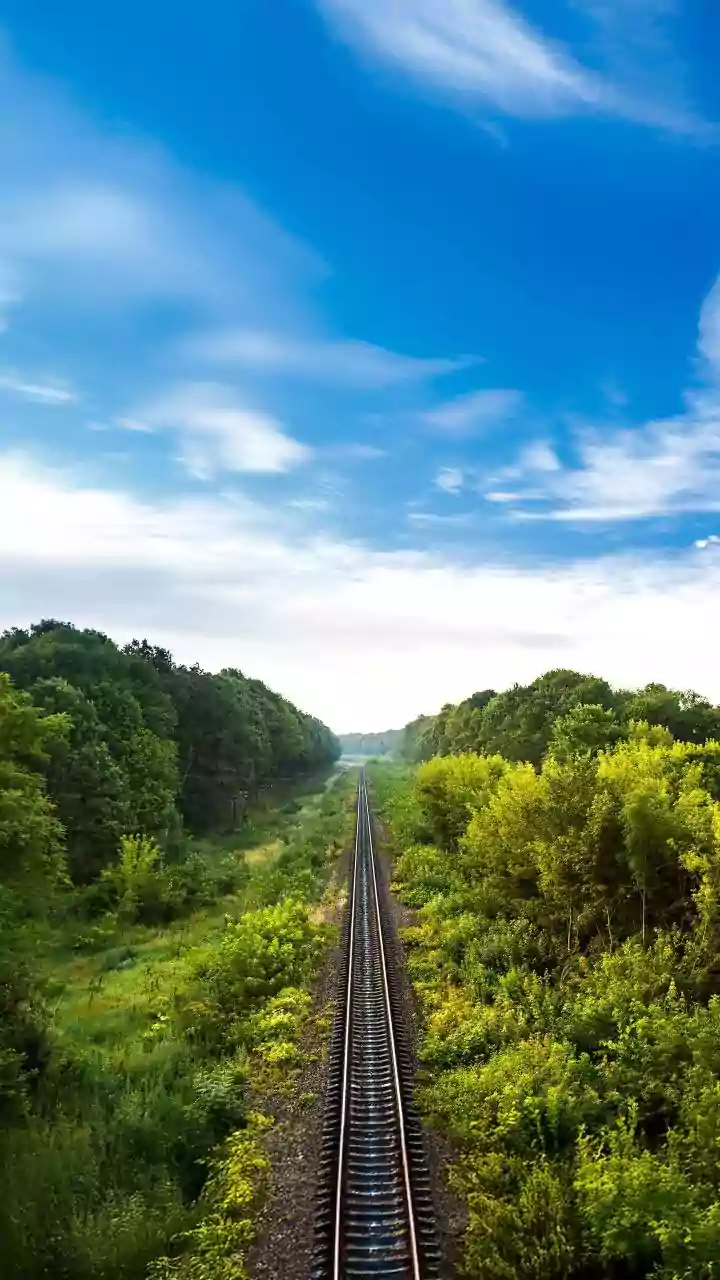
terrain and torrential monsoons, stood in the way. The project, when finally undertaken, was one of post-independence India's most demanding. Stretching approximately 741 kilometres across Maharashtra, Goa, and Karnataka, the line required the construction of over 2,000 bridges and more than 90 tunnels. Inaugurated in 1998 after just eight years of intense work, it slashed travel times and connected communities, but its greatest legacy is the journey itself—a curated documentary of the Konkan coast's staggering beauty.
Crossing Gorges on Sky-High Viaducts
The bridges of the Konkan Railway are its most visible and breathtaking feats. The line crosses countless rivers and deep valleys, requiring structures that are both strong and elegant. The most iconic of these is the Panvalnadi bridge in Maharashtra, near Ratnagiri. For a time, it was the tallest bridge in India, with its highest pier rising 64 metres from the riverbed below. As the train glides across its 424-metre span, passengers are treated to a dizzying, panoramic view of the valley. This viaduct was a pioneer in construction, being the first in India to use an incremental launching technique, a method that allowed engineers to build the bridge efficiently despite the treacherous gorge. Other major bridges, like those over the Sharavati and Zuari rivers, offer equally stunning perspectives, making these crossings highlights of the trip.
Through Darkness and Verdant Light
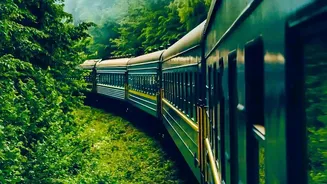
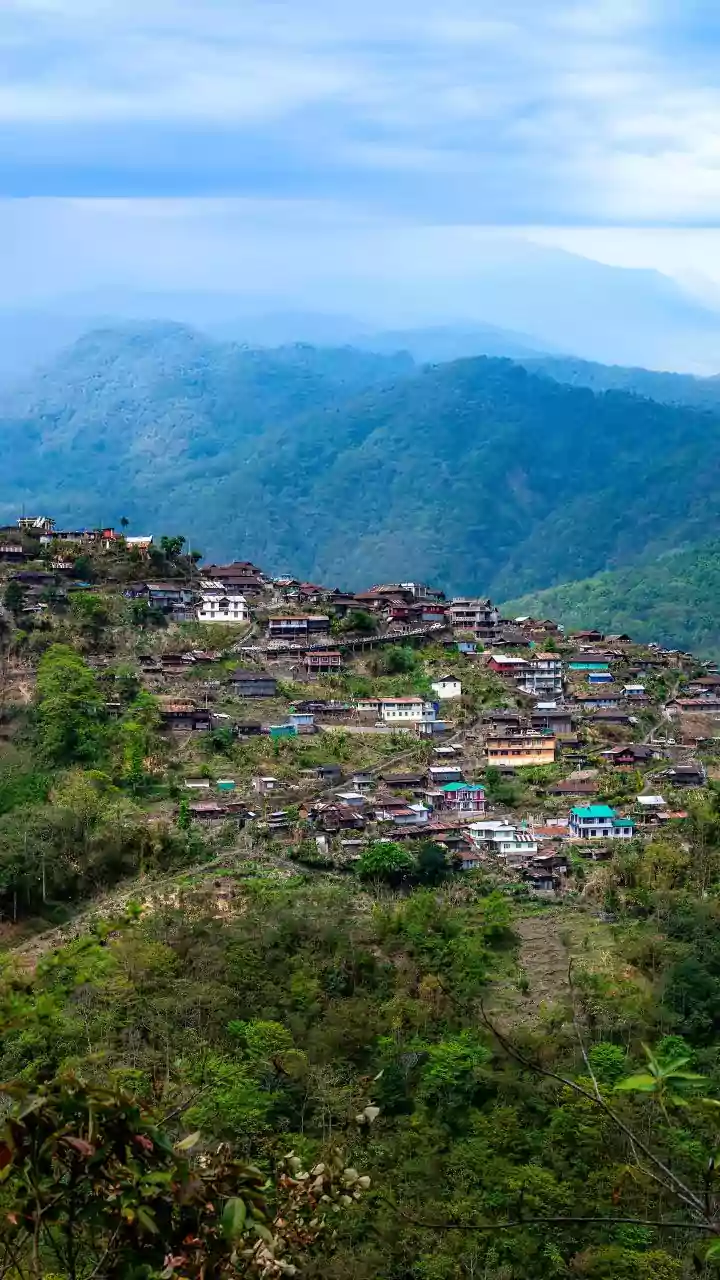
What truly defines the rhythm of a Konkan Railway journey is the constant interplay between darkness and light. The route features 91 tunnels, burrowing through the hard rock of the Sahyadri mountains. The experience of plunging into a tunnel, the world outside vanishing completely, only to emerge seconds or minutes later into a landscape of vibrant green, is a core part of its magic. The longest of these is the Karbude Tunnel, which stretches for 6.5 kilometres. Before the construction of the Pir Panjal tunnel, Karbude held the title of India's longest railway tunnel. The journey through these passages creates a staccato rhythm, with each new exit revealing a different postcard-perfect scene: a hidden waterfall, a village nestled in a valley, or a sweeping view of paddy fields.
A Monsoon Spectacle
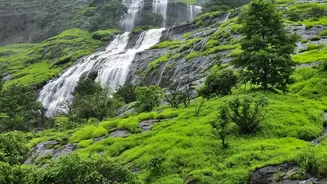
While the journey is beautiful year-round, it achieves a different level of splendour during the monsoon season from June to September. The rains transform the Konkan coast into an emerald paradise. The dry hills become cloaked in lush vegetation, and hundreds of temporary waterfalls cascade down the cliffs, some so close you feel you could almost touch them from the window. The landscape becomes a moving tapestry of mist, low-hanging clouds, and brilliant greens. The railway operates a special monsoon timetable for safety, but for travellers, this season offers the most dramatic and memorable views, turning a simple train ride into an immersive natural spectacle. The combination of the rain-washed scenery and a hot cup of tea from a station vendor is an experience many travellers cherish.