





At first glance, the serene, flowing movements of yoga and the sharp, powerful act of archery seem worlds apart. Yet, both ancient disciplines are praised for one core benefit: a profound ability to cultivate deep concentration.
The Internal Landscape of Focus
Yoga builds concentration
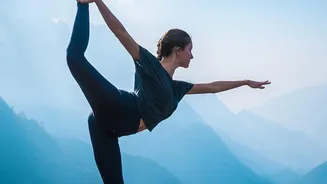
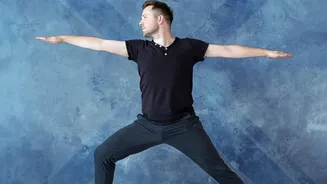
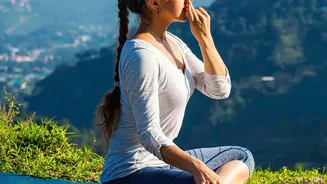
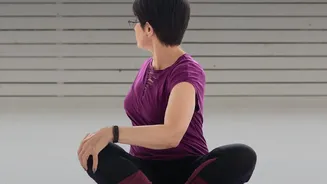
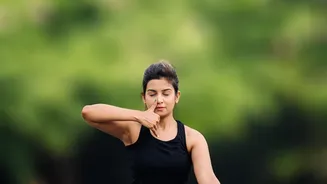
from the inside out. The practice is anchored in what ancient texts call 'dharana', or the act of holding your focus on a single point. This isn't about staring at a spot on the wall, but about directing your awareness inward. During asanas (postures), the focus might be on the rhythm of your breath, the sensation of a muscle stretching, or maintaining your balance in a challenging pose like Tree Pose. This practice trains the mind to quiet the constant internal chatter and remain anchored in the present moment. The goal is not to achieve a perfect pose but to maintain a steady, non-judgmental awareness of your body and mind. This creates a form of moving meditation, strengthening mental endurance and emotional resilience.
The External Point of Precision
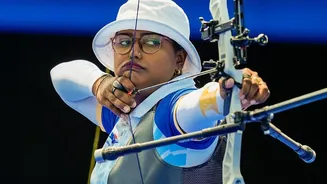
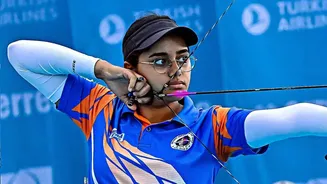
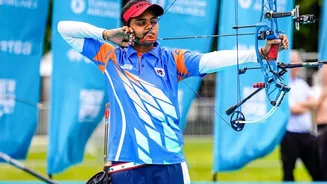
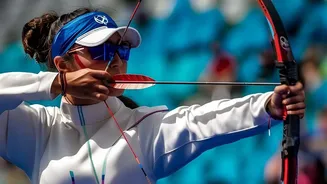
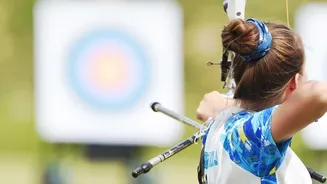
Archery, in contrast, cultivates an intense, external focus. The entire sport revolves around a clear, singular objective: hitting the target. This demands an exceptional level of concentration to block out all distractions—the weather, background noise, and internal anxieties. Archers describe entering a state of 'flow' or a 'bubble' where nothing exists but the body, the bow, and the path of the arrow. The process is repetitive and methodical, involving a mental checklist for every shot: stance, grip, draw, anchor, and release. This cycle isn't just physical; it's a powerful mental exercise in discipline, patience, and emotional control, as archers must learn to reset after a poor shot and approach the next one with a clear mind.
Posture vs. Stance: A Study in Stability
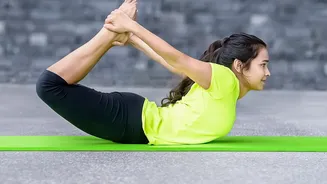
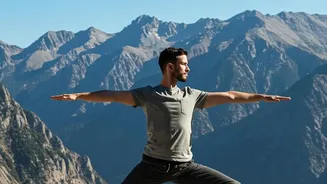
Both disciplines place a huge emphasis on physical form as a foundation for mental stillness. In yoga, postures flow into one another, building strength, flexibility, and body awareness. A pose like Archer's Pose (Akarna Dhanurasana) directly mimics the physical act of drawing a bow, improving hip mobility and core strength. The stability comes from a dynamic balance held throughout the body. In archery, the focus is on creating a single, powerful, and perfectly repeatable stance. This static stability is the platform for the explosive energy of the shot. Drawing the bow engages muscles across the upper body, back, and core, requiring strength and control. While yoga develops fluid stability, archery perfects a rigid, grounded stability. Both teach a profound connection between mind and body, where physical alignment directly supports mental clarity.
Mindfulness vs. The Zone
The type of concentration you build also differs. Yoga fosters a state of broad, open mindfulness. You are aware of your breath, your body, and your surroundings simultaneously, accepting sensations without judgment. This is the path to dhyana, or effortless meditation, where focus becomes a sustained, tranquil state. Archery cultivates what athletes call 'the zone'—a state of hyper-focused, task-oriented concentration. It is a narrowing of awareness to achieve a specific outcome. While many archers find the repetitive process meditative, the focus itself is sharp and directed. Studies have even shown that yoga can improve the specific attentional networks in the brain that are crucial for archery performance, suggesting the two can be complementary.
Which Path Is Right for You?
Choosing between yoga and archery depends on your personal goals. If you are seeking to calm a racing mind, reduce stress, and develop a greater sense of internal awareness, yoga's inwardwardward facing practice might be the ideal path. It is a journey of self exploration where progress is measured in stillness and presence. If you are motivated by clear goals than tangible feedback than the thrill of honing a precise skill archery might be better fit It offers deep satisfaction of seeing your focus translate into direct result The confidence gained from hitting target can extend into other areas of life Ultimately one practice cultivates calm from within while other finds stillness by focusing on point without