



A Once-in-a-Century Spectacle
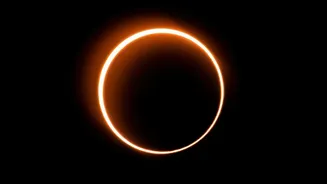
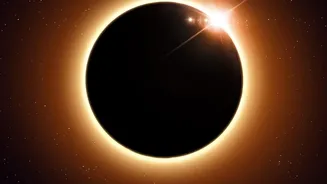
For the first time since 1905, a total solar eclipse will trace a path across mainland Spain. On the evening of August 12, 2026, the Moon will pass directly in front of the Sun, casting its dark central shadow, or umbra, over a narrow band of the country.
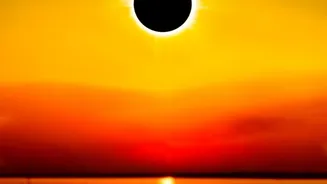
The path of totality will sweep from the northern Atlantic coast near A Coruña, across cities like Bilbao and Zaragoza, and end over the Balearic Islands in the Mediterranean. While many parts of Europe, Africa, and North America will see a partial eclipse, only those within this specific path will experience the dramatic daytime darkness of totality. What makes this event exceptionally rare is its timing: the moment of total eclipse will happen very low in the western sky, just minutes before the sun is scheduled to set.
Explaining the Double Twilight
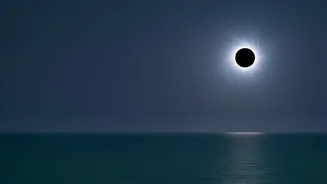
So, what exactly is a double-twilight experience? It’s the beautiful collision of two different ways the sky grows dark. Normally, sunset is a gradual process. After the Sun dips below the horizon, it continues to light up the upper atmosphere, creating the soft glow we call twilight. A total solar eclipse, however, brings a much faster, more dramatic dimming. As the Moon’s shadow rushes in, the sky darkens with an eerie, metallic quality that is unlike a normal sunset. On August 12, 2026, these two events will overlap. First, the sky will darken rapidly as the eclipse reaches totality. For a brief period, observers will be plunged into an unnatural twilight. Then, as totality ends, daylight will briefly return, only for the normal, natural twilight of the actual sunset to begin. This sequence—a false twilight from the eclipse, a brief return of light, and the true twilight of sunset—creates the memorable "double-twilight" effect.
A Symphony of Light and Colour
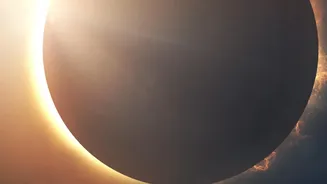
For those positioned along the path of totality in Spain, the visual experience promises to be unforgettable. Because the Sun will be so low on the horizon, its magnificent outer atmosphere, the corona, may appear with a stunning orange or reddish hue, coloured by the same atmospheric effects that make sunsets appear red. Instead of the sky simply going dark overhead, observers will be treated to what is often called a 360-degree sunset. The entire horizon around them will glow with the colours of sunset, even while the sky directly above is dark enough to reveal stars and planets. The combination of the eclipsed Sun hanging low over the landscape and the surrounding twilight glow will create a scene of profound and otherworldly beauty, a dream for photographers and sky-watchers alike.
Why This Eclipse Is So Special
Total solar eclipses are already rare for any given location, but having one occur at sunset is an even more special alignment. This event offers a unique scientific and aesthetic opportunity. The low angle of the Sun means its light passes through more of Earth's atmosphere, which can affect the appearance of the corona and other eclipse phenomena. The timing also coincides with the peak of the annual Perseid meteor shower, raising the tantalizing possibility for incredibly lucky observers to see a bright meteor streak across the sky during the brief darkness of totality. This convergence of celestial events—a total eclipse, a sunset, and a meteor shower peak—makes the 2026 Spanish eclipse one of the most anticipated astronomical events of the decade.