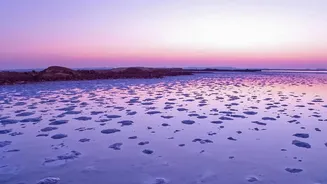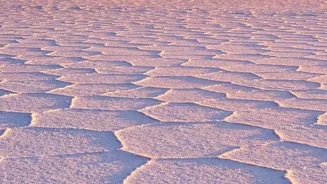



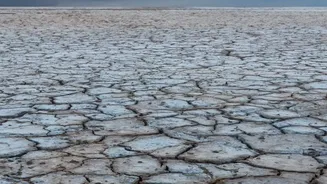
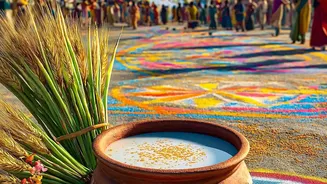
Each winter, the vast, empty salt desert of the Great Rann of Kutch transforms into a spectacle of colour, music, and culture. The Rann Utsav is a celebration of life in the desert, where Gujarat’s heritage comes alive under the open sky.
The White Desert Comes Alive
Imagine an endless
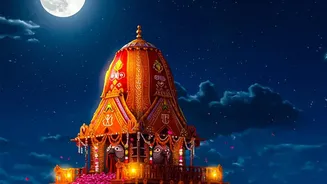
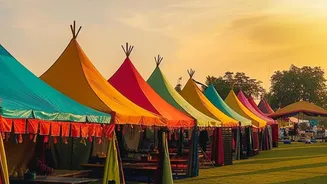
expanse of white salt shimmering under the moonlight, dotted with hundreds of luxurious tents. This is the heart of Rann Utsav, a festival held in the village of Dhordo from November to March. For the 2026-27 season, the festival is scheduled from 1 November 2026 to 7 March 2027, offering a unique blend of natural wonder and cultural immersion. The Rann Utsav Tent City becomes a bustling hub with restaurants, activity zones, and stages for performances. While any time during these months is ideal, the full moon nights are especially magical, as the white desert glows, creating a surreal landscape that draws visitors from around the world. These dates see high demand, so booking well in advance is recommended.
A Tapestry of Kutchi Handicrafts
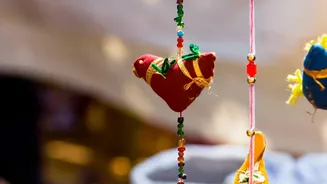
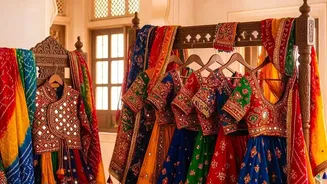
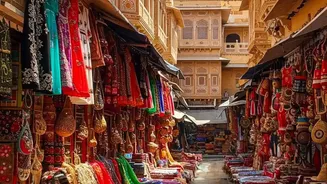
Kutch is one of India's richest regions for handicrafts, and the Utsav provides a fantastic platform for local artisans. The craft bazaars within the Tent City are a treasure trove of handmade goods, often sold by the artisans themselves. Look for exquisite Kutch embroidery, famous for its intricate threadwork and mirror embellishments that adorn garments, bags, and home decor. Another highlight is Ajrakh, a traditional block-printing technique that uses natural dyes to create complex geometric and floral patterns. You'll also find vibrant Bandhani tie-dye textiles, rare Rogan art painted on fabric, and beautifully crafted leather goods. Exploring these stalls is not just about shopping; it's a chance to witness generations of artistic heritage up close.
The Rhythmic Heartbeat of Kutch
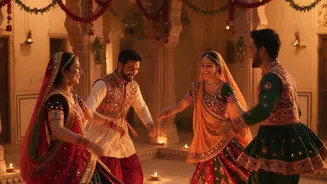
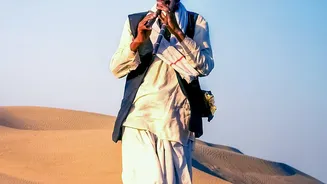
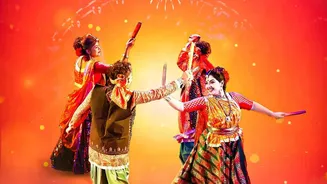
Evenings at Rann Utsav are a feast for the senses, filled with the sounds and sights of Kutchi folk traditions. As the sun sets, the main cultural stage comes alive with performances that tell the stories of the region. You can experience the joyous and energetic Garba and Dandiya Raas, where dancers in colourful traditional attire create a mesmerising spectacle. The soulful folk music of communities like the Mir and Meghwal, with instruments like the surabhi ghada and jantar, fills the cool desert air. Other performances often include traditional puppet shows (Kathputli) that narrate ancient tales and the astonishing Bhavai dance, where performers balance stacks of pots on their heads.
Beyond the Festival Grounds
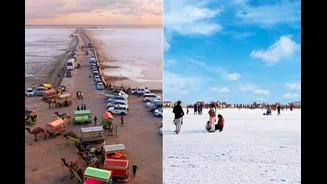
While the Tent City is the centre of the action, the experience extends into the surrounding landscape. A camel cart ride onto the White Rann to witness the sunrise or sunset is an essential experience. For the more adventurous, activities like ATV rides and paramotoring offer a different perspective of the vast salt flats. A short trip to Kala Dungar (Black Hill), the highest point in Kutch, offers a breathtaking panoramic view of the entire desert. Many visitors also take day trips to nearby craft villages like Bhujodi, known for its weavers, and Ajrakhpur, to see artisans at work in their own environment.
Planning Your Desert Sojourn
Getting to Rann Utsav starts with reaching Bhuj, the nearest major town with an airport and railway station, located about 85 km from the Tent City in Dhordo. From Bhuj, it's a road journey to the festival site. Accommodation is primarily in the Tent City, which offers various packages for one, two, or threendays stays in different categories of tents, from non-AC cottages to luxurious suites. These packages typically include meals, transfers from Bhuj, and guided excursions to the White Rann. It’s essential to carry a valid ID, as permits are required to enter the White Rann area. Remember to pack warm clothing, as desert nights can be quite cold, along with sun protection for the daytime.