





Japan’s Plan for a ‘Backup’ Capital
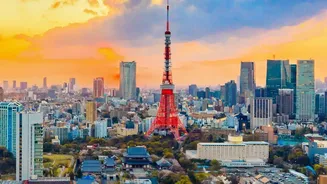
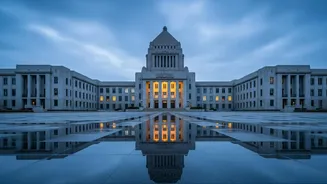
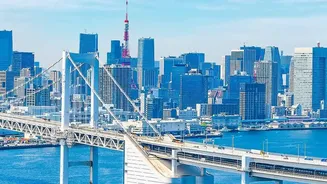
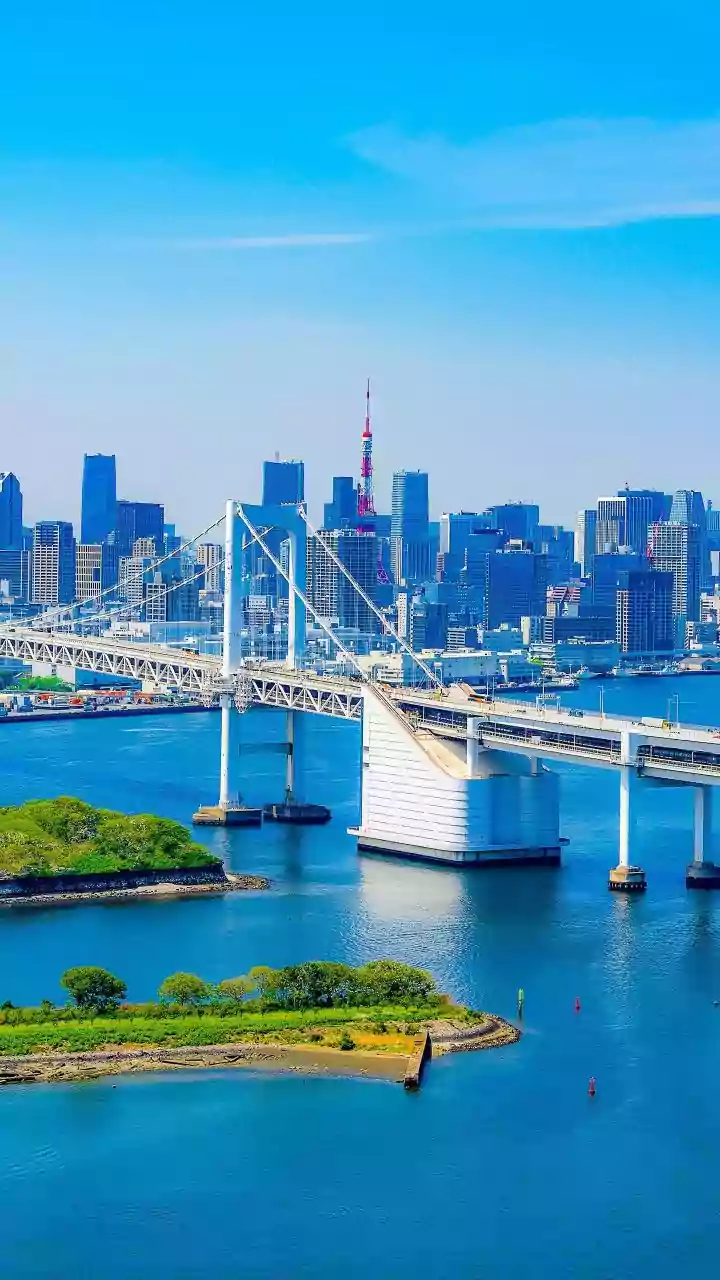
For decades, Japan has debated the risks of concentrating all its critical functions in Tokyo. This conversation took a decisive step forward in July 2026, when the Japanese parliament, the Diet, passed a law to establish a framework for a 'second capital'.
This is not about abandoning Tokyo. Instead, the plan is to designate one or more existing cities as official backup locations. These cities would be equipped to take over essential government, administrative, and economic functions if a major catastrophe were to incapacitate Tokyo. The new law requires the government to formulate a basic policy within a year to determine how this will work, turning a long-discussed idea into a national project.
The Drivers: Earthquakes and Overcrowding
The primary motivation behind this move is existential: disaster preparedness. Government estimates warn of a 70% probability that a massive, magnitude-7 earthquake will strike the Tokyo metropolitan area within the next 30 years. Such an event could sever lines of command, cripple the economy, and bring the nation to a standstill. Beyond this stark threat, there is the problem of 'excessive concentration'. The Greater Tokyo area is home to nearly 30% of Japan’s population and more than half of its major companies. This hyper-centralization creates immense pressure on infrastructure and housing while leaving other regions behind. The second-capital initiative is therefore seen as a dual-purpose strategy: to build resilience against disaster and to foster more balanced economic development across the country.
India’s Own Capital Conundrum
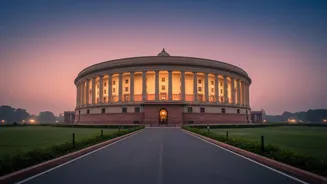
The challenges facing Tokyo are not entirely unfamiliar to India. New Delhi grapples with its own immense pressures, from extreme pollution and overpopulation to strategic security concerns. The idea of decentralizing power is a recurring theme in Indian discourse. The most prominent recent example comes from Andhra Pradesh, which proposed a three-capital model: a legislative capital in Amaravati, an executive capital in Visakhapatnam, and a judicial capital in Kurnool. The stated goal was balanced, inclusive development across the state’s distinct regions. At the national level, too, figures like Dr. B.R. Ambedkar have historically suggested a second capital like Hyderabad, while others have argued for rotating Parliament sessions across the country to bring governance closer to the people.
Lesson 1: Decentralize Functions, Not Just Cities
Perhaps the most important lesson from Japan’s experience is the focus on decentralizing functions rather than building a single, new capital city from scratch. Japan’s law is not about creating another Tokyo, but about ensuring that specific, vital operations have a fallback location. This is a pragmatic and more achievable goal. Similarly, the Andhra Pradesh model, though politically contentious, is based on the same principle of distributing different branches of government. For India, this suggests that instead of debating the massive cost of a single new capital, a more effective strategy could be to identify and relocate specific central government agencies, judicial benches, or parliamentary committees to other cities, thereby distributing risk and stimulating regional economies.
Lesson 2: Use Risk as a Catalyst for Reform
Japan has successfully used the very real threat of earthquakes to build the political will for a major governance reform. It has translated a long-term risk into immediate policy action. India, too, faces its own set of pressing risks. The national capital region lies in a high-risk seismic zone, and is also vulnerable to climate change impacts and other security threats. These vulnerabilities could be framed not just as problems to be managed, but as compelling reasons to pursue strategic decentralization. By creating redundancy in its governance infrastructure, India can enhance its national security and ensure continuity in a crisis, much like Japan aims to do.
Lesson 3: Acknowledge the Political Challenges
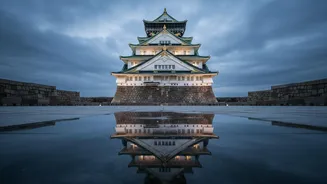
Japan’s plan, while logical, is not without controversy. The law passed by a narrow margin, and critics argue it is designed to politically benefit Osaka, the home base of a key coalition partner in the government. This provides a crucial cautionary tale. In a country as politically diverse and federally structured as India, any proposal to shift or distribute capital functions would ignite intense competition and debate among states and regions. The Japanese experience shows that even with a clear and present danger motivating the policy, the political path is fraught with difficulty. Successfully navigating this would require building a broad consensus that transcends partisan interests and focuses on the long-term national good.